Want to attract those shimmering, magical hummingbirds to your yard? Creating a haven for these tiny acrobats is easier than you think, and it doesn’t require expensive gear.

The Camera Feeder We Use In Our Own Backyard
See Today's PriceIt’s about understanding what they crave: the right colors, the perfect flowers, and a clean place to eat. But be careful—one common homemade nectar mistake could actually harm them.
Save this article for later so you don't lose it. Enter your email and I'll send it to you now—plus you'll get my favorite backyard birding tips delivered to your inbox.
Read on to learn how to create a hummingbird paradise the safe and simple way.
Plant Red Tubular Flowers for Nectar

Second, plant native flowers that bloom in shades of red, pink, or orange. Hummingbirds are particularly drawn to tubular flowers that they can hover over while sipping nectar.
Good choices for New Mexico gardens include bee balm, cardinal flower, and trumpet honeysuckle. While hummingbirds have greater sensitivity to colors like red and orange, there’s really no color that hummingbirds “don’t like.” Even the least colorful flowers like white ones will attract hummingbirds if they can provide them with nectar.
Mix Four Parts Water to One Part White Sugar

To make hummingbird nectar, simply mix four parts water with one part sugar. That’s it!
No need to add any food coloring or other ingredients. Be sure to use regular white table sugar, as brown sugar or honey can cause problems for the birds.
The Audubon Society’s basic hummingbird nectar recipe is the standard: bring 1 cup of tap water to a boil on the stove. Mix in ¼ cup of regular white sugar and stir until dissolved.
Let it cool completely before you put it in your clean feeder.
Trumpet Vine Climbs 30 Feet

The trumpet vine, Campsis radicans, is also known as the hummingbird vine or trumpet creeper. It is a perennial deciduous woody vine native to North America that is also found in scattered locations in both Europe and South America.
Typically, it grows up to 30 feet high, climbing the trunks of trees, power poles, and other supporting structures. It is common in woodlands, especially along woodland edges or creeks and streams where sunlight reaches the ground.
It is easily recognized by its showy, typically red-orange trumpet-shaped flowers.
Get our free Hummingbird Attraction Guide! Plus, we'll send you our best tips for attracting more birds to your yard.
Hang Feeders Within 3 Feet of a Window

There is a “sweet spot” for placing feeders near windows, though. If the feeder is very close to the window, birds departing your feeder won’t be able to obtain much speed.
If they hit the window, they won’t be flying very fast when it happens! A feeder that is within 3 feet of your window is safer than one that is 5 or 6 feet away.
Add a Mister or Dripper Over the Bath
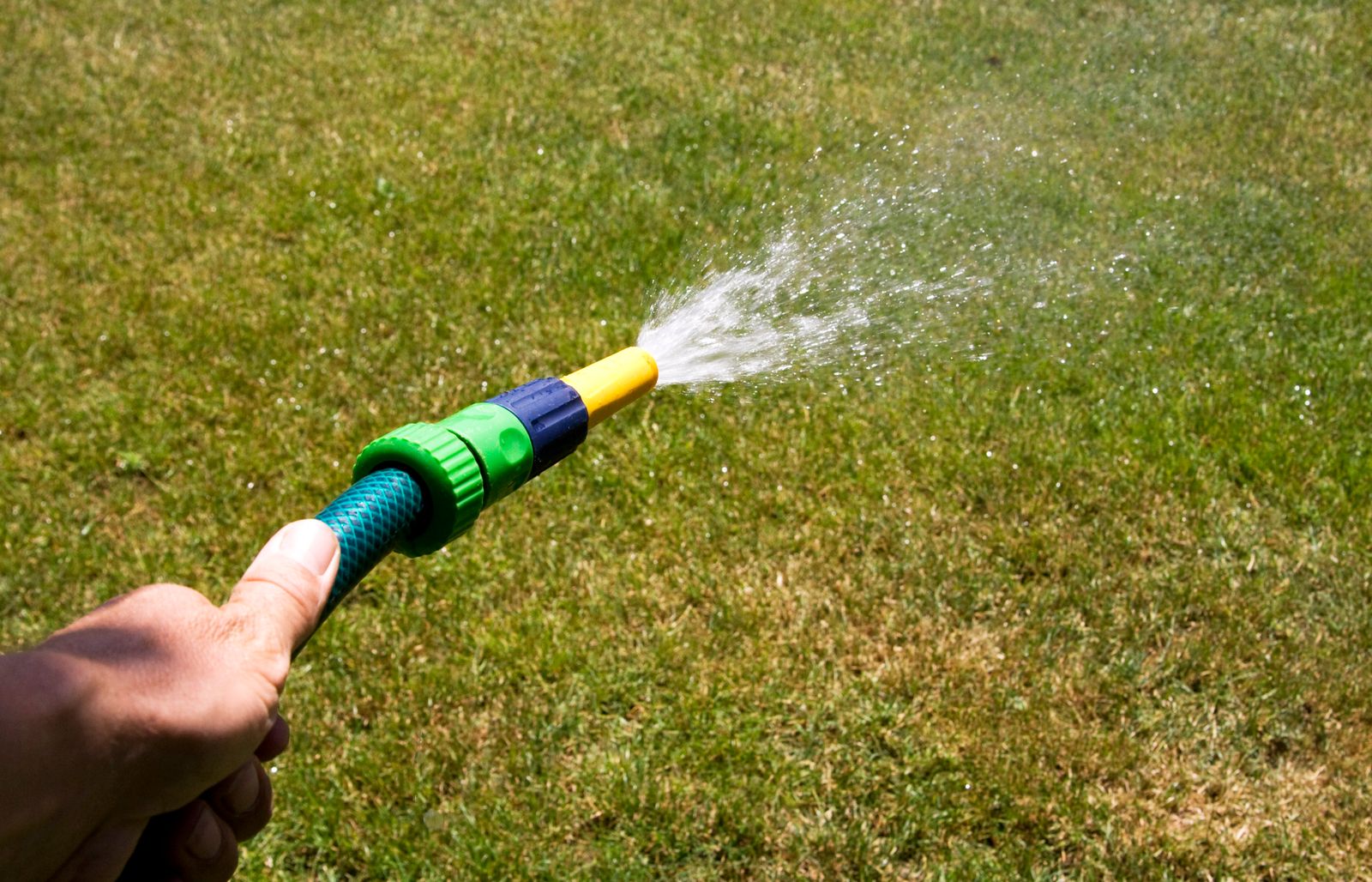
Other than wet leaves, hummingbirds also enjoy a dripper or mister placed over a birdbath. A dripper or mister can be purchased or rigged up with a garden hose.
Others, such as the hummingbird, like to skim over the water. But if you provide a mister or dripper, they can enjoy what they like best, swooping through the falling water.
Give Hummingbirds a Small Shallow Bath

There are specific bird baths available for hummingbirds. They will use any bath that is small and very shallow.
Some feeders are even two-in-one, like this ACNOKKI Bird Bath and Bird Feeder
Salvias That Bloom All Season Long

Red salvias are the workhorses of any hummingbird garden. They are tough, drought-tolerant, and produce spikes of nectar-rich, tubular flowers from spring until the first frost.
Their incredible reliability makes them the neighborhood diner that hummingbirds count on all season long, especially when other flowers have faded.
Change Nectar Often and Wash the Feeder

To prevent spoilage, change the nectar every 2-3 days, or even more frequently in hot weather. Rinse feeders thoroughly before refilling.
When it’s time to clean the feeder, use a water and vinegar solution periodically to fully disinfect the feeders. It’s essential to keep your feeders freshly stocked and well-cleaned throughout the hummingbird season.
Thoroughly clean feeders every day when the weather is hot and every other day at most.
A Patch of “Organized Chaos”

A perfectly manicured garden can be a food desert. Let a corner of your yard go a little wild with native wildflowers.
These plants evolved alongside your local hummingbirds and provide the perfect nectar at the right time. What looks like beautiful chaos is actually a sophisticated, self-sustaining ecosystem that provides food and shelter.
Replace Nectar Often and Size the Feeder
1. Why shouldn’t I use red dye in my hummingbird nectar?
Use hummingbird feeders with your own homemade nectar solution: four parts water to one part sugar. Don’t use red dye, as there are concerns regarding the safety of red food coloring.
Replace the solution every 3-5 days. You may need to replace the sugar water more frequently during hot weather.
To prevent spoilage, nectar in feeders should be replaced every 2-3 days, or more frequently in hotter conditions. Always thoroughly rinse hummingbird feeders before refilling to keep the nectar fresh.
With the right feeder and fresh nectar, you can successfully draw hummingbirds to your garden. The size of your hummingbird feeder should be based on how many hummingbirds you have visiting your yard and how frequently you will be replacing the nectar water.
2. How do I keep ants and bees away from my feeder?
3. Do hummingbirds eat anything besides nectar?
4. When should I put my feeders out and when should I take them down?
5. I put up a feeder, but no hummingbirds have come. What’s wrong?
What hummingbirds want in the yard
| Spec | What our writers say |
|---|---|
| Flower colors | Plant native flowers that bloom in red, pink, or orange; they are particularly drawn to tubular flowers they can hover over |
| New Mexico plants | Bee balm, cardinal flower, and trumpet honeysuckle are good choices for New Mexico gardens |
| White flowers | Even white flowers attract hummingbirds if they provide nectar; there is no color they “don’t like” |
| Nectar ratio | Mix four parts water with one part regular white table sugar. Skip food coloring, brown sugar, and honey |
| Audubon recipe | Boil 1 cup of tap water, stir in ¼ cup of regular white sugar until dissolved, and cool completely before filling a clean feeder |
| Trumpet vine | Campsis radicans (hummingbird vine or trumpet creeper) is a North American woody vine that climbs up to 30 feet and has red-orange trumpet-shaped flowers |
| Window distance | A feeder within 3 feet of a window is safer than one 5 or 6 feet away, because departing birds cannot pick up much speed |
| Mister or dripper | A dripper or mister over a birdbath — store-bought or rigged from a garden hose — lets them swoop through falling water |
| Bath size | They will use any bath that is small and very shallow |
| Replace nectar | Replace nectar every 2–3 days, or every 3–5 days; do it more often in hot weather and rinse thoroughly before refilling |
| Hot-weather cleaning | Clean feeders every day when it is hot and every other day at most; use a water and vinegar solution periodically to disinfect |
| Red dye | Don’t use red dye; there are concerns about the safety of red food coloring |
📷 Show us your feeder setup! Share a few photos of your feeders and you might be featured on Wild Bird Scoop. Share your setup →