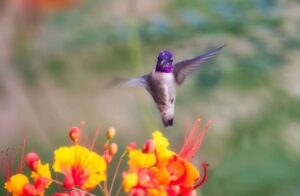
Hummingbirds are very active and social. During the summer, they come to your backyard every day.

The Camera Feeder We Use In Our Own Backyard
See Today's PriceYou can spend time looking at the little amazing birds that are flying around your backyard and enjoying the hummingbird feeders. Remember that those little birds are almost just as hot as you, so you must make sure that you keep your sugar water feeder filled and fresh!
Save this article for later so you don't lose it. Enter your email and I'll send it to you now—plus you'll get my favorite backyard birding tips delivered to your inbox.
You must adjust your care to the little birds based on how hot it is.
With the sun beating down on nectar, it can spoil faster than you might think. However, it is simple to keep your backyard visitors safe once you know when to change out the nectar.
The Exact Timeline for Warm Weather Refills
Clean your windows thoroughly before installing suction cup feeders – dirty glass is the main reason suction cups fail. Use warm water on both the window and suction cups for better adhesion, especially in cold weather.
Press firmly for several seconds when attaching. Clean feeders weekly with hot water and a bottle brush to prevent mold and bacteria buildup.
Replace nectar every 3-5 days in cool weather, every 1-2 days when temperatures exceed 80°F.
You might only need to change the food in your feeder once a week or so when it is cooler, perhaps even every 10 days in some areas. But mostly, you will have to change it more frequently – especially in warmer weather and when a feeder is placed in full sun.
| High Temperature (°F) | When to Refill Nectar |
|---|---|
| 70°F to 80°F | Every 3 to 4 days |
| 81°F to 89°F | Every 2 to 3 days |
| 90°F to 95°F | Every 2 days |
| 96°F and above | Every single day |
Why Nectar Spoils Faster in the Heat
Make sure your feeders are sparkling clean. During the summer, this might mean putting out a clean feeder every day.
Get our free Hummingbird Attraction Guide! Plus, we'll send you our best tips for attracting more birds to your yard.
Fresh sugar water solution spoils rapidly in the heat, causing mold and bacteria that can kill hummingbirds. If the nectar is cloudy, it’s spoiled–take it down immediately!
Signs It Is Time to Empty the Feeder
Several things can cause hummingbird nectar to spoil. The biggest culprits are molds, bacteria, and fungi.
You can often spot spoiled, moldy nectar with just a glance. The sugar water solution may turn cloudy, or you may notice mold or mildew growth at the feeder’s base.
Another concern is the presence of dead bugs in the feeder. You would not want to eat from a dish full of dead insects, and neither do hummingbirds!
If you notice bugs have died in the reservoir or base of the feeder, it’s time to dispose of the unclean hummingbird nectar, clean out the feeder reservoir, and add fresh nectar.
- Cloudy water: Fresh nectar is supposed to be crystal clear. When it looks foggy, it has begun to ferment.
- Black spots: Look at the feeding ports and the glass for little black specks. This is mold.
- Floating debris in the liquid, such as white strings or clumps, indicates bacterial growth.
- A yeasty or sour smell indicates spoilage, so if your feeder smells like that when you open it, dispose of it immediately.
Hot Weather Feeder Tips
Over the hot summer months, it is important to help hummingbirds in your garden with a feeder filled with cool nectar and make sure there are plenty of shade areas to help them beat the heat. Hot water and sugar solutions aren’t likely to be super attractive to your yard’s hummers.
They may stop once to check it out, but it’s not likely you’ll see them at the feeder again if the nectar inside is steaming hot.
First, try moving your feeder to a spot that gets afternoon shade. Keeping the glass out of direct sunlight buys you a little extra time.
Second, only fill the feeder halfway. Since you are changing the nectar every day or two in the heat, a full feeder just wastes sugar.
Finally, give the feeder a quick scrub with hot water and a bottle brush every single time you refill it. Skipping the cleaning step will make your fresh batch of nectar spoil much faster.

Beserie Red Umbrella Bird Feeder Cover
Check PriceA Natural Backup Plan
Nectar: Nectar can come from two different places: flowers and feeders. Planting nectar-rich flowers is the best way to attract hummingbirds to your yard, but sugar water-filled feeders are a great backup plan.
Plants like cardinal flower, bee balm, and native salvias thrive in summer heat. Having a few of these in your yard means the birds will always have plenty to eat, even if you take your feeder down for a few days to take a break.
Enjoying Your Summer Visitors
Attracting hummingbirds to your yard can seem daunting and can be a little bit frustrating at times. However, with a couple of easy steps, you can increase your chances of enjoying these busy little birds throughout the summer months.
Warm-weather nectar refill times
| Spec | What our writers say |
|---|---|
| Cool weather | Replace nectar every 3-5 days |
| Over 80°F | Every 1-2 days |
| Cooler weeks | Once a week, maybe every 10 days |
| Full sun | Change more often |
| Cloudy nectar | Spoiled; take it down immediately |
| Heat risk | Mold and bacteria in spoiled sugar water can kill hummingbirds |
| Dead bugs in the reservoir | Dump it, clean, and refill |
| Hot nectar | They may check once and not come back |
| Shade | Keeps nectar cooler and helps them beat the heat |
| Backup | Nectar-rich flowers first; feeders as backup |
📷 Show us your feeder setup! Share a few photos of your feeders and you might be featured on Wild Bird Scoop. Share your setup →