Food Security Comes First
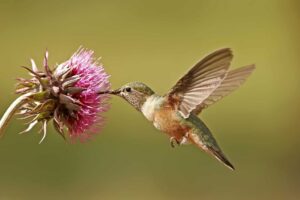
A reliable food foundation is the first thing a female hummingbird looks for. She needs an enormous amount of energy to build a nest, lay eggs, and feed her babies. You do not need fancy feeders to provide this. A basic, easy-to-clean nectar feeder works perfectly. Just mix one part plain white sugar with four parts water. Skip the red dye, as it is completely unnecessary and potentially harmful to the birds. Alongside your feeder, planting native tubular flowers gives her a natural food source that replenishes itself. Flowers like cardinal flower, bee balm, and trumpet honeysuckle are excellent choices that signal your yard is a rich food territory.
FEED GARDEN Glass Hummingbird Feeder 16oz
Check Price
We earn a commission if you make a purchase, at no additional cost to you. 10/7/2026 3:00 am GMT
The Secret Nesting Ingredient
This is the step most beginners miss. Female hummingbirds build tiny nests about the size of a walnut. To hold those nests together, they rely heavily on spider webs.
Safety and Shelter
Hummingbirds need safe places to rest. Flying requires a massive amount of energy, and they actually spend much of their day perched. They look for yards with a good mix of shrubs, small trees, and bare branches. A bare branch gives a hummingbird a clear view to watch for predators and guard her territory. At the same time, having dense bushes nearby gives her a safe place to dart into and hide if a larger bird flies over. A yard with only a flat lawn and a single feeder feels too exposed for a nesting female.Water for Bathing
Keeping feathers clean is vital for a hummingbird to fly efficiently. However, standard birdbaths are far too deep for them. They prefer moving water or very shallow puddles. A simple solar mister attached to a branch or a very shallow dish filled with a few pebbles is all you need. They love to fly through a gentle mist to wash up, and providing this simple water source makes your yard incredibly attractive.
ZOLOCHEL Solar Powered Glass Bird Fountain
Check Price
We earn a commission if you make a purchase, at no additional cost to you. 10/7/2026 3:11 am GMT
The Invisible Checklist
Now that you know what she is looking for, you can evaluate your own yard. Use this simple checklist to see if your garden is ready to be chosen.The Female Hummingbird Yard Checklist
- Clean Nectar Feeder: Filled with a simple 1-to-4 ratio of plain sugar and water.
- Native Tubular Flowers: At least a few blooming plants to provide natural nectar.
- Spider Webs: Left undisturbed in corners or bushes for nest building.
- Soft Plant Fibers: Dandelion fluff or similar soft materials available nearby.
- Safe Perches: Bare branches for guarding and dense shrubs for hiding.
- Shallow Water: A gentle mister or a pebble-filled shallow dish for safe bathing.
Patience is Key
Attracting hummingbirds does not require a massive budget or professional birding gear. It just takes a little patience and an understanding of what they need to survive. By checking off these simple items, you are turning your yard into a safe, welcoming haven. Keep your feeders clean, leave a few spider webs alone, and wait for the magic to happen.📷 Show us your feeder setup! Share a few photos of your feeders and you might be featured on Wild Bird Scoop. Share your setup →
Get our free Hummingbird Attraction Guide! Plus, we'll send you our best tips for attracting more birds to your yard.
Save this article for later so you don't lose it. Enter your email and I'll send it to you now—plus you'll get my favorite backyard birding tips delivered to your inbox.
OUR BACKYARD PICK

The Camera Feeder We Use In Our Own Backyard
See Today's Price
We earn a commission if you make a purchase, at no additional cost to you. 10/7/2026 10:00 am GMT