
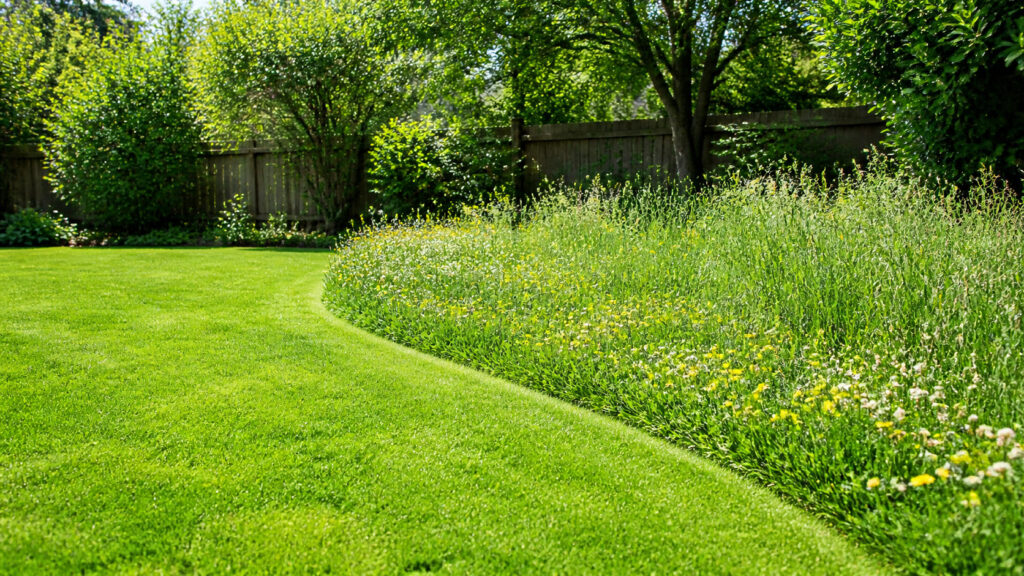

You might be gearing up to cut the grass this weekend. Before you fire up the mower, consider leaving just one corner of your yard completely untouched. This simple change is one of the easiest ways to invite hummingbirds and essential pollinators right to your backyard.

Bring Hummingbirds Right To Your Window!
Check PriceYou do not need expensive gear or a perfectly manicured garden to create a bird-friendly habitat. By simply mowing around a small patch instead of through it, you can instantly provide food and shelter for your favorite backyard visitors.
Save this article for later so you don't lose it. Enter your email and I'll send it to you now—plus you'll get my favorite backyard birding tips delivered to your inbox.
The Magic of the Unmowed Corner
When you let a patch of grass grow wild, you are creating a miniature ecosystem. Hummingbirds rely on nectar from your feeders, but they also need tiny insects for protein to feed their young. An unmowed corner provides a safe haven for gnats, aphids, and small spiders. Hummingbirds will dart into this tall grass to snatch up these bugs.
Furthermore, the native weeds that pop up in uncut grass offer natural nesting materials. Fluff from dandelions and wild thistles is exactly what hummingbirds use to weave their tiny nests together. Leaving a patch of grass to grow tall gives them a local hardware store for their nest-building needs.
Get our free Hummingbird Attraction Guide! Plus, we'll send you our best tips for attracting more birds to your yard.
Who Will Visit Your Mini-Meadow
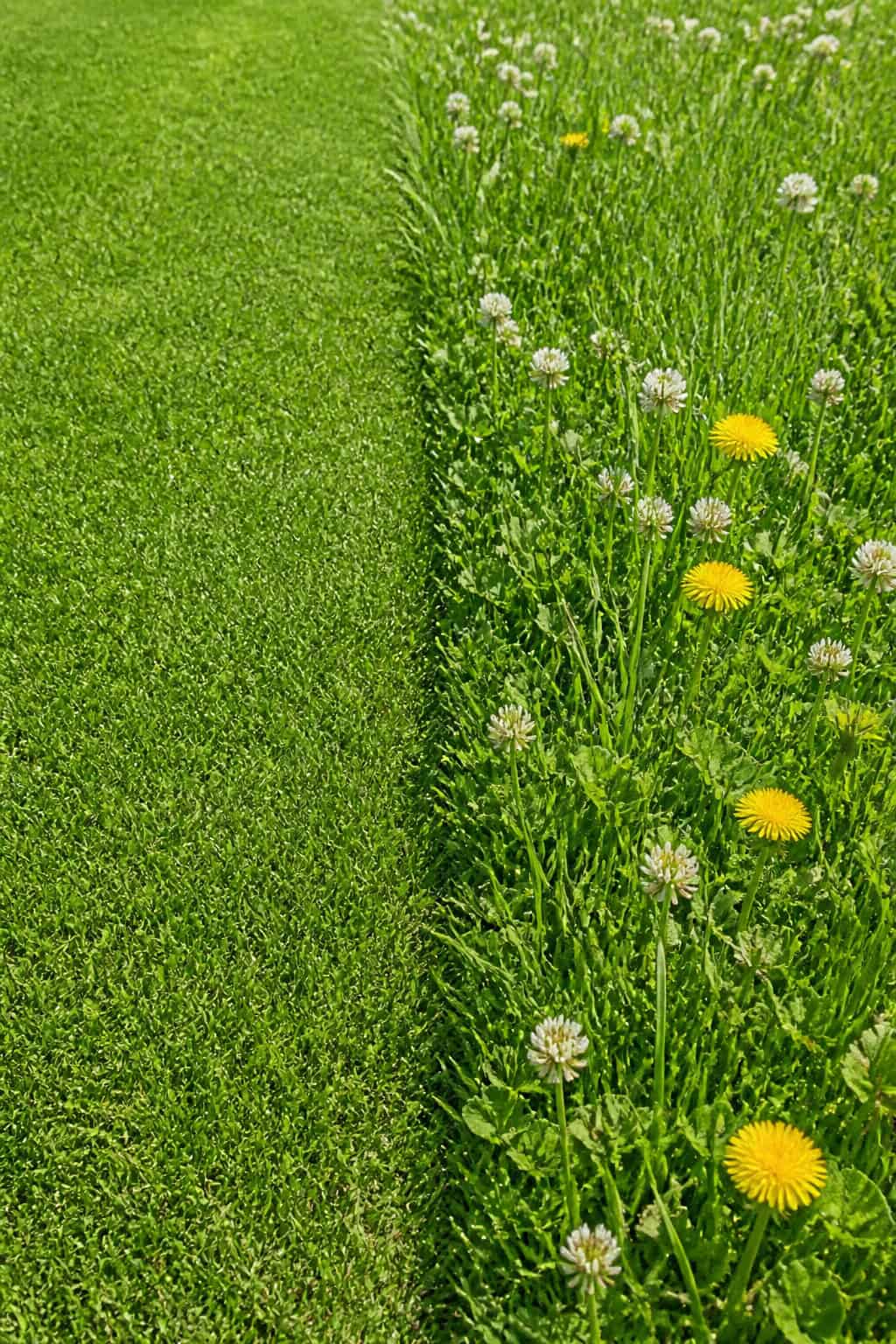
You might look at an unmowed patch and see weeds. Birds and pollinators see a buffet. Here is a quick guide to what will likely grow in your wild patch and the wildlife it will attract.
| Common Yard Plant | Insects Attracted | Birds That Benefit |
|---|---|---|
| Dandelions | Bees, small beetles | Hummingbirds (use fluff for nests), Goldfinches (eat seeds) |
| White Clover | Honeybees, butterflies | Sparrows, Juncos (forage for seeds and insects) |
| Native Grasses | Aphids, gnats, spiders | Hummingbirds (eat the insects), Wrens (hunt for bugs) |
| Wild Violets | Fritillary caterpillars | Towhees, Robins (forage for caterpillars) |
How to Choose Your Wild Corner
Picking the right spot is the secret to making this work. You want a space that helps the birds but does not get in the way of your weekend plans. Use this simple checklist to find the perfect location in your yard.
Wild Corner Checklist
- Pick a low-traffic area: Choose a back corner or a spot behind a shed where kids and pets rarely play.
- Look for partial to full sun: Most blooming yard plants like clover and dandelions need sunlight to produce nectar.
- Avoid property lines if possible: Keep your wild patch a few feet away from your neighbor’s fence to prevent seeds from spreading into their manicured lawn.
- Plan for a clean border: Make sure the spot is easy to maneuver your mower around in a smooth curve or straight line.
Keeping It Tidy
The biggest worry for first-time pollinator gardeners is that an unmowed patch will just look messy. The trick is to make the wild corner look intentional. You can do this by mowing a sharp, clean border right up to the edge of the tall grass.
A crisp line tells your neighbors that this is a planned garden feature rather than a forgotten chore. You can even place a simple birdbath or a nectar feeder near the edge of the tall grass to complete the look. This creates a beautiful transition from your tidy lawn to your bustling wildlife habitat.
Let Nature Take Over
This week, try parking the mower before you reach that final corner. Let the grass grow tall, watch the clover bloom, and hang a nectar feeder nearby. It takes zero effort to skip a section of lawn, but the reward of watching hummingbirds and butterflies discover their new favorite spot is absolutely priceless.
