When a blizzard rolls in, you might imagine birds flying hundreds of miles to escape the storm. But here’s the surprising truth: most birds don’t travel far at all.

The Camera Feeder We Use In Our Own Backyard
See Today's PriceInstead, they hunker down right in your neighborhood, using survival tactics that have kept their ancestors alive for millennia.
Save this article for later so you don't lose it. Enter your email and I'll send it to you now—plus you'll get my favorite backyard birding tips delivered to your inbox.
Understanding how birds survive winter storms can transform your backyard into a critical lifeline during the harshest weather conditions.
Why Birds Don’t Flee Far in a Blizzard

Dense trees and shrubs offer cover from rain and wind. Under the eaves of buildings or porches is another favorite storm shelter.
Once the storm passes, the birds will quickly return to flower and feeder visits. Shelter from the wind is also very important.
The seed will be blown away and scattered far and wide if there is no protection. The birds will also need some protection from the wind, especially during inclement weather.
The Science Behind Their Storm Sense
Research has shown that birds can detect changes in atmospheric pressure up to 24 hours before a storm arrives. Their inner ears contain specialized receptors that respond to these pressure changes, triggering behavioral shifts that prepare them for severe weather.
You might notice this yourself in your backyard. In the hours before a blizzard, bird activity at your feeders often increases dramatically.
Cardinals, blue jays, and chickadees may visit more frequently, consuming up to twice their normal intake as they stockpile energy for the challenging hours ahead.
This frantic feeding behavior is why keeping your feeders stocked with high-energy foods like black oil sunflower seeds becomes so important during winter months.

Wagner's Black Oil Sunflower Bird Food 25lb
Survival Tactics Your Backyard Birds Use

During this period of deep ‘sleep,’ hummingbird species drop their internal temperature dramatically to conserve energy. Their heart rate and respiration slow, and the birds can even end up hanging upside down in branches, clinging on with their feet.
You could put up roosting boxes for attracting backyard birds that are not cavity users, but would use a roosting box or birdhouse for shelter during cold weather.
The Power of Communal Roosting
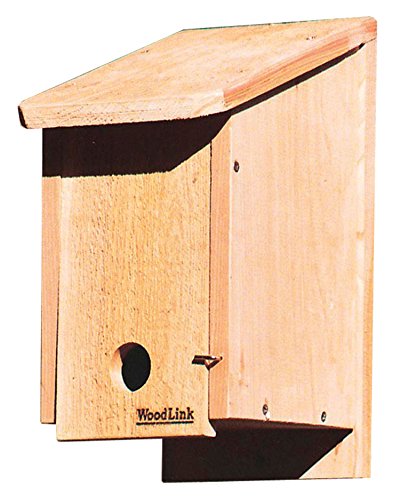
Woodlink Cedar Winter Roosting Box
Check PriceControlled Hypothermia: A Radical Survival Strategy
Did You Know?
Black-capped chickadees can lower their body temperature by up to 50 degrees F during torpor. Their heart rate slows from 500+ beats per minute to under 100. They essentially ‘power down’ to survive the night.
How Blizzards Hit Late Migrants and Residents Differently
The impact of a blizzard varies dramatically depending on whether a bird is a hardy resident or a late-season migrant caught off-guard. Year-round residents like cardinals, chickadees, and downy woodpeckers have adapted to winter’s challenges over countless generations.
They know the territory, have established food caches, and possess the physiological adaptations needed for cold weather survival.
Late migrants face a tougher situation. Robins lingering into early winter or hermit thrushes delayed by favorable weather can find themselves trapped when an unexpected blizzard strikes.
Get our free Hummingbird Attraction Guide! Plus, we'll send you our best tips for attracting more birds to your yard.
These birds haven’t built the same fat reserves as residents, and they may not know the best local shelter spots.
Snow cover presents the biggest challenge—ground-foraging species suddenly lose access to their primary food sources. However, even late migrants rarely attempt to outrun a storm once it arrives.
The energy cost is simply too high.
Instead, they employ the same sheltering strategies as residents, crowding into dense vegetation, tree cavities, and any protected nooks they can find. Robins may pack into holly bushes, surviving on berries until ground access returns.
Sparrows burrow into snow banks, using the snow itself as insulation.
What the Research Tells Us
According to research from the Cornell Lab of Ornithology, most bird mortality during blizzards results from starvation rather than exposure. Birds can survive remarkable cold if they have adequate calories, which is why food availability immediately after a storm is crucial.
Once the weather breaks, even stressed late migrants can typically recover if they can access high-energy foods quickly. This is where your backyard can make a real difference.
5 Ways to Help Birds Through Your Next Blizzard
Used Christmas trees can be piled up and weighted down or tied down, or erect a snow fence and fill it in with evergreen branches which creates a wall to provide shelter for your birds as they eat and helps to keep feeders free from snow build up. Do you have a broom or brush by the door that you use to access your feeders, so you can quickly get out to brush off accumulating snow and ice on your feeders and hooks (where birds land)?
After a snowstorm, clear feeders of any snow and ice that could be blocking birds from the seed. Ensure the seed is not wet–wet seeds can mold and spoil quickly.
1. Stock Feeders with High-Energy Foods Before the Storm Hits
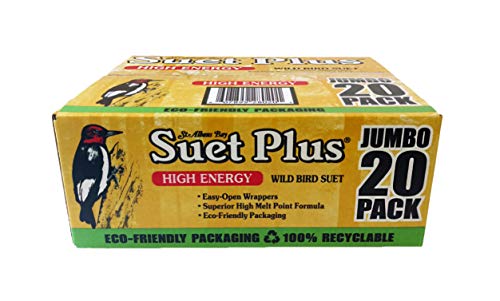
ST. ALBANS BAY Suet Plus 11 oz Suet Cakes
2. Position Feeders in Protected Locations

SKY CAFE 17” Outdoor Squirrel Baffle Dome
3. Provide Fresh, Unfrozen Water

GESAIL Waterproof Birdbath Deicer 50W
4. Maintain Dense Cover in Your Yard

Coveside Winter Bird Shelter with Removable Perch
5. Clear Feeding Areas Quickly After the Storm
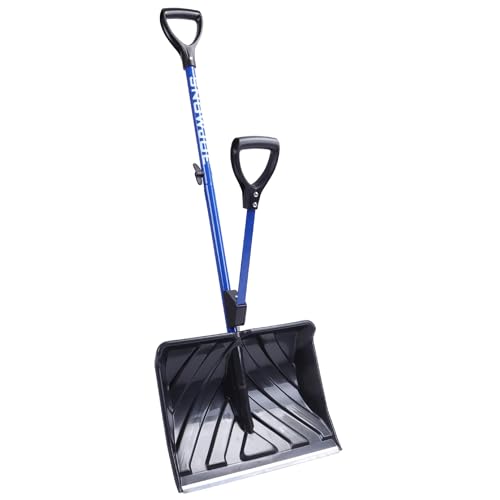
Snow Joe Snow Shovel with Assist Handle
What to Watch For After the Storm
If you’re in an area that receives regular snowfall, clear your feeders of snow after every storm and make sure that your feeders aren’t filling up with moisture that can cause food to go bad.
Unusual species: Blizzards sometimes push birds into yards they wouldn’t normally visit. You might see species you’ve never encountered before.
A window feeder lets you watch these rare visitors up close without disturbing them.
Pro Tip
The first 4-6 hours after a blizzard ends are the most critical feeding window. Birds have burned through their fat reserves overnight and need immediate calories. If you can only shovel one path, make it the path to your feeders.
Building a Blizzard-Ready Backyard
The best time to prepare for blizzard season is before the first storm arrives. Consider these additions to your backyard bird habitat:
Multiple feeder types: Different species prefer different feeders. A tube feeder with sunflower seeds, a suet cage for woodpeckers and nuthatches, and a platform feeder for ground-feeding birds ensures everyone has access to food.
Native plantings: Evergreens like junipers, spruces, pines, and arborvitae provide year-round shelter. Berry-producing shrubs like winterberry and holly offer emergency food when feeders are buried.
Roosting boxes: Unlike nest boxes, roosting boxes are designed specifically for winter use, with entry holes at the bottom to trap rising warm air and internal perches for multiple birds.
The Bottom Line
The next time a blizzard warning appears in your forecast, remember that the birds in your yard won’t be flying hundreds of miles away. They’ll be right there, tucked into nearby shelter, waiting for the storm to pass.
With a little preparation, you can be the difference between a difficult night and a deadly one. Stock those feeders, clear that snow, and keep the water flowing.
Your backyard birds are counting on you.
Happy birding!
Blizzard backyard checklist
| Spec | What our writers say |
|---|---|
| Storm cover | Dense trees and shrubs, or eaves and porches |
| After the blow | They return quickly to flowers and feeders |
| Wind | Birds and seed both need a windbreak |
| Torpor | Hummingbirds drop temperature and heart rate and may hang upside down |
| Instant shelter | Weight down old Christmas trees or stuff a snow fence with evergreen |
| Feeder access | Keep a broom by the door to brush snow and ice off feeders and hooks |
| Wet seed | Molds quickly; clear snow after every storm |
📷 Show us your feeder setup! Share a few photos of your feeders and you might be featured on Wild Bird Scoop. Share your setup →