


Your garden is missing a crucial piece of infrastructure, and it’s probably why your plants struggle while your neighbor’s seem to thrive effortlessly. That towering wooden structure they built last spring isn’t garden art – it’s a sophisticated beneficial insect apartment complex that’s revolutionizing their entire outdoor space.
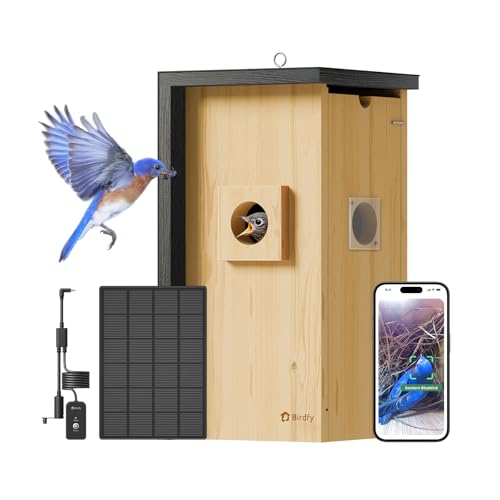
Birdfy Solar Powered Bird House with Camera
Check PriceWhile most gardeners fight endless battles with pests and disappointing harvests, insect hotels create permanent populations of nature’s most skilled workers. These aren’t just random bugs we’re talking about – these are specialized contractors who perform services you can’t buy at any garden center.
Save this article for later so you don't lose it. Enter your email and I'll send it to you now—plus you'll get my favorite backyard birding tips delivered to your inbox.
The Hidden World of Beneficial Garden Workers
Most people have no idea their yards are crawling with potential employees. Native mason bees work 300% more efficiently than honeybees at pollinating fruit trees. A single ladybug devours 5,000 aphids in her lifetime. Green lacewing larvae, nicknamed ‘aphid lions,’ can eliminate 200 soft-bodied pests per week.
The problem? These beneficial insects need safe nesting sites, overwintering shelters, and protection from predators. Your manicured garden looks pretty but offers zero employment benefits. An insect hotel changes that equation completely.
Building Your Multi-Story Beneficial Bug Complex
Forget the basic log-with-holes approach most people try. Strategic insect hotels use the apartment building model, with specialized neighborhoods for different species. Start with a sturdy wooden frame, roughly 3 feet tall and 2 feet wide, positioned to face southeast for morning sun exposure.
The penthouse suite features bamboo tubes cut to 8-10 inch lengths, perfect for mason and leafcutter bees. These solitary superstars don’t swarm or sting, but they’ll pollinate your fruit trees with incredible precision.
Get our free Hummingbird Attraction Guide! Plus, we'll send you our best tips for attracting more birds to your yard.
Mid-level apartments consist of drilled hardwood blocks with holes ranging from 6-10mm diameter. Different hole sizes attract different beneficial species, creating a diverse workforce that handles various garden challenges.
The Ground Floor Wildlife Shelters
The bottom sections house your cleanup crew – beetles, spiders, and other beneficial predators who work the night shift. Loosely stacked bark pieces, pinecones, and untreated wood chunks create perfect shelters for these pest-control specialists.
Add a handful of hollow plant stems from sunflowers, elderberry, or raspberry canes. These natural tubes provide overwintering sites for beneficial insects that emerge as your garden’s first responders in spring.
Strategic Placement for Maximum Occupancy
Location determines whether your hotel becomes a thriving metropolis or an expensive ghost town. Position your structure 3-6 feet off the ground, sheltered from strong winds but with clear flight paths for incoming residents.
The magic happens when you plant the right welcome mat. Within 50 feet of your hotel, establish native flowering plants that bloom in succession from spring through fall. Bee balm, black-eyed Susans, and native asters provide the fuel that keeps your workforce energized.
Seasonal Maintenance That Keeps Residents Happy
Unlike bird houses that need annual cleaning, insect hotels work best with minimal interference. In late fall, add fresh materials to replace any weathered components. Remove any moldy or damaged sections that could harbor parasites.
Spring arrivals often indicate success – look for sealed bamboo tubes (mason bee nurseries) and evidence of beneficial spiders setting up shop in bark crevices. These signs mean your hotel is generating the next generation of garden helpers.
The Results That Make Neighbors Jealous
Year two is when insect hotels prove their worth. Established beneficial populations create noticeably healthier plants, increased fruit production, and dramatically fewer pest problems. Your garden essentially manages itself while neighbors struggle with expensive sprays and constant maintenance.
The best part? Your offspring workers spread throughout the neighborhood, creating a beneficial insect network that improves everyone’s gardens. You become the unofficial beneficial bug headquarters, training and deploying nature’s most effective workforce.
This isn’t just about helping insects – it’s about transforming your entire gardening experience from constant battle to peaceful partnership. Build it right once, and watch your garden become the thriving ecosystem it was always meant to be.