


Blue jays are among the most vocal and intelligent birds in North America. These striking blue-crested beauties are more than just pretty faces in our backyards—they’re complex communicators with a wide range of behaviors that send specific messages.

The Camera Feeder We Use In Our Own Backyard
See Today's PriceWhen a blue jay visits your yard, it might be trying to tell you something important about your environment or even about yourself.
Save this article for later so you don't lose it. Enter your email and I'll send it to you now—plus you'll get my favorite backyard birding tips delivered to your inbox.
1. There’s Danger Nearby

For example, when a hawk is spotted nearby, Blue Jays will shriek and screech at one another, sounding the alarm. This potentially deters the hawk and successfully warns other birds in the area to be on the lookout!
As such, the instinct to flee from hawks may be so strong in blue jays that even when there is no real danger, they will still try to chase away hawks. Whatever the reason, it is clear that blue jays view hawks as a threat and will go out of their way to harass them.
2. Your Oak Trees Are Thriving

Blue Jays will also eat acorns and other nuts. In fact, they play an important role in the dispersal of oak trees!
They will store acorns in their nests and then forget about them, leading to the sprouting of new oak trees. The blue jay’s love for acorns helps spread oak trees around its habitat.
The bird can be seen in your backyard if you fill a feeder with peanuts, sunflower seeds, and suet.
3. Your Bird Feeder Selection Is Top-Notch

You can entice blue jays to visit your backyard by offering them their favorite foods. They love suet, peanuts, and sunflower seeds.
It would be best to offer these foods on a tray attached to a post, rather than in regular bird or suet feeders. Not all bird feeders are created equal.
If you want to attract Blue Jays, you need a feeder big enough for them to eat from with a perch they can use. You also need to ensure the feeder is placed in an open area where the jays can easily see it.
4. “I recognize you as the caretaker”

Blue jays possess remarkable facial recognition abilities and can remember human faces for years. A study in the Proceedings of the Royal Society B confirmed that corvids (the family blue jays belong to) can recognize and remember individual human faces!
When a jay watches you intently from a nearby branch while you fill the feeder, it’s actively associating you with food. These smart birds form long-term memories about which humans are helpful and which might pose threats.
Get our free Hummingbird Attraction Guide! Plus, we'll send you our best tips for attracting more birds to your yard.
Many backyard birders have noticed how jays become increasingly comfortable over time, sometimes even announcing your arrival with special calls that alert other jays that the “food provider” has appeared. Talk about a warm welcome!
5. Your Yard Has Excellent Nesting Potential

Blue Jays also need access to shelter in the form of trees, shrubs, or even a man-made birdhouse. If you provide shelter for Blue Jays, they’re more likely to stick around and make your yard their home.
6. “The seasons are changing”

A sudden increase in blue jay activity often signals seasonal transitions. In late summer and fall, you might notice jays gathering in larger groups, becoming more vocal, and frantically collecting nuts.
This behavior indicates they’re preparing for winter or migration. According to Journey North’s migration studies, not all blue jays migrate, but some northern populations do move southward up to 1,000 miles!
Before modern weather apps, folks relied on nature’s signals—like blue jay behavior—to anticipate seasonal changes. Their increased food-gathering frenzy has long been considered a traditional sign of an approaching harsh winter.
Who needs a meteorologist when you have blue jays?
7. Your Water Source Is Appreciated

In addition to food, Blue Jays also need access to water. A birdbath is a great way to provide water for Blue Jays and other birds.
If you don’t have a birdbath, you can place a shallow dish of water in your yard. Just make sure to change the water frequently to prevent the spread of disease.
8. I’m Part of a Family Unit

Boldly colored in blue, black, and white, Blue jays are known for their tight family bonds, complex social systems, and their fondness for acorns. In fact, they’re largely believed to have helped spread oak trees during and after the last glacial period.
9. I’m Smarter Than You Think
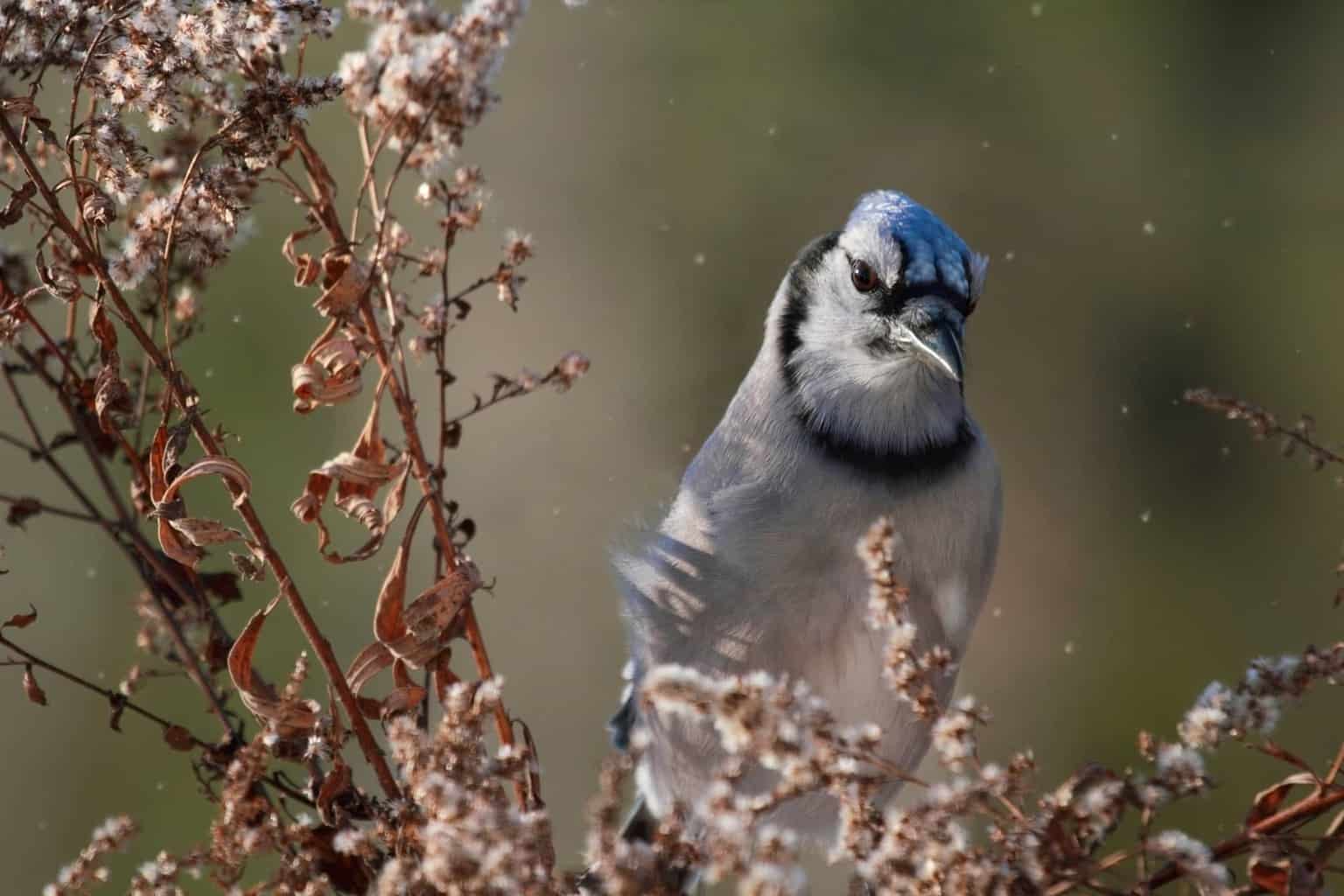
The largest of the Jays family, the Blue Jay, is a frequent sighting in Maine. It’s known for being bold, intelligent, and vocal.
It loves to inhabit forest edges, yet it won’t think twice about living near human habitats as long as the food is offered up clearly, in a bird feeder, for example.
10. My Territory Is Here
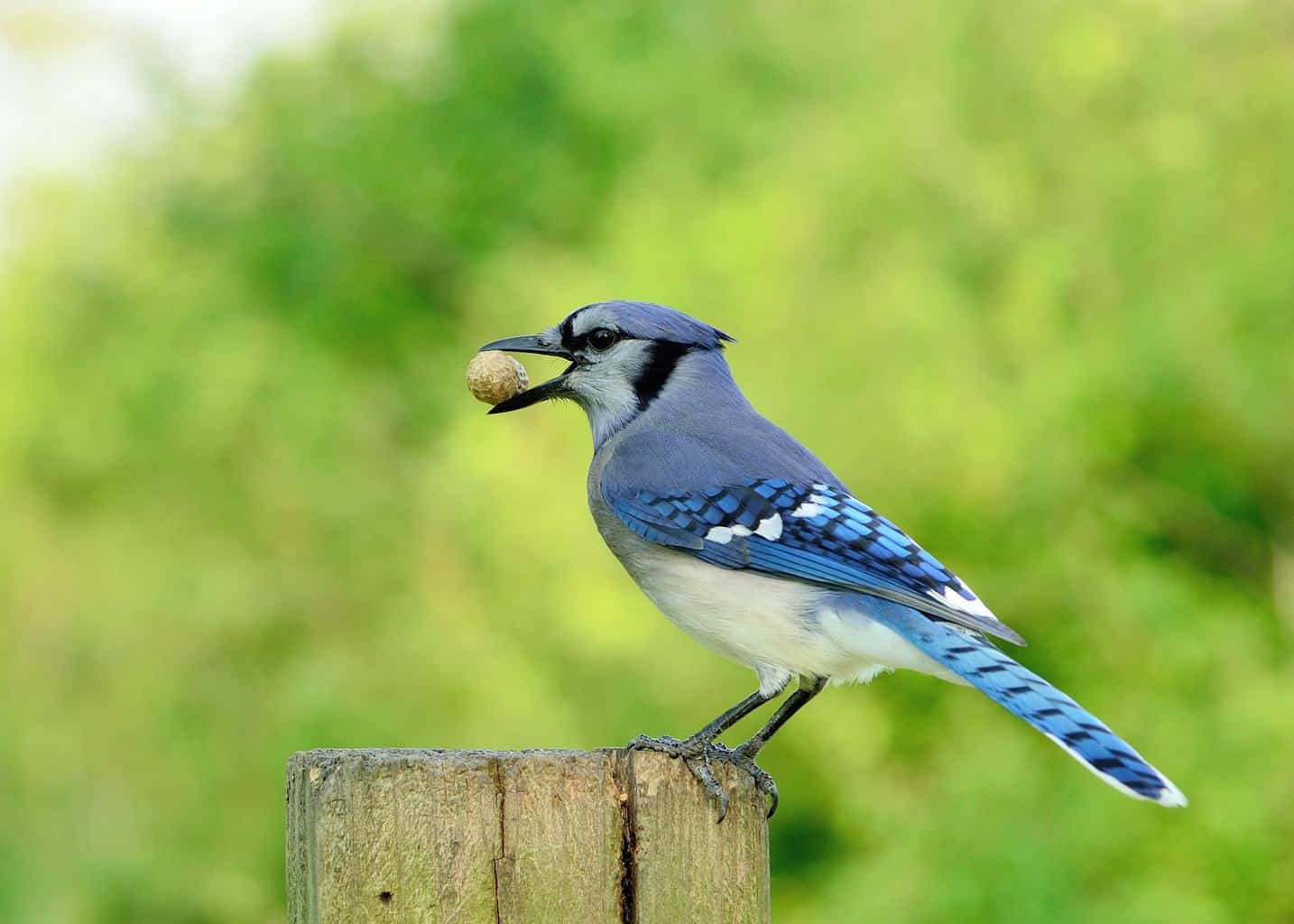
Blue jays will dive-bomb the hawk and make loud noises. Second, blue jays are also known to be territorial.
If a hawk invades a blue jay’s territory, the blue jays will again try to chase the hawk away.
11. “There’s a predator overhead”

A sudden silence from normally vocal blue jays can be as meaningful as their loudest calls. When jays abruptly disappear or freeze in place while looking skyward, they’re likely spotting an aerial predator like a hawk or owl.
Research published in PNAS shows this behavior is part of a sophisticated predator response system evolved over millions of years. The jays’ silence creates a ripple effect through the ecosystem, with chipmunks, squirrels, and other birds also going quiet—a momentary pause in nature’s symphony that signals danger from above.
When blue jays go silent, it’s nature’s version of hitting the mute button—and a good time to look up!
12. I’m Not Really Blue

The Blue Jay is one of the most beautiful blue-colored birds that you can find out there. They have a unique feather structure that reflects the blue color from white light, giving them the iconic color despite not having any blue pigments in them.
Despite the color intensity, you should remember that this color is actually due to feather structure and not pigments. In fact, if you hold an individual Blue Jay feather, it will be white!
Blue jay signals at a glance
| Spec | What our writers say |
|---|---|
| Hawk alarm | They shriek and screech to warn other birds |
| Acorns | Cached and forgotten acorns sprout into oak trees |
| Favorite foods | Suet, peanuts, and sunflower seeds on a tray |
| Feeder setup | Large enough to perch, placed in the open |
| Shelter | Trees, shrubs, or a man-made birdhouse |
| Water | A birdbath or shallow dish, changed often |
| Color | Blue is feather structure, not pigment; a single feather looks white |
📷 Show us your feeder setup! Share a few photos of your feeders and you might be featured on Wild Bird Scoop. Share your setup →





