Birds have to adapt to brutal winter conditions. Summer offerings for birds like buzzing insects, berries, and grass seeds go away.

The Camera Feeder We Use In Our Own Backyard
See Today's PriceKnowing how harsh winters are makes feeders and plants spark to life in the winter. The food is critical to the birds survival and the habitat is a sanctuary during the winter.
Save this article for later so you don't lose it. Enter your email and I'll send it to you now—plus you'll get my favorite backyard birding tips delivered to your inbox.
What Winter Does to Natural Food Sources
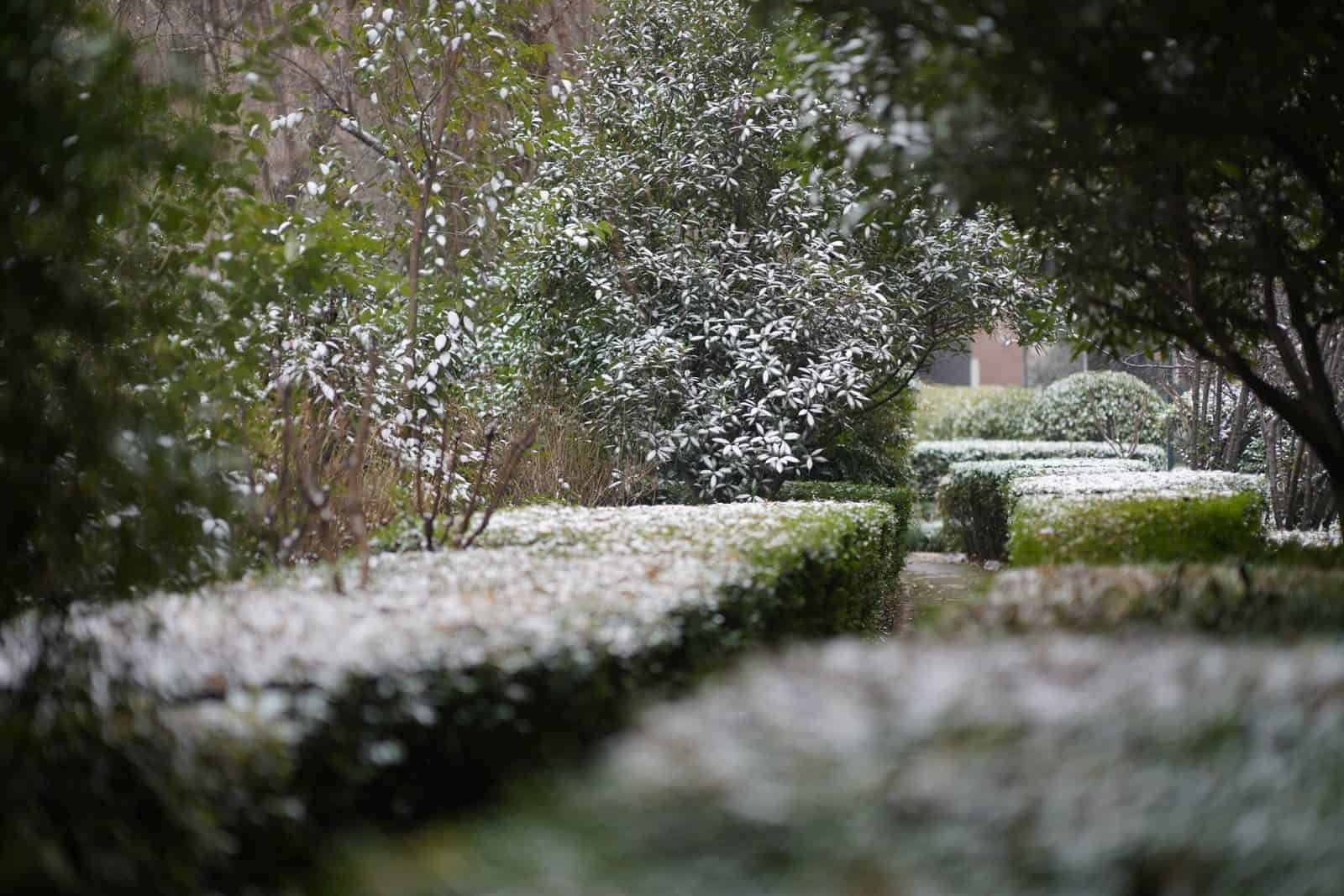
When water is frozen, and many of their food sources have burrowed underground, birds have a difficult time finding food. Thankfully, snow can provide both water and minerals, helping to keep them nourished and hydrated.
The right planting scheme will typically help you to provide food for birds year-round. Of course, in colder winter climates, natural food sources can be in short supply over the coldest months.
How Birds Change Their Food Habits When Wild Food Runs Short

You can continue to feed Blue Jays during the summer and winter months. However, you may need to adjust the type of food you’re offering.
Get our free Hummingbird Attraction Guide! Plus, we'll send you our best tips for attracting more birds to your yard.
Blue Jays prefer fruits and insects during the summer months and seeds and nuts in the winter. The foods that birds in winter eat will often be similar to what they consume during the summer months.
However, high-energy foods are even more important during the winter.
Food Sources for Wild Birds During Winter
The bulk of a wild bird or backyard bird’s diet should always consist of natural food sources. Depending on the bird, this might be a combination of fruits and berries, nectar, seeds, and insects.
Remember to plant plenty of food sources in your garden, choosing native plants to feed native bird species. And in winter, consider food sources that grow as close to home as possible, or seeds or other foods you have put up earlier in the year.
Reasons Your Backyard Turns Into an Important Winter Habitat
Something that is often overlooked when people seek to provide birds with winter shelter and food is that they require reliable water sources for drinking – even during the coldest part of the year. Yes, birds will use birdbaths in the winter if the water is not frozen.
A birdbath heater can help keep the water from freezing, making it more likely that birds will visit your yard even in cold weather! As new birds are born, and conditions change in other areas, birds may take up residence in new locations.
It may not happen overnight, but birds will eventually find your yard if you provide suitable habitat, abundant food, and available water sources.
Ways to Assist Winter Birds in Your Yard
Now that we are in the middle of winter, are your feeders and bird baths conveniently placed in your yard so you can easily get to them when they need cleaning, refilling or require snow and ice removal? One consideration when feeding these seeds during the winter is how much energy they will provide for the birds.
Keeping this in mind, black oil sunflower seeds are often an ideal winter bird seed choice.
Winter food and why birds still visit
| Spec | What our writers say |
|---|---|
| Snow's upside | Snow can provide both water and minerals |
| Lean months | In colder climates, natural food is short over the coldest months |
| Blue Jay shift | Fruits and insects in summer; seeds and nuts in winter |
| Energy | Winter foods are often similar, but high-energy food matters more |
| Wild diet | Fruits and berries, nectar, seeds, and insects |
| Winter plants | Choose native plants, and winter foods grown close to home or stored earlier |
| Open water | Birds use baths in winter if the water is not frozen |
| Heated bath | A heater keeps water open and makes winter visits more likely |
| Winter seed | Black oil sunflower seeds are often an ideal high-energy choice |
| Access | Place feeders and baths where you can reach them for snow and ice removal |
📷 Show us your feeder setup! Share a few photos of your feeders and you might be featured on Wild Bird Scoop. Share your setup →