


If you’ve ever looked out at your snowy yard on a bitter cold night and wondered where all those cardinals and chickadees go, you’re not alone. The answer might surprise you—because it’s almost never the cozy nest you’re picturing.

The Camera Feeder We Use In Our Own Backyard
See Today's PriceWhy Birds Don’t Sleep in Nests on Freezing Nights

Robin roosts can be enormous and include an astounding 250,000 birds during winter. In summer, males gather at roosts, while females sleep at their nests and will only join the males at the roost once they have finished nesting.
Save this article for later so you don't lose it. Enter your email and I'll send it to you now—plus you'll get my favorite backyard birding tips delivered to your inbox.
Winter Roosting in Cavities and Hidden Corners
You could put up roosting boxes for attracting backyard birds that are not cavity users, but would use a roosting box or birdhouse for shelter during cold weather. A box made for roosting does not have air vents at the top to let out excessive heat which are necessary in a bird house to prevent harm to baby birds by over heating.
For a roosting box most of the time it is a positive not to have air vents to keep the body heat produced by the birds trapped inside the box. Winter wrens will also sometimes visit backyards, and residents of Mississippi can help them out by leaving up their nest boxes over the winter.
The otherwise solitary winter wren is famous for congregating in cavities to stay warm during cold nights!
Dense evergreens—especially spruces, pines, and cedars—offer another crucial refuge. The thick, layered branches block wind and create pockets of still air that hold warmth.
Cardinals, sparrows, juncos, and finches often tuck themselves deep inside these conifers, positioning themselves close to the trunk where needles are densest. The difference in temperature between an exposed branch and the interior of a dense spruce can be several degrees, which matters enormously on a bitter night.
Roost boxes—specially designed birdhouses with interior perches and bottom ventilation holes—are becoming more popular as people realize their value. Unlike traditional nest boxes, roost boxes allow multiple birds to cling to interior perches and huddle together.
On extreme nights, bluebirds, chickadees, and even screech-owls will pack into these boxes, sometimes in surprising numbers.
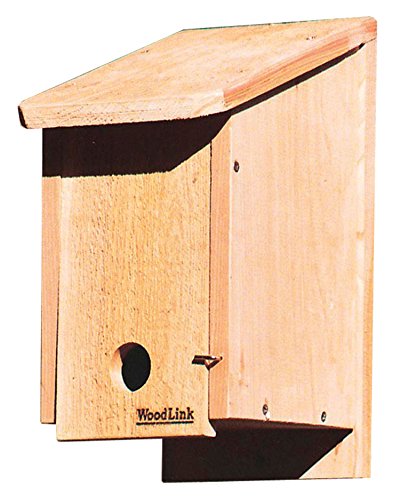
Woodlink Cedar Winter Roosting Box
Check Price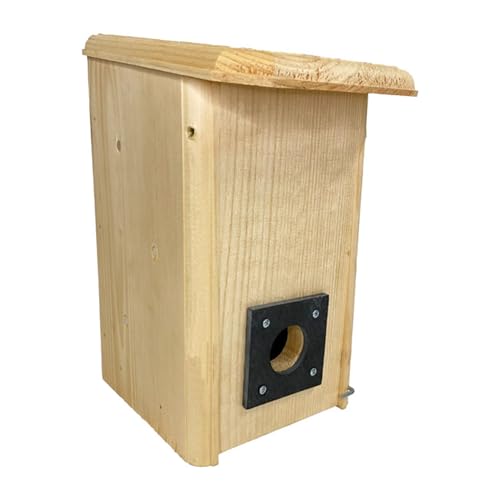
Coveside Small Winter Roost Bird House
Check PriceHow Birds Stay Warm at 10 Degrees Without a Heated House
When a hummingbird enters torpor, their heart rate drops down to roughly 50 beats per minute—a far cry from 1200 during the day! Their metabolism drops to 1/15 of what it was, and their body temperature decreases to the ambient temperature, which can be up to a 50 degree shift.
(If a human drops 3.5 degrees, we become hypothermic.) At night, hummingbirds enter a hibernation-like state called torpor to conserve energy. Their metabolisms slow down and body temperatures drop.
Get our free Hummingbird Attraction Guide! Plus, we'll send you our best tips for attracting more birds to your yard.
To stay safe during this period, they perch in protected areas and avoid being detected. Installing a suitable nest box in the backyard is a great way for residents to help Pacific wrens get through the cold Alaskan winters.
They’re one of the few bird species that will huddle together in birdhouses during cold nights to stay warm!
Fluffing feathers is the first line of defense. By puffing up their plumage, birds create air pockets that trap heat close to their skin.
A chickadee can nearly double its apparent size by fluffing, transforming itself into a tiny, round ball of insulation. Those air spaces act like down in a sleeping bag, holding warmth generated by the bird’s high metabolism.
Did You Know?
A Black-capped Chickadee can lower its body temperature by as much as 22 degrees F at night, dropping from 108 F to about 86 F. It essentially enters a controlled mini-hibernation every single winter night.
Simple Ways You Can Help Backyard Birds Survive Frigid Nights
Provide shelter. Birds also need a place to rest and take shelter from the elements.
To make your yard more appealing to birds, try adding a birdhouse or two, as well as some evergreen trees or shrubs. You could make your own suet, but save yourself the hassle and buy suet cakes from a store.
They’re usually mixed with seeds and provide birds with a lot of energy through the harsh, cold months. Yes, birds will use birdbaths in the winter if the water is not frozen.
A birdbath heater can help keep the water from freezing, making it more likely that birds will visit your yard even in cold weather!
Put up roost boxes. These are easy to buy or build, and they’re used heavily on cold nights. Place them in sheltered spots, ideally facing away from prevailing winds.
Keep feeders stocked. Birds need maximum calories before nightfall to survive freezing temperatures. Suet, black oil sunflower seeds, and peanuts are all high-energy options that help birds build the fat reserves they’ll burn overnight.
Offer fresh water. Dehydration is a real risk in winter, and liquid water can be hard to find. A heated birdbath is a game-changer on frigid days.
Pro Tip
Position suet feeders on the south or southeast side of a tree trunk — this gives birds a warmer feeding spot in morning sun and shelter from prevailing northwest winds.

API Heated Outdoor Plastic Birdbath
Check Price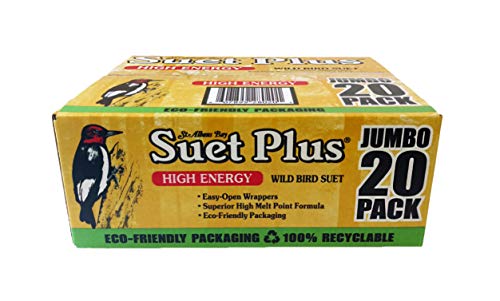
ST. ALBANS BAY Suet Plus 11 oz Suet Cakes
Check Price
ODSNANIE Heated Bird Bath with Thermostat
Check PriceCold-night roosting at a glance
| Spec | What our writers say |
|---|---|
| Robin winter roost | As many as 250,000 birds |
| Who stays on the nest | Females, only while they are still nesting |
| Roosting box vents | No air vents at the top, to trap body heat |
| Winter wrens | Congregate in cavities on cold nights |
| Hummingbird heart in torpor | About 50 beats per minute, versus 1200 by day |
| Metabolism in torpor | Drops to 1/15 of daytime |
| Temperature shift | Up to a 50 degree drop |
| Pacific wrens | Huddle together in birdhouses |
📷 Show us your feeder setup! Share a few photos of your feeders and you might be featured on Wild Bird Scoop. Share your setup →





