


There’s something magical about seeing a flash of brilliant red against the winter snow or summer greenery. Cardinals are among North America’s most beloved backyard birds, and with a few simple tricks, you can create a haven that keeps these beautiful creatures coming back year after year.

The Camera Feeder We Use In Our Own Backyard
See Today's PriceHere’s how to make your yard a cardinal paradise.
Save this article for later so you don't lose it. Enter your email and I'll send it to you now—plus you'll get my favorite backyard birding tips delivered to your inbox.
Unlike many songbirds that migrate south for winter, cardinals are year-round residents throughout their range. This means your efforts to attract them will pay dividends in every season—the vibrant males adding color to winter landscapes and the subtle beauty of females brightening spring nesting season.
1. Plant Dense Evergreen Shrubs

That said, creating a space full of shade and cover will go a long way to making your land a good setting for birds. Cardinals often nest in shrubs and the forks of tree branches and bird lovers often enjoy the sight of a cardinal taking cover in evergreen branches throughout the winter months.
Placing a cardinal feeder near evergreen trees is another great option, especially for the winter, as it will make the cardinals feel safer while offering places to perch. Just make sure it’s not so close that squirrels become an issue.
Including evergreen trees, shrubs, and ground cover is a great thing to consider. Evergreen plants keep their leaves or needles year-round, so they naturally provide shelter for winter birds through the coldest season.

Brighter Blooms Emerald Green Arborvitae 1-2 Ft
2. Offer Premium Black Oil Sunflower Seeds

They also need a feeder that will hold their favorite foods. A cardinal’s beak is shaped for cracking larger seeds, so these are the best foods to offer them.
They enjoy black oil sunflower and safflower seeds, corn, and peanuts. Cardinals also like mealworms and suet.
First, you should consider what type of food you’re offering. Cardinals are known to adore black oil sunflower seeds.
They also love safflower seeds, peanuts, and suet cakes. You should select feeders that allow you to serve these foods.
Black oil sunflower seeds are smaller and more common in birdseed than the kind of sunflower seeds humans eat. Their shell is all black and is generally pretty easy for all kinds of birds to crack open.

Wagner's Black Oil Sunflower Bird Food 25lb
3. Keep Water Moving Year-Round

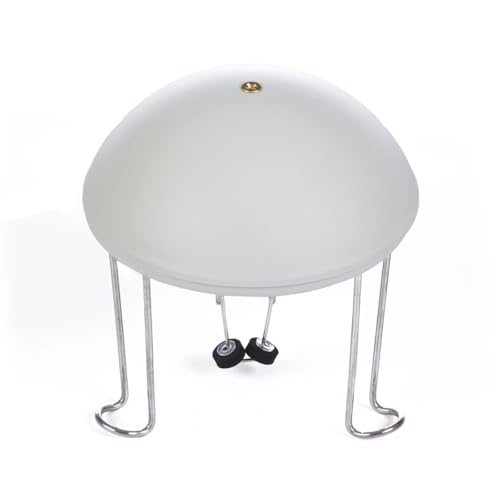
Providing a nearby water source, like a birdbath, is another great way to draw cardinals to your feeders. Keeping the water moving will attract the cardinals’ attention and help prevent freezing in the winter.
Yes, birds will use birdbaths in the winter if the water is not frozen. A birdbath heater can help keep the water from freezing, making it more likely that birds will visit your yard even in cold weather!
Of course, birds need water to drink, and for bathing. But many birds are also attracted to water due to the insect life it attracts.
And many species will also be drawn to a space by the sounds of running or moving water.
Product
Check Price4. Create Multi-Level Feeding Stations

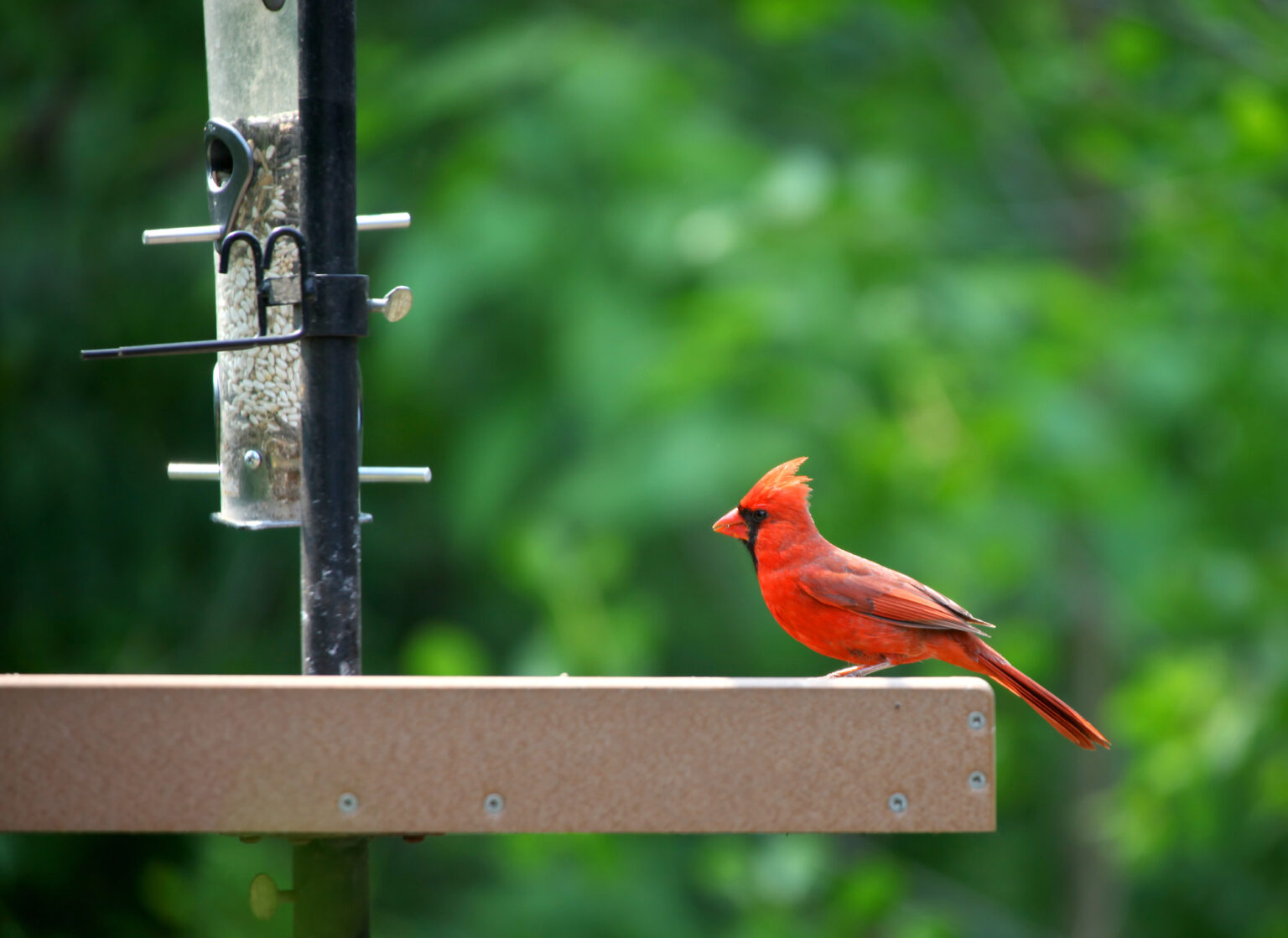
Studies have shown that cardinals prefer ground and platform feeders. A hopper feeder with adequate perches, or a large tube feeder with a tray underneath, can provide a similar experience.
Suet feeders are a great cold-weather option for feeding cardinals. Also, consider the feeding style the bird prefers.
Cardinals are ground feeders. Platform feeders best replicate this experience.
Hopper feeders with enough perching space, or trays underneath, can also work. Cardinals prefer a bird feeder that is close to natural cover.
Smaller trees and shrubs offer protection at the feeders and on the ground. Ground-level feeders are their favorite.
They will also feed at pole-mounted and hanging feeders, which you can encourage with varying levels of cover plants.

Kingsyard Adjustable Metal Platform Bird Feeder
5. Plant Native Fruit-Bearing Trees

Carotenoids in native fruit like raspberries, wild grapes, or Dogwood berries are responsible for the red hues in cardinal feathers. Cardinals love these fruits, although they mostly eat them for their seeds.
Favorite berry shrubs, such as the dogwood, sumac, or mulberry, will do double duty as they attract cardinals to their fruit (and the seeds inside) while offering shelter.
Get our free Hummingbird Attraction Guide! Plus, we'll send you our best tips for attracting more birds to your yard.

Froze White Flowering Dogwood Tree Seedling
6. Maintain Ground Feeding Areas

Northern Cardinals are common backyard birds and can be seen around a bird feeding station, though they can also be seen hopping around bushes, perching in tree branches, or searching the ground for seeds. Some of their most common territories include heavily wooded areas, even city parks!
The Northern cardinal feeds on insects, seeds, and berries. You’ll spot Northern cardinals foraging on the ground or in trees.
They love sunflower seeds and will go wherever birdfeeders are in search of that tasty treat. Feeding near the ground means that squirrels and other hungry critters can be a factor in what kind of feeder you choose.
You may have to select a feeder that compromises between the cardinals’ favorite feeding method and blocking access for the squirrels.

Gray Bunny Metal Mesh Bird Feeder Tray
7. Provide Cardinal-Friendly Nesting Materials

Help cardinals build their nests by providing appropriate materials. Leave small twigs, pine needles, and strips of bark in your yard.
You can also put out natural fibers like cotton or wool in a suet cage, but avoid synthetic materials that could harm the birds.
Female cardinals do most of the nest building, typically completing a nest in 3-9 days. They build cup-shaped nests using four distinct layers: coarse twigs, leafy material, bark strips, and finally a soft lining of grasses, stems, and pine needles.
By providing these materials, you make your yard more attractive to nesting pairs.
Songbird Essentials Nesting Material contains a natural mix of cotton, hemp, aspen fiber, and feathers—exactly what cardinals and other songbirds seek for nest construction.

Product
Check Price
8. Minimize Pesticide Use

You should also make sure that your garden is free from dangers. So, grow organically, and avoid using any harmful herbicides, pesticides, or synthetic fertilizers.
Don’t use netting that might snare birds, and where possible, keep pets like domestic cats indoors. You can help reduce bird deaths in several ways, including keeping cats inside, making your windows bird-safe, planting native plants, reducing or eliminating pesticide use, and advocating for bird-safe structures to be built and bird habitats to continue to be protected.
Studies have shown that even small amounts of common pesticides can impair bird reproduction and survival. By embracing organic gardening practices, you’re protecting not just cardinals but the entire ecosystem that supports them.
Consider using organic neem oil spray as a natural alternative to keep your yard safe for cardinals.
9. Create Brush Piles
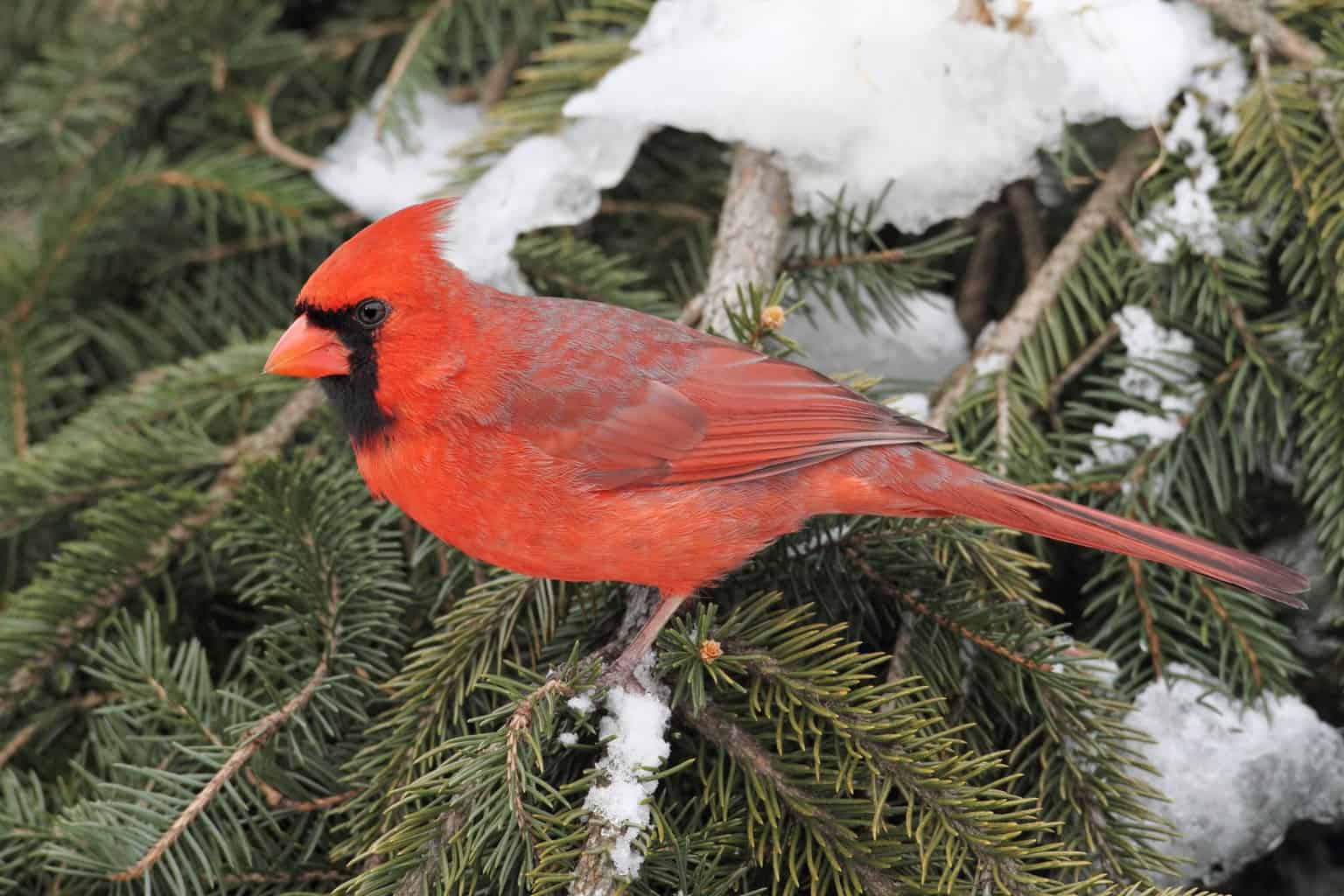
You can also build a brush pile close to the ground feeder as a weather barrier and for a place the wild birds can flee to in case of a predator. If there are no trees within 20 feet of your feeder, then a pile of brush will serve as a place for birds to take refuge to hide from predators and for rest, while they wait their turn at your feeder.
If a full brush pile doesn’t fit your landscape aesthetics, consider adding evergreen boughs from Christmas trees after the holidays—they provide temporary shelter that cardinals will use throughout the winter months. You can also add a cedar roosting box to give cardinals a warm shelter during harsh winter nights.
10. Maintain Year-Round Feeding

Northern Cardinals are a beloved bird and a favorite sight in winter when these year-round residents dazzle backyard bird enthusiasts from snow-covered evergreens. The bright red male cardinals are practically synonymous with the holiday season.
It starts with picking the right birdseed. Not every generic birdseed works for every bird, so putting out foods that cardinals are known to eat will help boost your chances of cardinals making a year-round home in your backyard.
The Northern Cardinals’ relatively large bill allows them to eat a variety of seeds. When they’re not hovering around your backyard, you can find these aggressive birds all year round in open wooded areas.

Product
Check Price11. Install Cardinal-Friendly Lighting
While cardinals are primarily active during daylight hours, they’re often the first to visit feeders at dawn and the last to leave at dusk. Use soft, downward-facing lights in your garden to help them navigate safely during these times.
Avoid bright, upward-pointing lights that can disorient birds and disrupt their natural patterns.
This early morning and late evening feeding behavior, known as crepuscular activity, helps cardinals avoid competition with other birds. If you want to maximize your cardinal sightings, position feeders where you can observe them during these magical twilight hours.
Solar pathway lights that cast a gentle glow can help cardinals find food sources during the transitional periods of dawn and dusk without creating the harsh artificial brightness that disrupts natural behaviors. Low-intensity solar pathway lights are an excellent choice that won’t disturb nesting cardinals.
12. Create Vertical Layers

Lots of layers of different kinds of plants, shrubs, and trees is ideal. You need plants at every level to suit the needs of many birds.
Some are ground dwellers, some like shrubs, and some prefer treetops. This is for their daily living as well as nest building.
And guess what, it doesn’t need to be orderly and tidy. Let it be chaotic and busy!
Just take up as much space as possible and let it be a little bird paradise.
Did You Know?
Cardinals are classified as ‘edge species’ — they thrive where forest meets clearing. If your yard has a clear transition from tall trees to mid-height shrubs to low ground cover, you’ve recreated their ideal natural habitat.
13. Maintain a Quiet Zone

Cardinals appreciate peaceful environments, especially during nesting season. Create a quiet zone away from high-traffic areas and noisy garden equipment.
Position feeding stations and nesting sites away from busy pathways and consider using sound-absorbing features like dense plantings or water features to create a more serene atmosphere.
Male cardinals are famous for their beautiful songs, which they use to establish territory and attract mates. They’re more likely to sing—and nest—in areas where they don’t have to compete with constant noise disturbance.
If you have pets, particularly cats, keep them indoors or supervised. Cardinals are ground foragers and nest at relatively low heights, making them vulnerable to cat predation.
A cardinal-friendly yard is ultimately a safe yard. A brightly-colored cat collar cover can help alert birds to a cat’s presence and reduce predation in your yard.
Bringing It All Together
Pairs generally stay together year-round but are not necessarily monogamous. DNA studies of two populations of Cardinals found that between 9 and 35% of nestlings were not fathered by the female’s mate.
[11] Cardinals can stay together for many years, but they don’t always. One study found that 20 percent of breeding pairs split up during the breeding season, and 10 percent more break it off during the winter.
What cardinals want year-round
| Spec | What our writers say |
|---|---|
| Winter cover | Evergreen shrubs and a feeder placed near them |
| Top seed | Black oil sunflower; also safflower, corn, peanuts, mealworms, suet |
| Water | Moving water in a birdbath; a heater if it would otherwise freeze |
| Feeder style | Ground and platform first; hopper or large tube with a tray |
| Cover at the feeder | Small trees and shrubs; ground-level feeders are their favorite |
| Native fruit | Dogwood, sumac, mulberry; carotenoids in the fruit color the red feathers |
| Brush pile | Within 20 feet of a feeder if there are no trees |
| Pesticides | Grow organically; skip herbicides, pesticides, and synthetic fertilizers |
| Pairing | Pairs often stay together year-round, though not always |
📷 Show us your feeder setup! Share a few photos of your feeders and you might be featured on Wild Bird Scoop. Share your setup →





