


Those pesky squirrels can turn your peaceful bird-watching experience into a frustrating battle of wits. While these acrobatic creatures are entertaining, their constant raids on bird feeders can empty your seed supply quickly. Here are some proven methods to keep these clever critters from stealing your birds’ dinner.
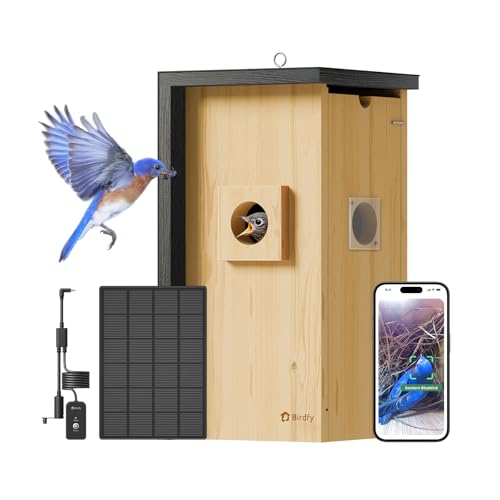
Birdfy Solar Powered Bird House with Camera
Check Price1. Install a Baffle Above Your Feeder

A dome-shaped baffle mounted above your bird feeder creates an effective barrier that squirrels can’t overcome. When these acrobats try to climb down to the feeder, they slide right off the smooth, curved surface. Make sure to install the baffle at least 18 inches above the feeder and ensure it’s wide enough (at least 15-20 inches in diameter) to prevent squirrels from reaching around it.
Save this article for later so you don't lose it. Enter your email and I'll send it to you now—plus you'll get my favorite backyard birding tips delivered to your inbox.
2. Choose Weight-Activated Feeders

Modern weight-activated feeders are a marvel of engineering that would have amazed us back in the day. These clever devices have perches that close off access to the seed ports when anything heavier than a bird lands on them. Squirrels, being substantially heavier than birds, trigger the mechanism and cannot reach the seeds, while lightweight birds can feed freely.
3. Spice Up Your Bird Seed

Mix some cayenne pepper into your bird seed – birds can’t taste the heat, but squirrels sure can! This old-fashioned trick has been keeping squirrels away from feeders for generations. Simply mix a quarter cup of cayenne pepper per 10 pounds of bird seed. The squirrels will quickly learn to avoid your spicy buffet while the birds continue to feast happily.
4. Strategic Placement is Key

Position your feeder at least 10 feet away from any trees, fences, or structures that squirrels might use as launching pads. Mount the feeder on a smooth metal pole at least 6 feet high, and make sure there’s about 8-10 feet of clear space around it. Squirrels can jump impressive distances, but even they have their limits.
5. Offer a Squirrel Feeding Station

Sometimes the best defense is a good offense. Set up a separate feeding station for squirrels with their favorite treats like corn cobs, peanuts, or sunflower seeds. Place it far from your bird feeders, and you might find these clever creatures are content to stay away from your bird feeding area when they have their designated dining spot.
Get our free Hummingbird Attraction Guide! Plus, we'll send you our best tips for attracting more birds to your yard.
6. Use Squirrel-Proof Metal Feeders

Invest in feeders made from chew-proof materials like metal or reinforced plastic. Many modern feeders feature metal feeding ports and protective cages that allow small birds to enter while keeping larger creatures out. These sturdy feeders might cost more initially, but they’ll save you money on replacement feeders and bird seed in the long run.
7. Install Spinning Perches

Some feeders have perches that spin when too much weight is applied. While small birds can easily maintain their balance, squirrels take an amusing carousel ride before dropping off. These entertaining devices provide hours of backyard entertainment while effectively protecting your bird seed.
8. Choose the Right Seeds

Fill your feeders with safflower seeds or nyjer seeds, which squirrels typically don’t enjoy. Cardinals, finches, and many other beloved backyard birds love these seeds, but squirrels will usually pass them by. This simple switch in seed choice can make a significant difference in deterring these persistent raiders.
9. Add a Slinky to Your Pole

Here’s a clever trick that brings back memories of childhood toys: attach a Slinky to your bird feeder pole! Stretch the Slinky from the bottom of the feeder to near the ground. When squirrels try to climb the pole, the Slinky stretches down with their weight, eventually depositing them back on the ground.
10. Create a Moat System

Install a dome-shaped water baffle above your feeder pole. Fill it with water to create a moat that squirrels won’t cross. This method stops squirrels and provides a drinking source for your feathered friends. Just remember to change the water regularly to prevent mosquito breeding.
11. Use Squirrel-Repelling Plants

Plant mint, daffodils, or fritillaria around your bird feeding area. These natural deterrents have scents that squirrels prefer to avoid. Not only will you create a beautiful garden space, but you’ll also establish a natural barrier that helps protect your bird feeders. As a bonus, these plants return yearly, providing lasting protection.
12. Install Motion-Activated Sprinklers

Set up a motion-activated sprinkler near your bird feeding station. When squirrels approach, they’ll get a surprising shower that sends them scampering away. While this might seem like a high-tech solution, it’s both humane and effective. Just remember to warn your garden-tending neighbors about your new security system!
13. Create a Schedule

Consider feeding birds during specific times of day when squirrels are less active. Most squirrels are most active in the early morning and late afternoon, while many birds feed throughout the day. Try putting feeders out mid-morning and bringing them in before dusk. This old-fashioned time management approach can significantly reduce seed loss to squirrels.