


Have you noticed the same bird showing up in your yard day after day? There’s a good chance it’s not just visiting—it’s claimed your space as home. Birds establish territories for nesting, feeding, and raising young, and once they’ve staked their claim, they’ll defend it vigorously. Here are eight telltale signs a bird has officially made your yard its territory.
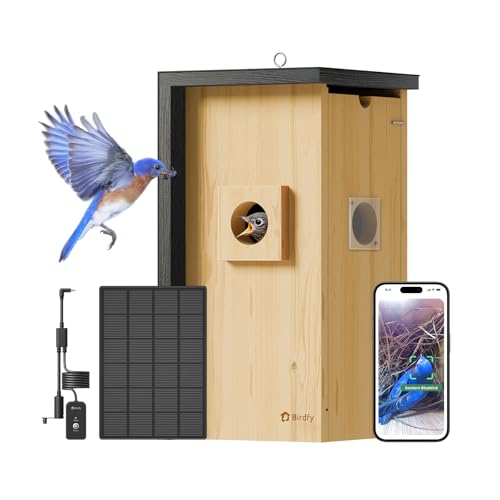
Birdfy Solar Powered Bird House with Camera
Check PriceFrequent Repeated Visits

Save this article for later so you don't lose it. Enter your email and I'll send it to you now—plus you'll get my favorite backyard birding tips delivered to your inbox.
When a bird has claimed your yard, you’ll see the same individual returning multiple times throughout the day, often perching in identical spots. This isn’t random wandering—territorial birds establish regular patrol routes, checking boundaries and monitoring for intruders. You might notice a cardinal always landing on the same fence post, or a robin repeatedly visiting the same branch. These predictable patterns indicate the bird has mentally mapped your yard as its domain. Pay attention to field marks like unusual plumage patterns or behavior quirks to confirm you’re seeing the same bird. Males are especially visible during breeding season, spending considerable energy ensuring their territory remains secure. This consistent presence means your yard offers what they need: food sources, shelter, and suitable nesting areas. Once established, many species return to the same territory year after year, treating your space as their permanent home base.
Loud Singing Posts

Territory-holding birds don’t just visit—they announce their presence loudly and repeatedly from prominent perches. You’ll hear the same songs coming from specific high points like rooftops, tall branches, or fence tops, usually at dawn and dusk when territorial declarations peak. This vocalization serves dual purposes: attracting mates and warning rivals to stay away. A mockingbird singing from your chimney top or a house finch belting out tunes from your antenna isn’t just enjoying the view—it’s broadcasting ownership. These “singing posts” are strategically chosen for maximum sound projection across the territory’s boundaries. During breeding season, males may sing hundreds of times daily from these favorite spots. The repetition and consistency signal serious territorial investment. If you’re hearing the same songs from the same locations day after day, that bird has definitely claimed your yard. The louder and more frequent the singing, the more valuable that bird considers your space.
Chasing Other Birds

One of the most dramatic signs of territorial ownership is aggressive pursuit behavior. You’ll witness your resident bird actively chasing off others of the same species, sometimes engaging in aerial battles complete with sharp calls and diving attacks. This isn’t random aggression—it’s strategic defense of resources. Hummingbirds are particularly fierce, dive-bombing intruders away from feeders they consider theirs. Cardinals, bluebirds, and robins also vigorously patrol boundaries, rushing at competitors who dare enter. These chases often follow predictable patterns, with the territorial bird escorting intruders to the edge of its claimed area before returning to patrol. Interestingly, they’ll often tolerate different species while aggressively pursuing their own kind, since same-species birds compete for identical resources. Watch for these confrontations near feeders, water sources, and nesting sites. The bird doing the chasing—not the one fleeing—is your resident territory holder, willing to expend significant energy protecting what it considers home.
Get our free Hummingbird Attraction Guide! Plus, we'll send you our best tips for attracting more birds to your yard.
Nest Building Materials

When you spot a bird gathering twigs, grass, moss, or other nesting materials from your yard, territory establishment is underway. This behavior signals serious investment—birds only build nests within territories they’ve claimed and feel confident defending. You might notice a robin pulling dried grass from your lawn, a chickadee stripping bark from branches, or a wren investigating every small crevice for spider webs to bind materials together. Watch where they fly with these materials; the nest location is the territorial headquarters. Both males and females participate, though roles vary by species. This gathering activity intensifies in spring but can occur during second or third nesting attempts throughout summer. If you’re seeing repeated trips back and forth with nesting materials, that bird has thoroughly committed to your space. Consider this the ultimate territorial claim—they’re literally building their future family home in your yard, trusting it to provide safety, food, and shelter for vulnerable nestlings.
Regular Feeder Dominance

Territorial birds don’t just visit feeders—they control access to them. You’ll notice one individual arriving first each morning, spending extended time feeding, and aggressively posturing at others who approach. This dominant bird may spread its wings, raise its crest, or make threatening lunges to maintain priority access. Blue jays are notorious for this behavior, but even smaller species like titmice establish clear feeder hierarchies within their territories. The territorial bird often feeds at preferred times, forcing subordinate birds to wait or visit during off-peak hours. This dominance extends beyond just feeding—they’ll monitor the feeder area from nearby perches between meals, treating the feeder as a territorial resource worth guarding. If you consistently see the same bird claiming prime feeder spots while others wait their turn or flee entirely, that’s your territory holder. Providing multiple feeders can reduce conflict, but the dominant bird will still patrol all of them as part of its territorial rounds.
Defensive Bathing Spots

Water sources reveal territorial behavior just as clearly as feeders. A bird that’s claimed your yard will treat birdbaths, puddles, or water features as exclusive resources, bathing at regular times and chasing others away. You’ll observe the same individual arriving predictably—often mid-morning after initial feeding—and spending leisurely time bathing, preening, and drinking. Territorial birds bathe more confidently and thoroughly than visitors, who splash quickly and flee. The resident bird may even defend the bath when not using it, perching nearby and rushing at intruders. This behavior intensifies during hot weather when water becomes scarce and valuable. Robins, catbirds, and warblers particularly treasure bathing spots within their territories. Notice whether the bird drinks and leaves or settles in for extended grooming sessions—the latter indicates ownership mentality. If you’re seeing defensive posturing around your water source, with one bird consistently controlling access, that bird has incorporated your birdbath into its territorial map as a critical resource worth protecting.
Pair Bonding Displays

When you witness courtship behaviors—males feeding females, pairs flying together in synchronized patterns, or cooperative territory defense—you’re seeing the ultimate territorial commitment. Bonded pairs treat territories as shared assets, working together to maintain boundaries and prepare for nesting. Cardinals offer particularly visible displays, with bright red males presenting seeds to females in ritualized feeding. You might observe pairs perching close together, engaging in mutual preening, or responding jointly when intruders appear. These behaviors indicate they’ve not only claimed your yard but plan to raise young there. Pair formation typically occurs within established territories, with males using their territorial songs and resources to attract mates. Once paired, both birds invest in defending the space, though males typically handle more aggressive boundary patrol while females focus on nest site evaluation. Seeing these bonding displays means your yard has passed rigorous avian inspection—it offers everything needed for successful reproduction. This represents maximum territorial investment and suggests faithful return in subsequent breeding seasons.
Seasonal Return Patterns

Perhaps the strongest territorial sign is faithful return to your yard across seasons or years. Migratory species like orioles, warblers, or hummingbirds that reappear in your yard each spring are demonstrating remarkable site fidelity, remembering productive territories and reclaiming them annually. Even resident species like cardinals and chickadees maintain year-round territories, their presence constant through all seasons. According to banding studies, many birds return to territories within meters of previous years’ locations, indicating strong spatial memory and territorial attachment. You might notice the same individual arriving within days of last year’s date, immediately resuming territorial songs and behaviors. This pattern reflects your yard’s proven success—it previously provided adequate food, nesting sites, and safety, making it worth the journey back. Keep records of arrival dates and behaviors to confirm these patterns. Territorial birds essentially view your yard as their permanent home, whether occupied year-round or seasonally. This loyalty offers you predictable opportunities to observe, support, and enjoy these remarkable residents generation after generation.