Want to turn your backyard into a cardinal magnet without spending a fortune? These 13 time-tested methods will have bright red cardinals flocking to your yard, and the surprising #1 tip at the end costs absolutely nothing but works like magic.

The Camera Feeder We Use In Our Own Backyard
See Today's Price13. Create Budget-Friendly Winter Windbreaks
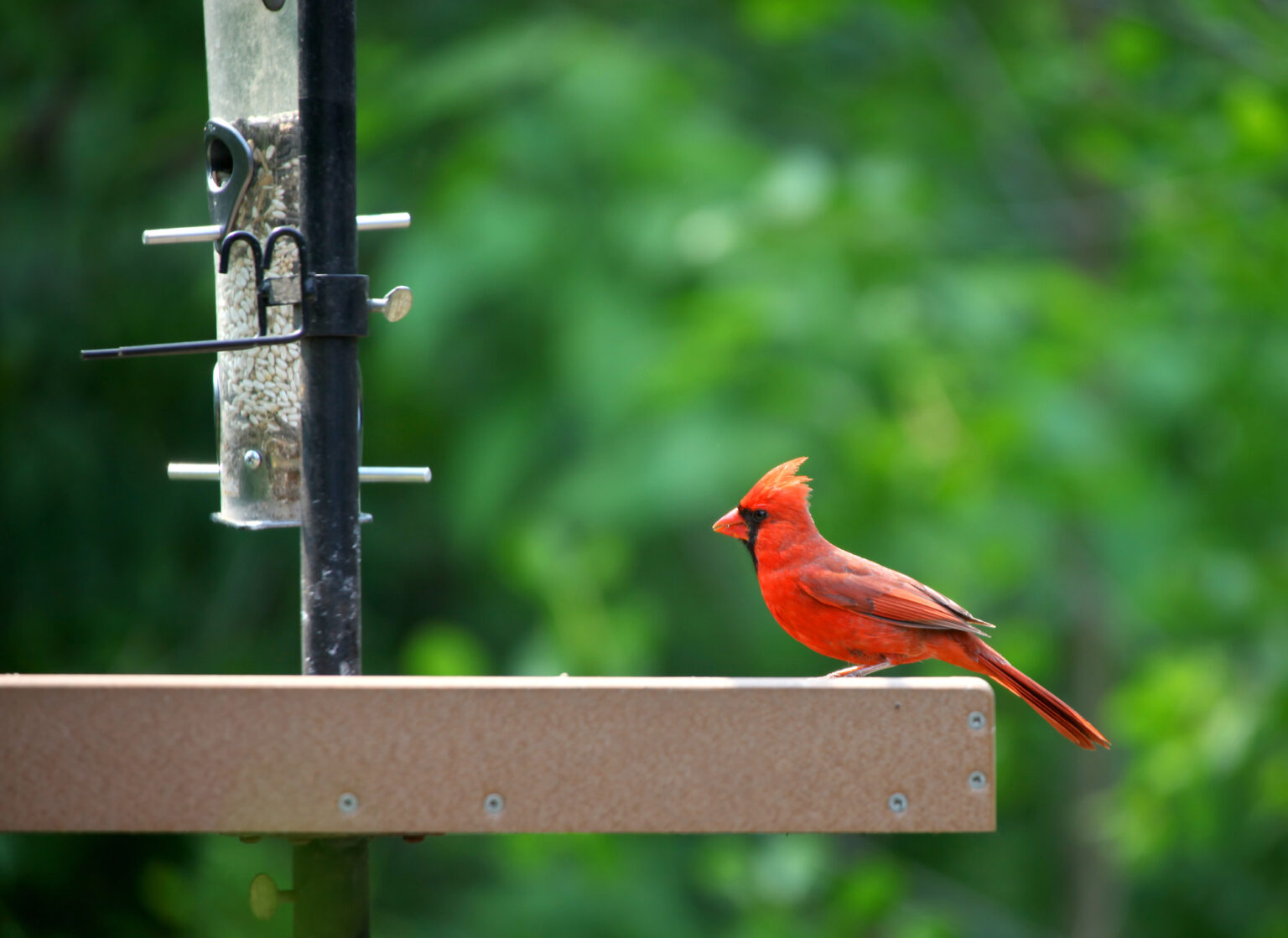
After Christmas, I always stick a discarded Christmas tree or two in the snow to provide better hiding places for the small birds, as we don’t have evergreen trees close to our bird feeders, only deciduous trees that are bare in winter. Of course, you can’t create the perfect bird-friendly garden overnight.
Save this article for later so you don't lose it. Enter your email and I'll send it to you now—plus you'll get my favorite backyard birding tips delivered to your inbox.
However, there are a few other steps that you can take while you’re waiting for the eco-friendly garden you have designed and created to grow to maturity.
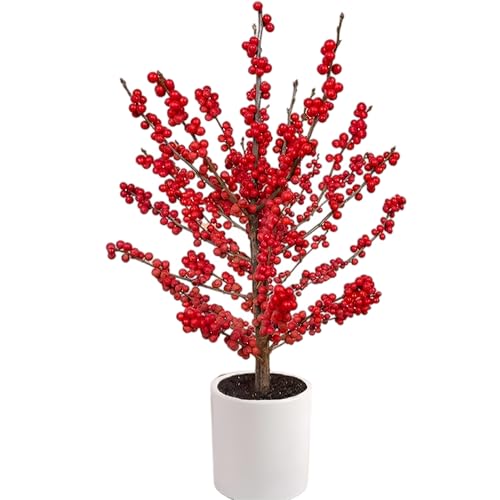
ANDAG American Holly 12" Potted Plant
Read next
More cardinal-friendly ideas that fit the same project
12. Dawn and Dusk Feeding Schedule

Cardinals are most active in the early morning and late evening. Make sure your feeders are filled before sunrise and topped off before sunset.
This simple timing trick costs nothing but maximizes your chances of attracting these beautiful birds when they’re most likely to visit.
Did You Know?
Cardinals are one of the few songbirds that feed actively at dusk. In winter, the last 30 minutes before dark can account for nearly a third of their daily calorie intake.
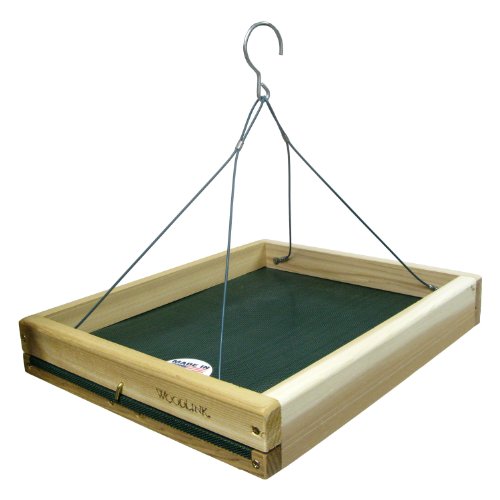
Woodlink 3-in-1 Cedar Platform Bird Feeder
11. Natural Nesting Materials
While they will typically build their nests in trees, they have been known to use artificial structures such as mailboxes and gutters, and artificial nesting materials, some of which—like fishing line—can be harmful.

Provide free natural materials to help cardinals build their nests. Save your grass clippings, small twigs, and plant fiber from yard maintenance.
Spread these materials near feeding areas during nesting season, making your yard even more attractive to nesting pairs. A nesting material holder mounted near shrubs makes it easy for cardinals to find building supplies.

slivche Hummingbird Nesting Material Holder
Check Price10. Recycled Feed Storage

First, always make sure to store your sunflower seeds in an airtight container. Airtight storage will help keep moisture and pests out, both of which can quickly ruin a big batch of seeds.
Brabtod Airtight Bird Seed Storage Container
9. Cardinal-Friendly Perches

Many bird feeders do not have large enough perches or perching spaces for cardinals. Cardinals are larger birds, averaging 8.5 inches in length with a wingspan of over 12 inches.
Some bird feeders aren’t even that wide! Check the dimensions of the feeder before making a purchase.
Cardinals also enjoy suet but won’t use a feeder that requires them to hang upside down. They’re also not usually too keen on clinging the way that, say, a nuthatch might.
Make sure there are ample comfortable perches available if you want cardinals to use your suet feeders. Make sure your cardinal bird feeder is large and stable enough to handle the weight of several birds.
Cardinals can be fairly large compared to other backyard birds, so you’ll need a feeder to support their weight and then some, as they likely won’t be the only birds coming to feed.

Kingsyard Adjustable Metal Platform Bird Feeder
8. Homemade Suet Feeders

While you can make homemade bird suet by melting fat, mixing it with seeds and bits of fruit, and refrigerating it until it’s hard and compact, it’s likely easier for most backyard bird enthusiasts to purchase suet cakes from a local store. The feeder matters as much as the suet.
A suet feeder is designed to feed suet to birds without getting it on their feathers. Suet usually comes in flat cakes but can come in other shapes.
The most common suet feeders are mesh or cage feeders. These look like a simple cage around the suet, with a hook for hanging.
If you’ve just started putting out homemade suet cakes for the birds, it may take some time for them to find your feeder and realize it contains high-energy suet.
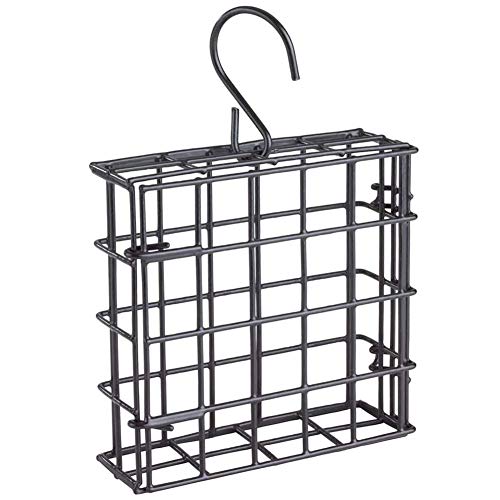
More Birds Suet Cage Bird Feeder Black
7. Seasonal Berry Bushes

Wild berries are often a cardinal favorite, so planting wild berry bushes in your backyard is one way to please cardinals, although you may have to wait a couple of years to see results as the plants grow. Cardinals have also been known to eat fruits like cherries, grapes, and apples.
Some cardinal bird seed mixes will also include raisins. Depending on where you live, native cherries, plums, and crabapples are just some fruits that might provide food sources for you and your feathered friends.
Get our free Hummingbird Attraction Guide! Plus, we'll send you our best tips for attracting more birds to your yard.
And, of course, there are plenty of native berry bushes and cane fruits to consider growing depending on the conditions where you live.

Green Promise Farms Ilex verticillata Red Sprite Shrub
6. Ground Feeding Areas
Studies have shown that cardinals prefer ground and platform feeders. A hopper feeder with adequate perches, or a large tube feeder with a tray underneath, can provide a similar experience.
Suet feeders are a great cold-weather option for feeding cardinals. To prevent the seed from landing on the ground under the bird feeder, hang a seed catcher from the bird feeder.
It will also provide a place for ground-feeding birds to eat. A tray or platform bird feeder is one of the most popular types of bird feeders, and for a good reason.
They’re easy to use and offer a variety of foods. However, they’re not without their downsides.
First, tray feeders can be messy, as ground-feeding birds will often scatter seeds around the feeding area. Second, they offer little to no protection from pests, so you may find yourself constantly refilling the feeder.

Cardinals are natural ground feeders. Create a simple feeding area by clearing a patch of ground under shrubs and spreading a thin layer of seeds.
Use fallen leaves or brush to create a protective boundary – it costs nothing and provides the security these shy birds prefer when feeding. A simple ground feeder tray keeps seeds off the wet ground and reduces waste.
5. Safflower Seeds: The Secret Weapon

Another popular seed in cardinal mixes is safflower seeds. These white seeds are similar to sunflower seeds, and you’ll find that the birds in your backyard, cardinals included, will also come to enjoy safflower seeds.
The cardinal feeds on seeds as well as other foods. They prefer black sunflower seeds, safflower seeds, white millet, saffron, and black oil sunflower seeds.
As far as birds go, they have expensive taste! However, they are also known to enjoy crushed peanuts crushed, berries, or corn.
Pro Tip
Mix safflower and black oil sunflower seeds at a 1:3 ratio to keep costs down while still deterring squirrels. Gradually increase the safflower percentage as your cardinals get used to the taste.

Wagner's Safflower Seed Wild Bird Food 5lb
4. Water Features on a Budget

You can further enhance your garden’s appeal to many species by adding a water feature of some kind. This might be a fountain feature or a waterfall feature trickling into a pond.
This may also be a bird bath or other water feature somewhere else in your garden. One caution on solar.
The only major drawback to a solar fountain is that it probably won’t work in extremely cold temperatures. Typically, a solar fountain can only keep the water melted when the temperature is above 20 degrees Fahrenheit (-7 Celsius).
Keep going
More cardinal-friendly ideas that fit the same project
- The "Clumping" Mistake: Why Spreading Feeders Out Increases Bird Traffic by 50%
- Why You Should Never Clean Your Garden Beds Until Temperatures Stay Above 50 Degrees
- The Cardinal Cocktail: Your Secret Recipe to Fill Your Yard with Red
- Why Cardinals Attack Their Reflection in Windows (And Simple Ways to Stop It)

AISITIN Solar Powered Bird Bath Fountain
3. DIY Platform Feeders

The best type of bird feeder for cardinals is a standard platform or tray feeder that they can perch on while they crack open sunflower and safflower seeds. Are you looking to keep it simple?
This no-frills hanging platform feeder will get the job done. Hanging the feeder makes it harder for squirrels, cats, and other uninvited guests to access, while the platform shape is comfortable for cardinals.
A mesh bottom allows drainage and airflow. The downside of this type of feeder is that it’s open to the elements.
But it will be easy to clean, and the Cardinals will be happy here.

JCs Wildlife Large Poly Lumber Hanging Bird Feeder
2. Create a Natural Shelter with Native Plants
Remember, the best way to provide for garden birds is to plant your garden with a diverse range of plants to provide them with their natural food sources and habitat. It is best to choose food-providing plants native to your area that grow well where you live.

Cardinals love dense shrubs and small trees for protection and nesting. Plant native varieties like American holly or elderberry – they’re typically cheaper than exotic plants and require less maintenance.
These plants provide natural food sources and shelter, making your yard a cardinal paradise without spending a fortune on fancy landscaping. An elderberry plant provides both shelter and a food source that cardinals love.
1. Black Oil Sunflower Seeds: The Cardinal’s Favorite Feast

Black oil sunflower seeds are smaller and more common in birdseed than the kind of sunflower seeds humans eat. Their shell is all black and is generally pretty easy for all kinds of birds to crack open.
Cardinals are built for them. They also need a feeder that will hold their favorite foods.
A cardinal’s beak is shaped for cracking larger seeds, so these are the best foods to offer them. They enjoy black oil sunflower and safflower seeds, corn, and peanuts.
Cardinals also like mealworms and suet.

Wagner's Black Oil Sunflower Bird Food 25lb
Frequently Asked Questions About Attracting Cardinals
What time of year is best for attracting cardinals?
Cardinals prefer sunflower and safflower seeds, so use those to fill your bird feeders. If you want a genuinely hospitable garden for cardinals, get a feeder with a cardinal ring around the food access area.
Cardinals prefer to face their food, and the ring will allow them to perch and eat comfortably. Providing a nearby water source, like a birdbath, is another great way to draw cardinals to your feeders.
Keeping the water moving will attract the cardinals’ attention and help prevent freezing in the winter. There’s no foolproof way to attract these beautiful birds to your backyard.
Despite your best efforts, there may not be cardinals in your area, or they could be nesting comfortably elsewhere. If you are doing everything right, but cardinals still aren’t showing up at your feeders, don’t give up.
How long does it take for cardinals to find new feeders?
Do cardinals prefer certain feeder heights?
What should I avoid when trying to attract cardinals?
Cardinal Behavior Tips for Better Success
The male Cardinal is territorial, which means he will attack other males that encroach upon his territory! Some would believe the male Cardinal is solitary because of this behavior, but he isn’t; he just wants to protect his mate, nest, and eggs.
There are three kinds of “true cardinals”: the Vermillion Cardinal, Desert Cardinal, and Northern Cardinal. The Red-Crested Cardinal is not actually a member of the Cardinalis bird family, but it often gets lumped in with the others.
Seasonal Cardinal Care Calendar
They also need a feeder that will hold their favorite foods. A cardinal’s beak is shaped for cracking larger seeds, so these are the best foods to offer them.
They enjoy black oil sunflower and safflower seeds, corn, and peanuts. Cardinals also like mealworms and suet.
Budget-Friendly Cardinal Watching Setup
When used in its broader sense, the term cardinal can also be applied to the Northern cardinal and grosbeaks, tanagers, and buntings, all related types of passerine birds.
What cardinals want at the feeder
| Requirement | Detail |
|---|---|
| Body size | 8.5 inches long, wingspan over 12 inches — wider than many feeders |
| Feeder style | Ground and platform preferred; hopper or tube with a tray works |
| Will not do | Hang upside down, or cling the way a nuthatch does |
| Perches | Ample and comfortable, sized for a larger bird |
| Top seeds | Black oil sunflower, safflower, white millet, peanuts, corn |
| Cold weather | Suet, but not from a feeder needing them to hang upside down |
| Berries | Wild berry bushes are a favourite; allow a couple of years |
| Water | A nearby birdbath; moving water draws attention and resists freezing |
📷 Show us your feeder setup! Share a few photos of your feeders and you might be featured on Wild Bird Scoop. Share your setup →