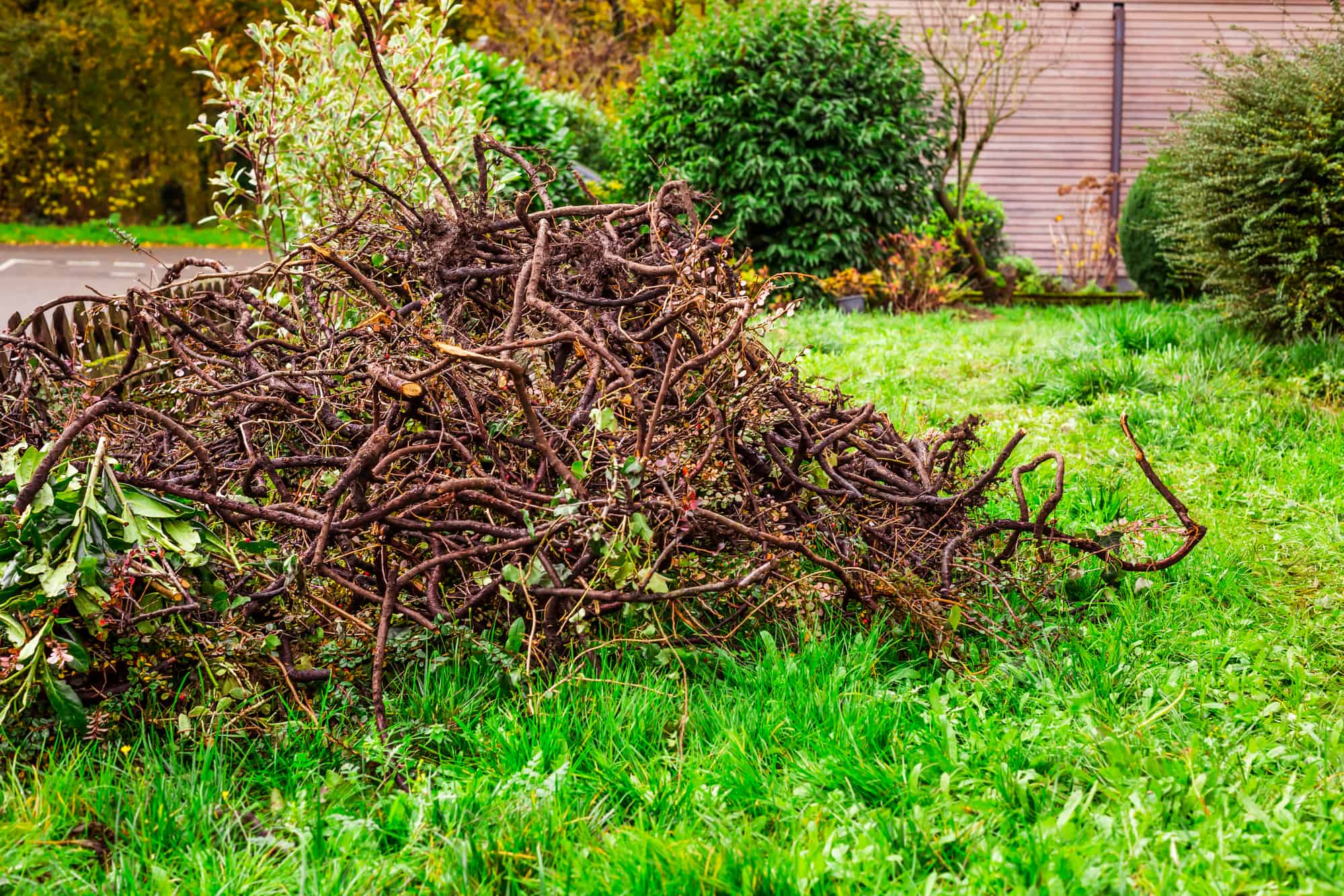

Creating a bird-friendly yard doesn’t require expensive feeders or elaborate landscaping. One of the simplest, most effective strategies is something you can build in an afternoon using materials you probably already have: a brush pile. This humble habitat feature can transform your outdoor space into a thriving haven for dozens of bird species.

The Camera Feeder We Use In Our Own Backyard
See Today's PriceWhy Brush Piles Are a Game-Changer for Backyard Birds

Save this article for later so you don't lose it. Enter your email and I'll send it to you now—plus you'll get my favorite backyard birding tips delivered to your inbox.
Brush piles might look like messy yard waste to human eyes, but to birds, they’re essential real estate. These layered structures provide critical shelter from predators like hawks and cats, offering quick refuge when danger approaches. During harsh weather—whether it’s sweltering summer heat or freezing winter storms—brush piles become vital roosting spots where birds can regulate their body temperature and conserve energy.
The benefits extend far beyond shelter. As a brush pile ages and decomposes, it becomes a buffet of insect life. Beetles, spiders, grubs, and countless other invertebrates colonize the damp, protected spaces between branches. For insect-eating birds like wrens, towhees, and woodpeckers, this represents a protein-rich food source that’s available year-round. Cardinals love foraging in and around brush piles, scratching through leaf litter for seeds and insects. Even ground-feeding species like sparrows and juncos appreciate the cover while they search for food.
What makes brush piles particularly valuable is that they fill a gap in modern suburban landscapes. As we’ve cleared natural debris and tidied our yards, we’ve eliminated the tangled understory habitat that many bird species depend on. A well-constructed brush pile recreates this missing element, essentially bringing a piece of the forest floor into your backyard. The result? You’ll likely see increased bird activity, more species diversity, and breeding birds that feel secure enough to raise their young nearby.
Choosing the Perfect Spot in Your Yard

Location matters when building a brush pile. The goal is to create a safe haven, not a predator trap. If you have bird feeders, position your brush pile about 10 to 15 feet away. This distance is close enough that birds can quickly dart to cover if a hawk appears overhead, but far enough that cats can’t use the pile itself as an ambush point. Birds appreciate having an escape route nearby when they’re feeding in the open.
Look for spots along the edges of your property, particularly areas that border woods or natural spaces. These transition zones already attract birds moving between habitats, so your brush pile becomes a natural extension of their territory. If your yard lacks wooded edges, consider placing the pile in a corner or along a fence line where it won’t obstruct sightlines across your lawn. This positioning also makes it less visually prominent if you’re concerned about neighborhood aesthetics.
Avoid low-lying areas that collect water and stay soggy. While some moisture is fine and actually encourages insect activity, a waterlogged pile becomes less useful as shelter and decomposes too quickly. Similarly, don’t place your brush pile directly against wooden structures like sheds or fences, as the moisture and insects it attracts could eventually damage the wood. A spot with partial sun is ideal—enough light to encourage some plant growth around the base, but not so much that the pile dries out completely and loses its insect-attracting qualities.
Get our free Hummingbird Attraction Guide! Plus, we'll send you our best tips for attracting more birds to your yard.
Step-by-Step: Building a Bird-Friendly Brush Pile

Start your brush pile with a solid foundation. Lay down several large logs or thick branches—pieces that are four to six inches in diameter work well. Arrange these in a crisscross pattern, like a loose game of Lincoln Logs. This base layer is crucial because it won’t decompose quickly, providing stable structure for years. The gaps between these larger pieces also create perfect spaces for beetles, salamanders, and other creatures that birds love to eat.
Next, add a layer of medium-sized branches, roughly one to three inches thick. These can come from tree trimmings, storm debris, or pruned shrubs. Again, crisscross them to create plenty of air pockets and entry points. The goal is a loose, airy structure rather than a dense mat. Birds need to be able to hop through the pile easily, and good air circulation prevents the interior from becoming moldy or inhospitable.
Continue building upward with progressively smaller material. Add thinner branches, woody stems from perennials, and leafy twigs. If you have evergreen clippings—pine, spruce, or cedar branches—these make excellent top layers, especially if you’re building in fall. Evergreen boughs provide dense winter cover that helps birds stay warm during cold nights. The needles also shed water, keeping the interior relatively dry even during rain or snow.
Aim for a final size of about four to six feet across and three to four feet high. Bigger is often better, as larger piles offer more habitat variety and stay structurally sound longer. Don’t worry about making it look perfect. The natural, jumbled appearance is exactly what birds are seeking—something that mimics the fallen branches and tangled vegetation they evolved to use.
One key tip: include some thorny or spiny branches if you have access to them. Raspberry canes, hawthorn trimmings, or rose prunings add an extra layer of predator protection. Smaller birds can navigate through the thorns easily, but cats and other mammals think twice before entering.
Maintaining Your Brush Pile and Watching Birds Thrive

Brush piles aren’t a “build it and forget it” project. As the material decomposes and settles—which is actually part of the value—you’ll want to add fresh layers periodically. Every time you prune trees or shrubs, toss the trimmings onto your pile. After fall leaf cleanup, add some of those leaves to the mix. This ongoing maintenance keeps the structure robust while continuously introducing new insect habitat.
Expect your pile to shrink by about a third each year as decomposition occurs. That’s perfectly normal and beneficial. The rotting wood at the base becomes increasingly attractive to insects, which in turn attracts more birds. After two to three years, you might want to refresh the foundation by adding new large logs, or simply start a second pile nearby.
To maximize the bird-attracting potential, consider planting native shrubs or perennials around the base of your brush pile. Serviceberry, elderberry, or native viburnums provide food in the form of berries while creating additional cover. Native grasses and wildflowers attract even more insects and seed-eating birds. This combination of brush pile and living plants creates a mini-ecosystem that can support an impressive variety of species.
Pay attention to which birds visit your pile throughout the year. In winter, you might spot Carolina wrens, dark-eyed juncos, and white-throated sparrows taking shelter during storms. Spring and summer bring nesting activity—catbirds, brown thrashers, and towhees often build nests in dense vegetation near reliable cover like brush piles. Woodpeckers will probe the decomposing wood for insects, while warblers may glean bugs from the outer branches during migration.
Keep a simple log or use a birding app to track species over time. You’ll likely be amazed at the diversity a single brush pile attracts. With minimal effort and zero cost, you’ve created habitat that rivals expensive feeders in its ability to draw birds to your yard. The best part? You’re not just feeding birds—you’re providing the complete package of shelter, food, and nesting resources that supports healthy populations year-round. Happy birding!
📷 Show us your feeder setup! Share a few photos of your feeders and you might be featured on Wild Bird Scoop. Share your setup →