Who knew that the humble compost pile could become a five-star restaurant for some of North America’s most elusive birds? A growing number of bird enthusiasts are discovering that specific composting techniques can turn their backyard into a thrush magnet, attracting everything from the secretive Wood Thrush to the uncommon Hermit Thrush.

The Camera Feeder We Use In Our Own Backyard
See Today's PriceThe Leaf Litter Layer: Nature’s Bird Buffet

Thrushes are particularly drawn to areas that mimic the natural decomposition process of the forest floor. I’ve found that the key lies in creating what I call a “woodland edge” in your compost system – a specially layered approach that replicates these birds’ natural foraging habitat.
Save this article for later so you don't lose it. Enter your email and I'll send it to you now—plus you'll get my favorite backyard birding tips delivered to your inbox.
The secret isn’t just in what you compost, but how you layer it. Think of it as creating a woodland café, where each layer serves up a different menu item for these discriminating diners.
The Magic Mix That Thrushes Can’t Resist
Thrushes are insectivores that specifically seek out areas rich in decomposing organic matter. Here’s where the magic happens: by maintaining a consistent moisture level in your compost pile and incorporating plenty of fallen leaves, you’re actually creating the perfect habitat for the insects these birds crave.
I’ve discovered that maintaining a ratio of about 70% brown materials (fallen leaves, straw, and small twigs) to 30% green materials (kitchen scraps and fresh yard waste) creates the ideal environment. This mix doesn’t just break down efficiently – it creates a thrush-friendly ecosystem teeming with their favorite insects.
Creating the Perfect Thrush Habitat
The key to attracting these shy birds lies in the placement and structure of your compost area. I’ve found that positioning your pile near the edge of your property, especially if it borders wooded areas, significantly increases your chances of attracting thrush visitors.
Get our free Hummingbird Attraction Guide! Plus, we'll send you our best tips for attracting more birds to your yard.
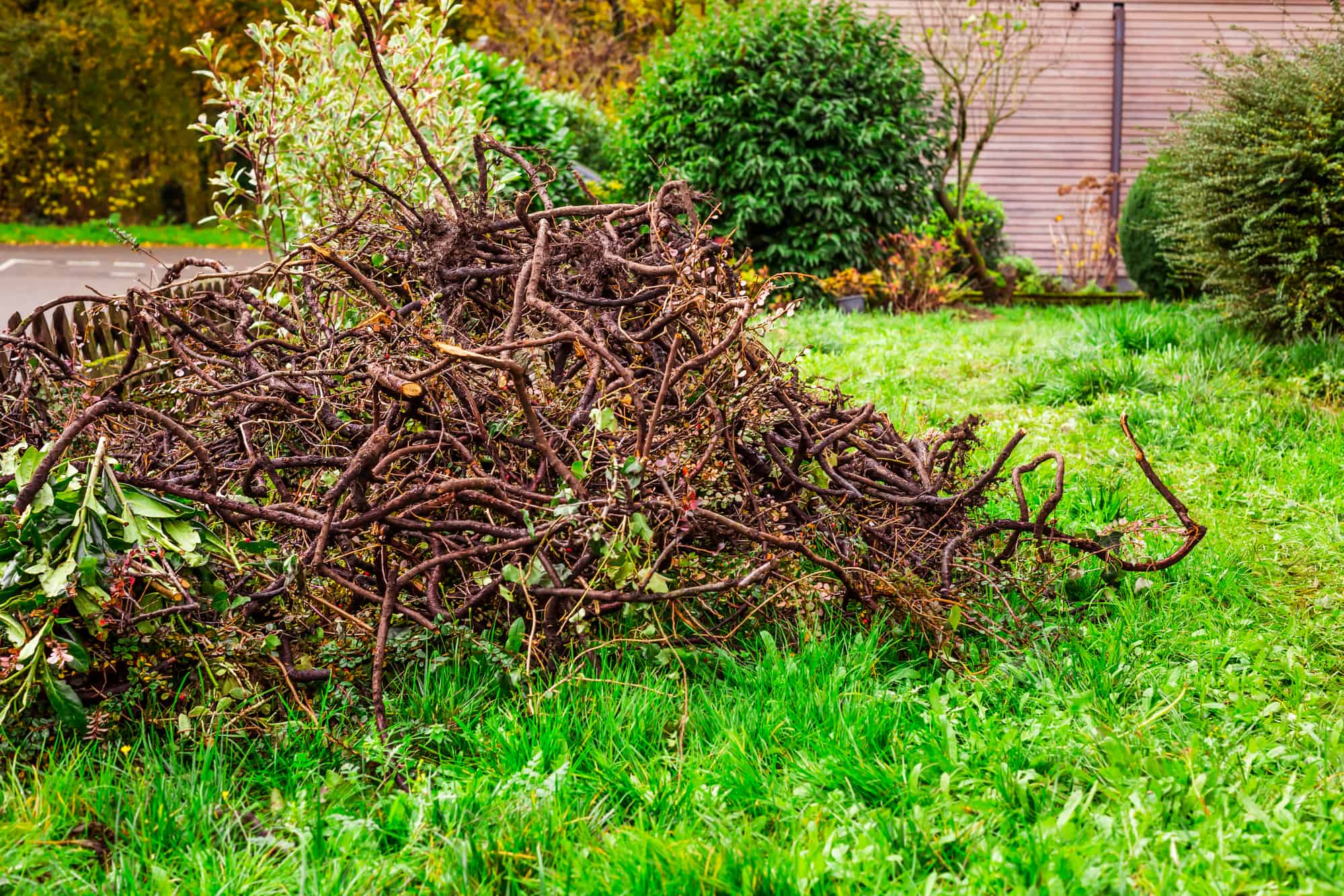
Create what I call “browse rows” – small piles of leaves and woody debris leading from wooded areas to your compost pile. These act like runway lights, giving thrushes protected pathways to approach your compost buffet. Remember, these birds are naturally cautious and prefer to have escape routes readily available.
The Moisture Balance: Critical for Success

Here’s a crucial detail many composters miss: thrushes are particularly attracted to areas with just the right moisture level. Too wet, and the beneficial insects they seek can’t thrive. Too dry, and the decomposition process slows to a crawl.
I’ve found success by maintaining my pile’s moisture at about the consistency of a wrung-out sponge. This sweet spot creates the perfect environment for the insects that thrushes love while keeping the decomposition process running smoothly.
Beyond Basic Composting
To really make your compost pile irresistible to thrushes, consider incorporating these elements:
- Create small brush piles nearby for protective cover
- Maintain a consistent water source within 10-15 feet of the pile
- Add partially decomposed logs to the base of your pile
- Keep cats and other predators away from the area
The real secret is patience. These shy birds need time to discover and trust your habitat. I’ve found that once they do find it, they’ll return regularly, especially during migration seasons.
Remember, you’re not just creating a compost pile – you’re engineering a miniature ecosystem. The thrushes that visit your yard are indicators that you’ve successfully recreated a small piece of their natural habitat.
While it might take a few weeks or even months to attract your first thrush, the reward of seeing these elegant birds investigating your compost pile is well worth the wait. After all, there’s something deeply satisfying about turning your kitchen scraps and yard waste into a gourmet dining experience for some of nature’s most discriminating guests.
📷 Show us your feeder setup! Share a few photos of your feeders and you might be featured on Wild Bird Scoop. Share your setup →