


Your neighbor’s yard might already be winning. Hummingbirds remember exactly where they found food last year, and if that wasn’t your yard, you’re starting behind. But here’s the thing—these tiny birds are also always scouting for upgrades.

Bring Hummingbirds Right To Your Window!
Check PriceA few smart changes right now, before they arrive, can flip the script entirely. Here’s how to make sure they pick you this spring.
Save this article for later so you don't lose it. Enter your email and I'll send it to you now—plus you'll get my favorite backyard birding tips delivered to your inbox.
Hummingbirds return to their breeding grounds with remarkable precision, often arriving at the same yards year after year. But they’re also opportunistic—if your neighbor offers better food, water, or shelter, they’ll stake their claim there instead.
The good news? A few strategic moves right now can make your yard the obvious first choice when those tiny travelers arrive this spring.
Put Up Clean Feeders Early

It is best to put out your hummingbird feeders a week or two before you expect the first hummingbirds to arrive to provide sustenance for any early arrivals. You can put your well-maintained hummingbird feeder out as early as February in some parts of the country.
But most hummingbirds don’t start migrating north until April or May. To attract migrating hummingbirds, put your feeder out a few weeks before they’re expected in your area.
To prevent spoilage, change the nectar every 2-3 days, or even more frequently in hot weather. Rinse feeders thoroughly before refilling.
When it’s time to clean the feeder, use a water and vinegar solution periodically to fully disinfect the feeders.

Aspects HummZinger HighView 12oz Hummingbird Feeder
Plant Native Tubular Flowers

Plant native flowers that bloom in shades of red, pink, or orange. Hummingbirds are particularly drawn to tubular flowers that they can hover over while sipping nectar.
Good choices for New Mexico gardens include bee balm, cardinal flower, and trumpet honeysuckle. Plant plenty of native flowers with tubular blooms like honeysuckle, trumpet vine, bee balm, and sage.
Supplement feeders with fresh edible flowers like nasturtium, fuchsia, and impatiens to provide more nutrients. Ruby-throated hummingbirds feed on small insects or nectar from flowers to fuel their active lifestyles.
So, consider planting native nectar-rich and tubular flowers, like trumpet vine, milkweed, ironweed, and prairie clover in your garden to attract these whimsical birds.
Did You Know?
A single hummingbird visits 1,000–2,000 flowers per day and needs to consume roughly half its body weight in nectar. That’s why flower clusters outperform scattered plantings.
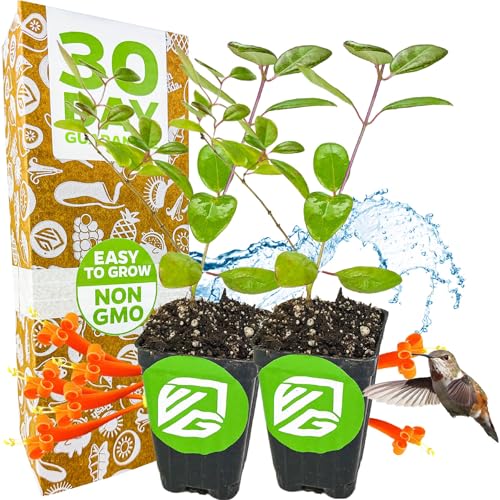
Wellspring Gardens Trumpet Honeysuckle Coral Plant
Add a Moving Water Feature

First, provide a source of fresh water. Hummingbirds are attracted to moving water, so consider installing a small fountain or waterfall.
You can also simply hang a birdbath in your yard and change the water regularly. A fountain bird bath is really enticing to feathery visitors.
It resembles a pedestal bath, but has a spray, drip, or bubble feature in the middle. You can find them as a single basin or with several tiers.
The noise of the water will catch the birds’ attention and encourage them to come visit. These can be solar powered.
This type of bird bath—a solar fountain—has no need for an electrical outlet. Instead, the fountain runs on solar power and keeps the water from freezing by keeping it moving.

AISITIN 2.5W Solar Bird Bath Fountain Pump
Offer Nesting Materials

Get our free Hummingbird Attraction Guide! Plus, we'll send you our best tips for attracting more birds to your yard.
Female hummingbirds build incredibly precise nests using soft plant fibers, spider silk, and lichen, then camouflage them with bits of bark and moss.
You can support nesting efforts by leaving natural materials accessible in your yard. Let native grasses go to seed, leave small piles of pet fur or dryer lint (chemical-free only) in open areas, and resist the urge to clear away all spider webs—that silk is essential for nest elasticity.
Avoid offering synthetic fibers or yarn, which can tangle tiny feet or fail to stretch as nestlings grow. The female will do all the work herself, so your role is simply to provide a well-stocked supply yard.
A hummingbird that successfully nests in your yard will often return to the same territory year after year.

slivche Hummingbird Nesting Material Holder
Provide Nearby Shelter Spots

Hummingbirds need more than just a meal to feel at home in your garden. They need places to perch and water to bathe in and cool themselves down in summer.
Where possible, you should include plenty of trees and shrubs in your space to provide hummingbirds, other birds, and other wildlife with shelter and habitat throughout the year. Plant some shrubs or small trees in your yard to provide shelter for the hummingbirds.
The birds will use these as perches and nesting sites.
Ideally, place feeders close to natural food sources, water, perches, and places of refuge and shelter for the hummingbirds that visit them. Cover should be no further than 10-15 feet away.

Brushtech B122C Hummingbird Feeder Cleaning Kit
Hummingbird Attraction Checklist
Provide a water feature like a mister or fountain for bathing and drinking. Avoid pesticides that could impact hummingbird food sources.
Keep feeders clean, change the nectar regularly, and use only white granulated sugar for homemade nectar. Hummingbirds are attracted to flowers with ample nectar, and they also eat small insects and sugar water from hummingbird feeders.
Their favorites tend to be tubular, brightly colored blooms that provide easy access to sugary nectar.
| What to Do | When to Do It | Why It Works |
|---|---|---|
| Hang clean feeders | 2+ weeks before expected arrival | Exhausted migrants need immediate calories |
| Mix 1:4 sugar water | Every 3–5 days (more in heat) | Prevents mold; skip the red dye |
| Plant native tubular flowers | Early spring (or fall for perennials) | Provides nectar + insects for protein |
| Add a mister or solar fountain | Before migration season starts | Moving water is irresistible to hummingbirds |
| Leave spider webs intact | Year-round | Silk is essential for stretchy, durable nests |
| Provide shelter shrubs & perches | Year-round | Resting spots turn a pit stop into home base |
Hummingbird Nectar Recipe
Homemade Hummingbird Nectar (The Only Recipe You Need)
Ingredients: 1 cup plain white sugar + 4 cups water
The Audubon Society’s basic hummingbird nectar recipe is the standard: bring 1 cup of tap water to a boil on the stove. Mix in ¼ cup of regular white sugar and stir until dissolved.
Let it cool completely before you put it in your clean feeder. Every two to three days, dump out any old syrup and refresh with new nectar.
Use a basic ratio of 1 part white sugar dissolved in 4 parts water. Again, do not add food coloring or honey, as these may be harmful.
You can store extra nectar in the refrigerator for up to two weeks! Providing fresh, clean nectar will ensure healthy birds.
You can store extra hummingbird nectar in a glass jar in the fridge for up to two weeks. But keep an eye on it–if there are any signs of mold, throw it out and start over.
Important: Never use honey, artificial sweeteners, or red dye. Plain white sugar dissolved in water is the closest thing to natural flower nectar, and it’s all hummingbirds need.
Pro Tip
Make nectar in batches and store extra in the fridge for up to two weeks. Having ready-to-pour nectar on hand means you’ll actually keep feeders fresh instead of procrastinating the refill.
Frequently Asked Questions
To prevent spoilage, nectar in feeders should be replaced every 2-3 days, or more frequently in hotter conditions. Always thoroughly rinse hummingbird feeders before refilling to keep the nectar fresh.
With the right feeder and fresh nectar, you can successfully draw hummingbirds to your garden. The size of your hummingbird feeder should be based on how many hummingbirds you have visiting your yard and how frequently you will be replacing the nectar water.
When should I put out hummingbird feeders in the spring?
Put feeders out at least two weeks before hummingbirds typically arrive in your region. In the southern U.S., that can be as early as late February. In northern states, mid-to-late April is usually safe. Check migration tracking maps from Journey North for real-time sighting reports near your zip code.
Do hummingbirds actually come back to the same yard every year?
Yes. Hummingbirds have excellent spatial memory and often return to the exact feeders and flower beds they used the previous year. Banded hummingbird studies have documented individual birds returning to the same backyard for a decade or more. That’s why getting set up before they arrive matters so much—first impressions stick.
Why shouldn’t I use red dye in my hummingbird feeder?
Red dye is unnecessary and potentially harmful. The red color on the feeder itself is enough to attract hummingbirds. Studies have raised concerns that synthetic dyes may damage hummingbird kidneys over time. Plain sugar water in a red-colored feeder is all you need.
What’s the best type of feeder—bottle or saucer style?
Saucer-style (dish) feeders are generally easier to clean, less prone to leaking, and simpler to maintain. Bottle feeders hold more nectar but can drip in warm weather and are harder to clean thoroughly. If you’re choosing one, a saucer feeder with a built-in ant moat is hard to beat.
Can I attract hummingbirds without a feeder?
Absolutely. Hummingbirds survived for millions of years without feeders. Native tubular flowers like coral honeysuckle, bee balm, trumpet vine, and cardinal flower are excellent natural food sources. A yard with diverse, staggered-bloom native plants, a water mister, and good shelter can attract just as many hummingbirds as one with feeders—sometimes more.
How do I keep ants and bees away from my hummingbird feeder?
Use a feeder with a built-in ant moat and fill it with plain water—ants can’t swim across it. For bees and wasps, choose feeders with bee guards or saucer-style feeders where the nectar sits below the ports, out of reach of shorter insect tongues. Avoid feeders that drip, since leaked nectar attracts every insect in the neighborhood.
Get hummingbirds first this spring
| Spec | What our writers say |
|---|---|
| Hang feeders | A week or two before the first arrivals; as early as February in some areas |
| Typical timing | Most do not migrate north until April or May |
| Recipe | 1 cup tap water boiled with 1/4 cup white sugar, cooled |
| Store extra | Refrigerator up to two weeks; toss if you see mold |
| Flowers | Bee balm, cardinal flower, trumpet honeysuckle, trumpet vine, milkweed |
| Water | A small fountain, waterfall, or solar fountain in the bath |
| Cover | Trees and shrubs no further than 10-15 feet from feeders |
| Skip | Pesticides; use only white granulated sugar |





