As temperatures get colder, natural sources of water become frozen. This makes things difficult for the birds that visit your backyard. Water becomes inaccessible, causing cardinals, chickadees, juncos, and other winter birds to look for other places to get water. During winter, a properly maintained bird bath can make great addition to your backyard. An improperly set up bird bath, however, can make things worse. Before the next freeze arrives, take these important steps. Your birds will appreciate it.

Bring Hummingbirds Right To Your Window!
Check PriceWhy Winter Water Should Be a Top Priority
Water is important for birds all year, even when it is cold outside! Birds need to find drinking water and water to maintain their feathers. In fact, when it's freezing outside, birds will find open water to help with their feathers. Birds will bath, even in freezing temperatures because it's important for the insulation and conditioning of their feathers. When natural water sources freeze, bird baths freeze, however, they become incredibly important for the community. However, it is very helpful for the community.
Save this article for later so you don't lose it. Enter your email and I'll send it to you now—plus you'll get my favorite backyard birding tips delivered to your inbox.
During the winter, water sources can turn from a helpful resource to a dangerous hazard due to build-up of ice, placement issues, or heating method problems. Birds can be injured or frightened away due to the problems above. The good news is that there are simple winterizing measures that will help keep your birdbath safe the entire winter.
The 5 Key Safety Checks For Every Bird Bath
1. Fix the Depth Problem
Birdbaths should be appropriately shallow (no more than one or two inches deep) at all points of the basin. This is so birds can wade in and not get soaked — especially in the winter when the weather is cold. If your bird bath basin is too deep, you can add clean stones or river rocks so that there are shallow ledges at various levels. This will allow access to the bird bath for smaller birds (like chickadees) and still will have enough water for the larger birds.

FANTIAN 5 lbs Polished Black River Rocks
Check PriceThe black river rocks are smooth, so they won't have any edges that are sharp enough to hurt birds feet. They are the right size, 1-2 inches, and are dark rock which means they'll soak up some heat from the sun during the winter. Place them on the bottom of your bird bath to create varying depths. They will also look better than regular gravel and won't affect the water quality.
2. Check Your Placement and Stability
Winter storms, Ice expansion, and even the local wildlife can topple an unstable bird bath. Bird baths should be placed on solid, level ground, or a sturdy level pedestal. If the bird bath rocks even slightly, it may need to be picked up and adjusted or reinforced with some sort of stabilizing support. Tipped bird baths can injure or even trap birds as a result of the tipping, especially in the case of tipping due to ice.
The best place to put your bath is open, but still sheltered from the annoying winds. You will want to be able to see the bath from your window, to watch the comings and goings of the birds. Placing the bath near the evergreen shrubs is even better because they will give the birds an escape cover from predators, but you must keep the bath 10 feet from the dense bushes where cats might be hiding.
3. Deep Clean Before the Freeze
Algae and bacteria are not affected by winter. Before the cold sets in, be sure to clean your bird bath thoroughly. Mildew can be scrubbed with a stiff-bristle brush and a mixture of 1 part white-vinegar to 9 parts water. Be sure to rinse the bird bath thoroughly after cleaning. Clean the bird bath with vinegar during the winter anytime debris, droppings or discoloration appears. Keeping the water clean and free of disease will entice birds to the bath.
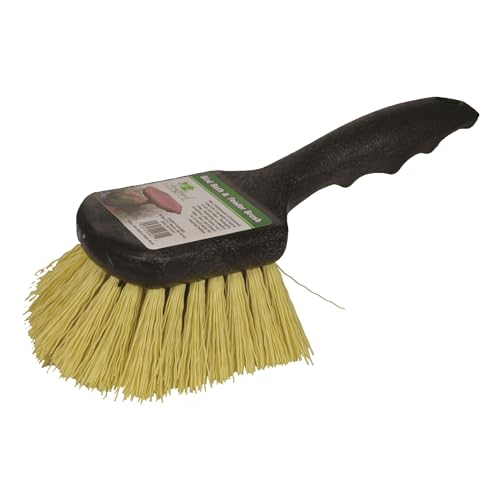
Songbird Essentials Brush for Bird Baths
Check PriceThe Songbird Essentials brush is built for bird baths. The bristles are designed to help scrub clean algae without scratching the basin. It is made to work on concrete, ceramic, plastic, or whatever bird bath materials you need. Make sure to keep one for the bird bath so you can keep it separate from the grill cleaning brush.
4. Get Your Electrical Setup Correct
While using a heat source to prevent water from freezing check that all wire components are rated for outdoor use and are grounded. Inspect wires for damage, and check for frays or exposed wires. Do not use extension cords that are not rated for outdoor winter use. Keep wires and cords positioned to avoid tripping hazards and so they are not covered by snow or ice. If you see any electrical problems replace the equipment. Your and the birds' safety is most important.

Watt's Wire 25 ft Outdoor GFCI Extension Cord
Check PriceThis extension cord is a must have for winter bird bath heaters. The cord is 12-gauge and uses heavy-duty wire that won't crack in cold temps. It also has built-in GFCI protection that will cut power if there is an issue and a weatherproof jacketing. The 25-foot length will help you avoid daisy-chaining multiple cords (which you shouldn't do anyway).
One more thing: keep the connection point where your heater plugs into the extension cord protected. Water and electricity don't mix, and snow melt will exploit any opening.

Flemoon Outdoor Extension Cord Safety Cover
Check PriceMoisture is the enemy of electronics so keep them dry. These cord covers snap together around the plug connection to keep moisture out. For a few dollars on the internet, save yourself the headache of replacing or repairing a tripped breaker. Also hang them off the ground to avoid snow melt.
5. Prepare a Strategy to Prevent Ice
Using a heater does not mean you are free from watching for dangerous ice formation around your bath. During extreme cold, ice can form on your bathing area. Check your bath area daily. If you see ice forming, warm (not boiling!) water can be poured to melt it. PLEASE DO NOT USE ANY CHEMICALS, SALT, OR EVEN ANTIFREEZE as they are all extremely harmful/bad for birds. Remove ice formed at your bath gently. To reduce freezing, try to put your bath in a sunny spot every day.
How to safely choose and use a bird bath heater
A good bird bath heater will make winter water maintenance drastically easier. Make sure to check for bird bath specific heaters, and not generic de-icers meant for livestock tanks. The average bird bath heater uses around 50-150 watts and is thermostatically controlled to only work when necessary so you won’t break the bank heating your bird bath.
Get our free Hummingbird Attraction Guide! Plus, we'll send you our best tips for attracting more birds to your yard.
Best De-Icer for Existing Bird Baths
Choose the best heater considering the material of the bath. With plastic baths, lower-wattage heaters are needed to prevent melting or warping. Higher wattage can be handled by metal and concrete baths. Submersible heaters are in the water so they're less visible, and mounting models are attached to the edge of the basin. Both types work well, so choose depending on the design of your bath.
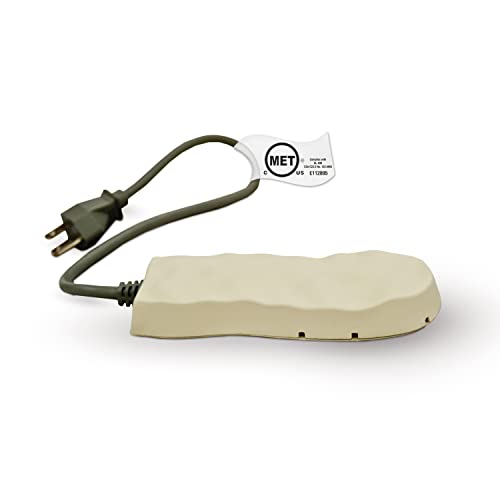
K&H Pet Products Birdbath Deicer 50W
Check PriceBirding communities recommend the K&H Ice Eliminator as their go-to bird bath heater. It uses 50 watts and costs anywhere from $1-$3 a month! It has a thermostat and only turns on when needed keeping your bird bath ice-free down to -20°F. When it comes to the look of the K&H Ice Eliminator Heater it isn't all that bad and if you're finicky about the design, you can spray paint it to match your bird bath. This bird bath heater will not rust, stain, or harm your plastic bird bath. It comes with a three-year warranty and is MET safety certified.
If you have larger baths or extemely cold climates, you may want to go with the 80-watt version:
Installation Basics
Heater installation is simple, but important. Make sure to follow the manufacturer's instructions carefully. Make sure the heater is sitting flat in the basin. Make sure the water is at a level that keeps the heating element submerged. Exposed heating elements can burn out and create fire hazards. Use a GFCI-protected outlet. This will limit the chance of electrical shock.
Indoor extension cords can only be used indoors. If they are used outdoors they could melt. Take care to remember not to place heaters in cracked basins as water can seep into the electrical components and cause a problem. It’s a good idea to use a reminder to inspect your heated bath every few days so serious problems can be avoided. It’s a good idea not to use extension cords.\ as they can be harmful to your pets and could walk around and be discovered and could cause serious problems.\
Want an All-in-One Solution?
If you don't have a bird bath set up yet or want something that is custom-built for winter, a heated bird bath with built in element takes away all the guess work.

Farm Innovators BD-75 Heated Terracotta Birdbath
Check PriceBudget Friendly Options, Shallow Basin, and Safe For Small Birds. Farm Innovators 3-in-1 provides a budget solution. You can mount this heater three different ways, including deck post, rail clamp, or ground legs with included hardware. Offers a 75-watt heater that is thermostatically controlled. The cord tucks away for summer and allows it to work year-round. The main concern from customers is how shallow the basin is. The bowl needs to be refilled more than you'd like. The shallowness of the basin is a bird safety feature, allowing it to stay safe while using this product.
Easy Everyday Bird Care to Keep Them Coming Back
Bird baths in the winter can be maintained with ease if a few daily tasks are completed. Simply establish a routine to check the water levels, remove any debris from the bath like fallen leaves, ice, or seed hulls, and break the ice with a heater if necessary. A few minutes a day to complete these tasks is all that is necessary and will make a big difference.
When topping off, please refill with lukewarm water and not ice-cold tap water. This small consideration helps your heater work more efficiently and helps the thirsty birds right away. To make refilling easier, keep a pitcher or watering can next to your back door.
Monitor visitor patterns. If bathing birds suddenly stop using your bird bath, investigate immediately. Your heater may have failed and the water could have frozen. The bath may have tipped over during a storm. Quick responses ensure your water source remains reliable.
About every week or two, conduct a more thorough inspection. Evaluate the heater wiring, check the stability of the basin, and clean all the equipment thoroughly. These types of preventive actions upkeep small issues before they develop into more complex problems.
After these changes, your bird bath will be a cozy oasis for all of the winter birds! It will be fun to watch the chickadees splash around, the cardinals drink carefully from the sides, and the juncos wait patiently for their turn. During the winter, providing safe water will be one of the best things you can do for the birds visiting your backyard!
Frequently Asked Questions
Can I use hot water to prevent my bath from freezing?
Adding warm water can help with melting the surface ice on your bird baths, but please do not use boiling water. Boiling water can cause thermal shock and crack your concrete and ceramic bird baths. Also, adding hot water a couple of times a day will not take the place of a heater. The water will cool quickly, and the birds will need access to the water multiple times throughout the day. It is also easier to purchase a $25-40 de-icer that runs at a cost of pennies per day than trying to be a human bird bath attendant.
Can birds safely bathe in below freezing temperatures?
Yes, birds have been doing this for millions of years, and they know what to do. Birds take quick dips and splashes, not long, drag in the water swims. Their feathers are water resistant and trap layer of insulation. After they bathe, they fluff up and preen to restore their insulation. Birds are less likely to bathe in extreme cold (more likely to drink). Birds that do bathe are not in danger.
Will a bird bath heater warm up the water?
No. Bird bath heaters only stop the water from freezing and will keep it just above 32°F. The water will feel cold to you. But actually, this is what you want. Birds like cool water, and a bird bath warmed in winter would be odd for the birds and would waste electricity.
What are the signs that my heater is working?
When it's cold outside you should be able to see open water in your bath. If your entire bath freezes, there is a problem with your heater, such as it being unplugged or the outside temperatures are beyond the heater's rated capacity. Most quality heaters are rated to -20°F. If you touch the water on a cold day, be careful. If you have a thermostatic model, it won't feel warm because it only drops below about 35°F. If you have a thermostatic model, it won't feel warm because it only drops below about 35°F.
Can I use antifreeze or salt to keep water from freezing?
No way. Both are poison to birds. Antifreeze (even in small amounts) is deadly to people and to wildlife. Salt is highly poisonous to bird's kidneys. There are no safe chemical additives. If you cannot use an electric heater, use the old-fashioned methods, like adding warm water to the bath regularly, using dark rocks to absorb heat, and placing the bath in a sunny location.
What should I do if I don't have an outdoor electrical outlet?
You have a couple of choices. An extension cord made for outdoor use will reach from an indoor outlet through a window or door (use weatherstripping to seal the gap). You could also consider getting an outdoor GFCI outlet installed by an electrician. If you are serious about winter birding, this will be a good investment. Some people use baths that are heated by solar power, but to be honest, the reviews are mixed about whether or not these baths actually help in very cold temperatures.
How often should you replace the water in winter?
At least once every 2-3 days, perhaps more frequently if you see debris or a change in color. Hot water will evaporate even faster than you think, especially dry winter air. Most likely you will need to refill it daily. When refilling, use lukewarm water. It will make the heater work more efficiently. It will also give the birds instant access to water.
Will I still need to clean the bathtub during winter?
Yes, bacteria and algae will slow down with the cold water, but won’t stop completely. And accumulate debris, droppings, and feathers still will. Scrub the bath every week or two with a stiff brush. A good natural disinfectant works at a ratio of 1:9 (vinegar: water) and should be rinsed thoroughly before the bath is refilled.
If the concrete bird bath is cracked, we recommend strongly against using it with a heater. Concrete is porous and retains water, and with the added heat, cracks can expand and more serious damage can occur. The bath may even break apart, exposing dangerous sharp edges. Additionally, if the bath cracks further, it may create larger areas for stagnant water, which can lead to mosquito breeding and can be an attraction for children.
Incorrect. Moisture getting into cracks may contact electrical parts, resulting in potential shock and fire hazards. Additionally, if moisture freezes, it will expand, worsening the situation. Do not put any heating devices in your basin if it is cracked—replace it first. Some people have been able to successfully close small cracks with some kind of waterproof concrete sealant, but if the crack runs through to the underside, you need a new bath.
What is the best depth for a winter bird bath?
When making your bird bath, make sure that the bottom of the basin is no deeper than 1-2 inches in some areas. Small birds, such as chickadees and juncos, need shallow areas to stand safe from predators. The large birds, such as cardinals and robins, can use deeper sections of the bath (up to three inches) but every bath should have shallow areas. Putting in rocks helps create a bottom with varying depths while also giving birds footholds to perch on while bathing. If your bird bath is deeper than three inches throughout, then it is too deep for safe winter use. Be sure to add plenty of rocks during the winter to raise the bottom.
Happy birding!