


Spring storms can turn a cozy birdhouse into a dangerous trap for vulnerable hatchlings if the entrance faces the wrong way. The good news? Getting the orientation right is one of the simplest, most effective things you can do to boost nesting success in your backyard.
Why Birdhouse Direction Makes a Real Difference for Nesting Birds

Save this article for later so you don't lose it. Enter your email and I'll send it to you now—plus you'll get my favorite backyard birding tips delivered to your inbox.
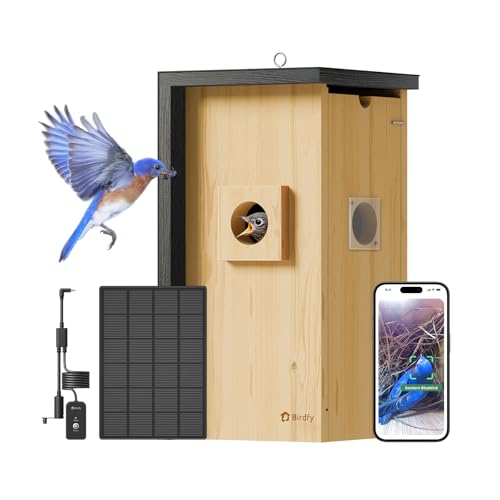
Birdfy Solar Powered Bird House with Camera
Check PriceBirdhouses facing the right way protect eggs and hatchlings from wind, rain, and extreme temperatures, boosting nesting success in your backyard. When a birdhouse entrance faces directly into prevailing winds or driving rain, water can flood the nest box, chilling eggs or even drowning young birds. Wind chill can lower temperatures inside the box by several degrees—enough to stress parent birds and compromise the development of nestlings.
On the flip side, an entrance facing the wrong direction during hot afternoons can turn the interior into an oven, especially during those unseasonably warm spring days. Young birds can’t regulate their body temperature well, so they’re particularly vulnerable to both extremes. The orientation you choose creates a microclimate inside that box, and getting it right means the difference between a thriving brood and an abandoned nest.
Think of it this way: parent birds work hard enough gathering food and defending territory. The least we can do is give them a home that doesn’t fight against them when the weather turns rough.
The Best Direction: East or Southeast for Morning Light and Storm Protection

Orient the entrance east or southeast to catch gentle morning sun while shielding from prevailing winds and afternoon heat common in spring storms. This sweet spot works for most of North America, where weather systems typically move from west to east and the strongest winds blow from the west or northwest.
Morning sun warms the box gently after cool nights, encouraging parent birds to get an early start on feeding. But by late morning, the entrance is already in shade, preventing overheating during the warmest part of the day. Meanwhile, that orientation keeps the entrance turned away from the driving rains and wind gusts that accompany most spring storm fronts.
An east-facing entrance also means less exposure to the intense afternoon sun that beats down from the south and west. During those surprise heat waves that hit in late spring, this can literally be a lifesaver for nestlings packed tightly in a small wooden box.
Southeast works particularly well if you live in an area where early morning temperatures stay cool longer, or if your yard has a bit of afternoon shade from the south. It’s a forgiving direction that balances warmth, light, and protection beautifully.
Check Your Local Winds Before Hanging That Birdhouse

Observe your yard’s dominant wind patterns with a simple weather vane or app to ensure the entrance faces away from gusts that could chill or endanger young birds. General guidelines are helpful, but your specific location might have quirks—maybe you’re in a valley where winds funnel from a different direction, or near a coast where sea breezes dominate, or in a neighborhood where buildings create unusual wind tunnels.
Spend a few days noticing which way trees bend during storms and where leaves pile up afterward. Check your local weather service for prevailing wind data, or use a free weather app that shows wind direction. Some folks like to tie a simple ribbon to a stake in different parts of the yard and watch which way it blows during typical spring weather.
Pay special attention during actual storms. That’s when you’ll see the real story—which side of your house or shed stays dry, where puddles form from driving rain, and which direction the nastiest gusts come from. This information is gold when you’re deciding exactly where and how to mount your birdhouse.
If your prevailing winds come from an unusual direction—say, from the south due to local geography—adjust accordingly. The principle stays the same: face the entrance away from those dominant winds, even if that means going with a northeast orientation instead of the standard east or southeast.
Pair the Right Direction with Smart Placement Near Shelter

Position birdhouses near shrubs or trees on the leeward side for extra wind block, giving birds a safe spot without easy predator access. The best location combines your careful orientation with natural windbreaks that buffer the worst of spring’s temperamental weather.
A birdhouse mounted on a pole 15 to 20 feet from a dense shrub or small tree cluster gets the benefits of nearby shelter without creating a predator highway. The vegetation breaks the wind, provides cover for fledglings making their first flights, and gives parent birds convenient perching spots for scouting before entering the box.
Get our free Hummingbird Attraction Guide! Plus, we'll send you our best tips for attracting more birds to your yard.
The leeward side—the side sheltered from prevailing winds—is key. If your strongest winds come from the west, position the birdhouse on the east side of a windbreak, with the entrance facing away from that shelter (to the east or southeast). This creates a protected pocket where the box sits in relative calm even when the weather turns nasty.
Avoid placing boxes directly under dense tree canopies, though. You want nearby shelter, not overhead cover that blocks warming sun, drips endlessly after rain, or provides launching points for squirrels and cats. Partial sun with nearby windbreaks is the ideal combination.
Open areas work too, especially for species like bluebirds that prefer hunting from exposed perches. Just make sure you’ve got that entrance oriented perfectly, since there won’t be extra shelter to compensate for mistakes.
Extra Features to Weatherproof Against Spring Rains

Add sloped roofs with overhangs, drainage holes, and thick walls to keep nests dry and insulated when storms hit from the wrong direction. Even with perfect orientation, spring weather can throw curveballs—sudden wind shifts, sideways rain, or extended wet periods that test any nest box.
A sloped roof that extends at least 2 to 3 inches beyond the entrance hole creates an overhang that sheds water away from the opening. Think of it like the brim of a hat—rain runs off and drips clear of the entrance instead of streaming inside. The slope should angle from front to back, so water doesn’t pool anywhere.
Drill four small drainage holes (about 1/4 inch) in the floor corners of any birdhouse. These let moisture escape if rain does get inside, preventing the nest material from becoming a soggy, cold mess. They also provide crucial ventilation on those unexpectedly hot spring days.
Wall thickness matters more than most people realize. Birdhouses built from wood at least 3/4 inch thick provide much better insulation than thin boards or decorative houses. That thickness moderates temperature swings, keeping the interior warmer on chilly nights and cooler during heat spikes. Cedar and pine both work well and weather beautifully.
Ventilation holes near the roof line (1/4 inch, one on each side) help hot air escape without creating drafts at nest level. Some designs include a small gap between the roof and walls—perfectly fine as long as it doesn’t let rain blow in.
Skip any birdhouse with a perch under the entrance hole. They’re unnecessary for cavity nesters and actually make it easier for predators to cling while reaching inside. A simple, well-built box with the features above will outperform a decorative one every time.
Species-Specific Tips for Backyard Favorites Like Bluebirds and Wrens

Bluebirds prefer east-facing boxes in open spots while wrens like sheltered tree mounts, all oriented away from winds to safeguard hatchlings. Understanding your target species helps you fine-tune both direction and placement for maximum success.
Eastern Bluebirds thrive with boxes facing east or southeast, mounted on poles 4 to 6 feet high in open areas with short grass. They hunt insects from low perches, so they want a clear view of the surrounding area. Position boxes at least 100 yards apart if you’re putting up multiple units, and keep them away from dense woods where House Sparrows and predators are more common. The open placement means orientation is critical—there’s no natural windbreak to help you out.
Carolina Wrens and House Wrens are more flexible about habitat but still benefit from east or southeast orientation. They’ll nest closer to human activity and don’t mind a box mounted on a tree trunk or under an eave, as long as it’s 5 to 10 feet high. The extra shelter these locations provide means you have a bit more wiggle room with direction, but still aim to keep the entrance away from prevailing winds.
Chickadees and Titmice prefer boxes at the edge of wooded areas, 5 to 15 feet high. East-facing works beautifully, especially if you can position the box on the woodland edge where it gets morning sun but afternoon shade from nearby trees. These adaptable birds appreciate the extra wind protection that light forest cover provides.
Tree Swallows like open areas near water and will use boxes facing almost any direction, but east or southeast still gives them the edge during spring storms. Mount boxes 4 to 8 feet high on poles, and if you’re putting up multiple boxes for a colony, keep them at least 15 feet apart with consistent orientation across all boxes.
Whatever species you’re hoping to attract, check the entrance hole size carefully. Bluebirds need 1.5 inches, chickadees do well with 1.125 inches, and wrens aren’t picky—anything from 1 to 1.5 inches works. The right hole size keeps larger, more aggressive species from taking over.
Quick Steps to Get Your Birdhouse Storm-Ready Today

Mount securely on poles with predator guards, check orientation with your phone compass, and monitor for adjustments as spring weather shifts. Getting your birdhouse up and oriented correctly doesn’t require special tools or expertise—just a bit of attention to detail.
Start by using your smartphone compass app to identify true east or southeast. Stand where you plan to mount the box, hold your phone flat, and note the direction. Mark it with a stick or stone so you don’t lose your bearings while you’re working.
Install a baffle or predator guard on any pole-mounted birdhouse. A simple stovepipe baffle positioned about 4 feet off the ground stops raccoons, cats, and snakes from climbing up. This matters just as much as orientation—a perfectly placed box won’t help if predators can reach it easily.
Secure the birdhouse firmly so it doesn’t twist in the wind. A box that spins around defeats your careful orientation work. Use galvanized screws or bolts, not nails, and make sure pole-mounted boxes have stable bases that won’t shift or tip.
Check drainage holes before hanging the box. Pour a cup of water inside to make sure it drains quickly from those corner holes. Add ventilation holes if they’re missing. These small details make a real difference when storms arrive.
Put up birdhouses in late winter or very early spring—February through early March in most regions. This gives birds time to discover them before nesting season peaks. Some species scout locations weeks before they actually build, so early placement helps.
After the first big spring storm, take a quick look at your birdhouse. Is the entrance staying dry? Is water draining properly? Does the box seem stable? Sometimes small adjustments—a slight rotation, an added wind block, or tightening a mount—make all the difference for the season ahead.
Keep a simple log of which boxes get used and which don’t. Over time, you’ll learn exactly what works in your specific yard. Maybe your southeast-facing bluebird box gets used every year while the east-facing one sits empty, or vice versa. That local knowledge becomes invaluable.
The effort you put into proper orientation pays off in real, measurable ways. When spring storms roll through and you see parent birds still faithfully tending their nests in your carefully positioned boxes, you’ll know you got it right. Those small decisions—direction, placement, weatherproofing—add up to give nesting birds their best shot at raising healthy broods right in your backyard.
Happy birding!