


Creating a hummingbird haven doesn’t happen overnight. By planting these nectar-rich flowers now, you’ll enjoy a constant stream of these magical visitors all summer long. Here’s your expert guide to the best plants, when to plant them, and how to maintain them for maximum hummingbird attraction.
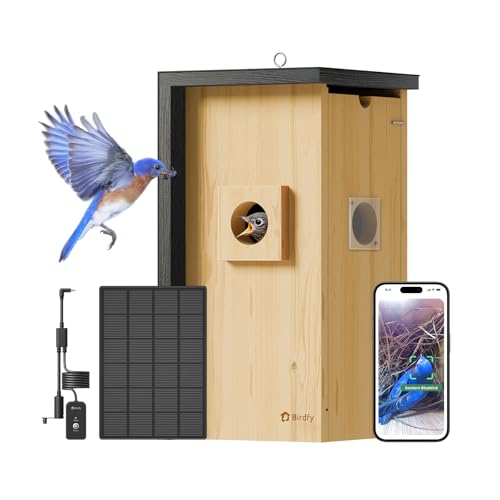
Birdfy Solar Powered Bird House with Camera
Check PriceTrumpet Honeysuckle (Lonicera sempervirens)

This native vine is the crown jewel of any hummingbird garden. Start seeds indoors now or prepare outdoor spots for early spring planting. Its long, tubular flowers produce nectar levels perfectly suited for hummingbird beaks, and the vine blooms from spring through fall. Plant along fences or trellises for vertical interest. Unlike its invasive Japanese cousin, this well-behaved native variety won’t take over your garden.
Save this article for later so you don't lose it. Enter your email and I'll send it to you now—plus you'll get my favorite backyard birding tips delivered to your inbox.
Cardinal Flower (Lobelia cardinalis)

Don’t let its delicate appearance fool you – this native powerhouse is a hummingbird magnet. Start seeds indoors 8-10 weeks before last frost for summer blooms. The brilliant red spikes emerge when many other flowers are fading, providing crucial late-season nectar. Thriving in partial shade, it’s perfect for woodland gardens and moist areas. Plant in groups of three for maximum impact.
Bee Balm (Monarda didyma)

Also known as Oswego Tea, this member of the mint family creates a buffet of tubular flowers that hummingbirds can’t resist. Start seeds indoors now or divide existing plants in early spring. Available in red, pink, and purple, it spreads readily to form impressive clumps. Choose mildew-resistant varieties like ‘Jacob Cline’ for best results in humid areas.
Salvia ‘Hot Lips’

This hardy perennial offers a unique two-tone display of red and white flowers that bloom continuously from late spring through fall. Start from cuttings now or plant nursery starts in spring. Its compact size makes it perfect for containers and borders. Drought-tolerant once established, it’s a low-maintenance choice that delivers high impact for hummingbird attraction.
Coral Bells (Heuchera)

While primarily grown for their colorful foliage, their delicate flower spikes are hummingbird favorites. Start seeds indoors now or divide existing plants in early spring. Modern varieties offer stunning leaf colors from purple to caramel, providing year-round interest. Plant in partial shade where their airy blooms can dance above the decorative leaves.
Get our free Hummingbird Attraction Guide! Plus, we'll send you our best tips for attracting more birds to your yard.
Penstemon ‘Firebird’

This native charmer produces tall spikes of tubular red flowers that hummingbirds find irresistible. Start seeds indoors 8-10 weeks before last frost. The long-blooming period can extend through summer with regular deadheading. Drought-resistant and hardy, it’s perfect for low-maintenance gardens and natural landscapes.
Weigela Florida

This spring-blooming shrub offers a reliable foundation for any hummingbird garden. Plant bare-root specimens now while dormant. Modern varieties like ‘Wine and Roses’ feature dark foliage that contrasts beautifully with the pink trumpet-shaped flowers. A bonus second bloom often occurs in late summer, providing extended nectar sources.
Fuchsia ‘Gartenmeister Bonstedt’

Unlike fussy hanging basket varieties, this heat-tolerant fuchsia stands up to summer temperatures. Start cuttings indoors now for spring planting. Its long, coral-red tubular flowers bloom continuously until frost, making it a steady nectar source. Perfect for containers or garden beds where its upright habit can shine.
Butterfly Bush ‘Miss Molly’

This compact variety offers all the benefits of traditional butterfly bush without the overwhelming size. Plant bare-root specimens now in warmer zones. Rich magenta flowers bloom all summer, attracting hummingbirds and butterflies alike. Regular deadheading promotes continuous blooming through fall.
Columbine (Aquilegia canadensis)

This early-blooming native provides crucial nectar when hummingbirds first return in spring. Start seeds indoors now or direct sow in fall. The unique spurred flowers in red and yellow appear just when they’re needed most. Self-seeds readily, creating natural drifts perfect for woodland gardens.
Agastache ‘Ava’

This long-blooming perennial combines showstopping flowers with aromatic foliage. Start seeds indoors now for summer blooms. The tall spikes of tubular flowers in sunset colors provide nectar from summer through fall. Drought-tolerant and deer-resistant, it’s a problem-solving plant that hummingbirds adore.
Cuphea ‘Vermillionaire’

This non-stop bloomer produces hundreds of tiny, tubular flowers perfect for hummingbirds. Start cuttings indoors now or plant nursery starts in spring. Its compact growth habit makes it ideal for containers and borders. Heat-tolerant and low-maintenance, it blooms continuously without deadheading.
Lupine ‘Gallery Red’

These stately spires provide early summer drama and hummingbird sustenance. Start seeds indoors now, as they need cold stratification to germinate. The pea-like flowers in rich red tones create a dramatic backdrop for any garden. Though short-lived, they readily self-seed for ongoing displays.
Phlox ‘Bright Eyes’

This summer classic combines fragrant flowers with steady nectar production. Divide existing plants now or plant bare-root specimens in early spring. Disease-resistant and long-blooming, it provides weeks of color and nectar. Plant in groups of three or more for best impact and pollinator attraction.
Cardinal Climber (Ipomoea x multifida)

This fast-growing annual vine provides quick coverage and constant blooms. Start seeds indoors 4-6 weeks before last frost. The delicate, ferny foliage creates a perfect backdrop for the brilliant red, trumpet-shaped flowers. Perfect for quick coverage of trellises and fences where hummingbirds love to perch and feed.