


If you wait until you actually see a hummingbird to put out your feeder, you’ve already missed the window. These tiny migrants arrive earlier than most people expect, and those first scouts need fuel fast. Setting up your feeder two weeks ahead of when you think they’ll arrive can make all the difference.
Hummingbirds Are on a Tight Migration Schedule

Save this article for later so you don't lose it. Enter your email and I'll send it to you now—plus you'll get my favorite backyard birding tips delivered to your inbox.
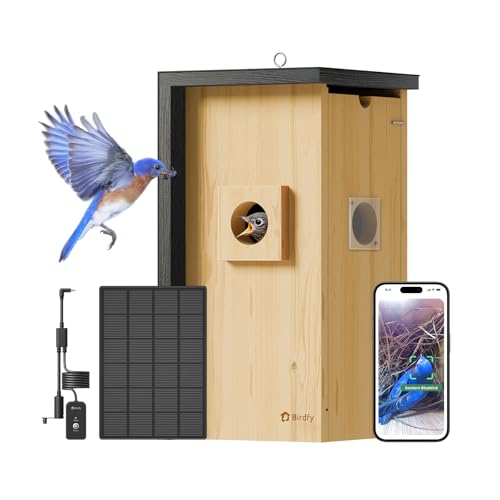
Birdfy Solar Powered Bird House with Camera
Check PriceHummingbirds don’t wander aimlessly during migration—they follow incredibly precise internal clocks and regional patterns shaped by evolution. Ruby-throated Hummingbirds, for example, begin their northward journey from Central America as early as late January, with males typically arriving in Gulf Coast states by mid-March. From there, they push steadily northward, reaching the Mid-Atlantic by mid-April and northern states by early May.
But here’s the critical part: not all hummingbirds arrive at once. Scout males often come through first, scouting territory and food sources before females follow. If your feeder isn’t ready when these early arrivals pass through, they’ll simply move on to find resources elsewhere. Hummingbirds have excellent spatial memory and will return year after year to reliable feeding sites—but only if those sites prove dependable from the start.
Weather can also push birds earlier than expected. An unseasonably warm spring might trigger earlier migration waves, and a late cold snap can leave early migrants desperately searching for food when natural nectar sources aren’t yet available. By putting your feeder out two weeks before the typical arrival date for your region, you create a safety net for these unpredictable scenarios.
To time it right, check resources like Journey North or local birding groups for migration maps specific to your area. In general, aim for mid-March in the South, early April in the Mid-Atlantic and lower Midwest, and late April in northern states and higher elevations. The West Coast follows different patterns—Anna’s Hummingbirds are year-round residents in many areas, while Rufous Hummingbirds arrive as early as late February in the Pacific Northwest.
Early Feeders Welcome Exhausted Travelers and Build Habits

Migration is brutal. Hummingbirds may travel 500 miles or more without stopping, burning through energy reserves at an astonishing rate. A Ruby-throated Hummingbird crossing the Gulf of Mexico flies non-stop for up to 20 hours, relying entirely on stored fat to fuel the journey. When these exhausted travelers finally reach land, they need immediate access to high-quality food.
Your early feeder can be a literal lifesaver. Natural nectar sources—spring wildflowers, flowering trees, and early blooms—aren’t always abundant or reliable in early spring, especially in colder regions or during delayed growing seasons. An established feeder provides consistent, high-energy nutrition exactly when migrating birds need it most.
Get our free Hummingbird Attraction Guide! Plus, we'll send you our best tips for attracting more birds to your yard.
Beyond emergency fuel, early feeders help establish your yard as prime real estate. Hummingbirds are fiercely territorial, and males stake out the best feeding areas as soon as they arrive. If your feeder is already up and running, a male may claim your yard as his territory, defending it throughout the breeding season. This means you’ll enjoy regular visits all summer long, rather than watching birds pass through to better-prepared yards down the street.
Females benefit too. When they arrive slightly later, they’re searching for good nesting habitat with reliable food nearby. A feeder that’s been running for weeks signals abundance and safety—exactly what a female needs when choosing where to raise her young. Once she settles in, she’ll return to the same location year after year, often bringing her offspring back with her.
Practical Steps to Set Up Your Feeder Right

Setting up your feeder early only works if you do it correctly. Start with the right nectar recipe: mix one part white granulated sugar to four parts water. Boil the water, stir in the sugar until dissolved, then let it cool completely before filling your feeder. Never use honey, artificial sweeteners, red dye, or commercial mixes with additives—plain sugar water is what hummingbirds need.
Placement matters. Hang your feeder in a spot with morning sun and afternoon shade to keep nectar fresh longer. Position it near natural cover like shrubs or trees where hummingbirds can perch and watch for predators, but with enough open space that they can see approaching threats. If you have multiple feeders, space them out of sight from each other to reduce territorial aggression.
In early spring, when temperatures are still cool, nectar stays fresh longer—but you still need a cleaning schedule. Change nectar and clean feeders every five to seven days when temperatures are below 70°F. Once it warms up, increase to every two to three days. Hot weather accelerates fermentation and mold growth, both of which can make hummingbirds sick.
Clean feeders thoroughly with hot water and a bottle brush. A solution of one part white vinegar to four parts water works well for removing residue. Rinse completely before refilling. Avoid soap, which can leave harmful residues.
Common Myths and Tips for Year-Round Success

One persistent myth keeps people from putting feeders out early: the fear that feeders will delay migration or prevent birds from leaving in fall. This is completely false. Migration is triggered by changes in daylight length and hormonal shifts, not food availability. Hummingbirds will migrate on schedule regardless of whether your feeder is available. In fact, fall feeders help late migrants and stragglers fuel up for their long journey south.
Another concern is waste—won’t nectar spoil if birds aren’t using it yet? In early spring’s cooler temperatures, properly mixed nectar lasts nearly a week. Even if you only see one or two birds in the first weeks, you’re providing critical support for scouts and early migrants. Consider it an investment in building a loyal hummingbird population.
Protect your feeder from pests by choosing designs with bee guards and ant moats. If ants are a problem, apply petroleum jelly to the hanger or use a water-filled moat attachment. For bees and wasps, avoid feeders with yellow parts, which attract them, and look for designs with narrow feeding ports.
Finally, complement your feeders with native plants. While you’re waiting for hummingbirds to arrive, plant native species like bee balm, cardinal flower, trumpet vine, or salvia. These provide natural nectar, nesting materials, and insects—an essential protein source for growing chicks. The combination of reliable feeders and natural habitat creates an irresistible landscape that hummingbirds will return to year after year.
Two weeks might not seem like much, but in the world of hummingbird migration, it’s the difference between a yard that’s merely bird-friendly and one that becomes a true sanctuary. Set up early, maintain consistently, and watch as these remarkable little travelers make your garden part of their annual journey.
Happy birding!