After hosting hundreds of hummingbirds in my backyard over the years, I’ve discovered some foolproof ways to increase their visits. These aren’t complicated strategies – just proven techniques that really work.

The Camera Feeder We Use In Our Own Backyard
See Today's PriceHere are 10 simple tricks that will have your yard buzzing with twice as many hummingbirds this season.
Save this article for later so you don't lose it. Enter your email and I'll send it to you now—plus you'll get my favorite backyard birding tips delivered to your inbox.
1. The “Feeding Station” Strategy
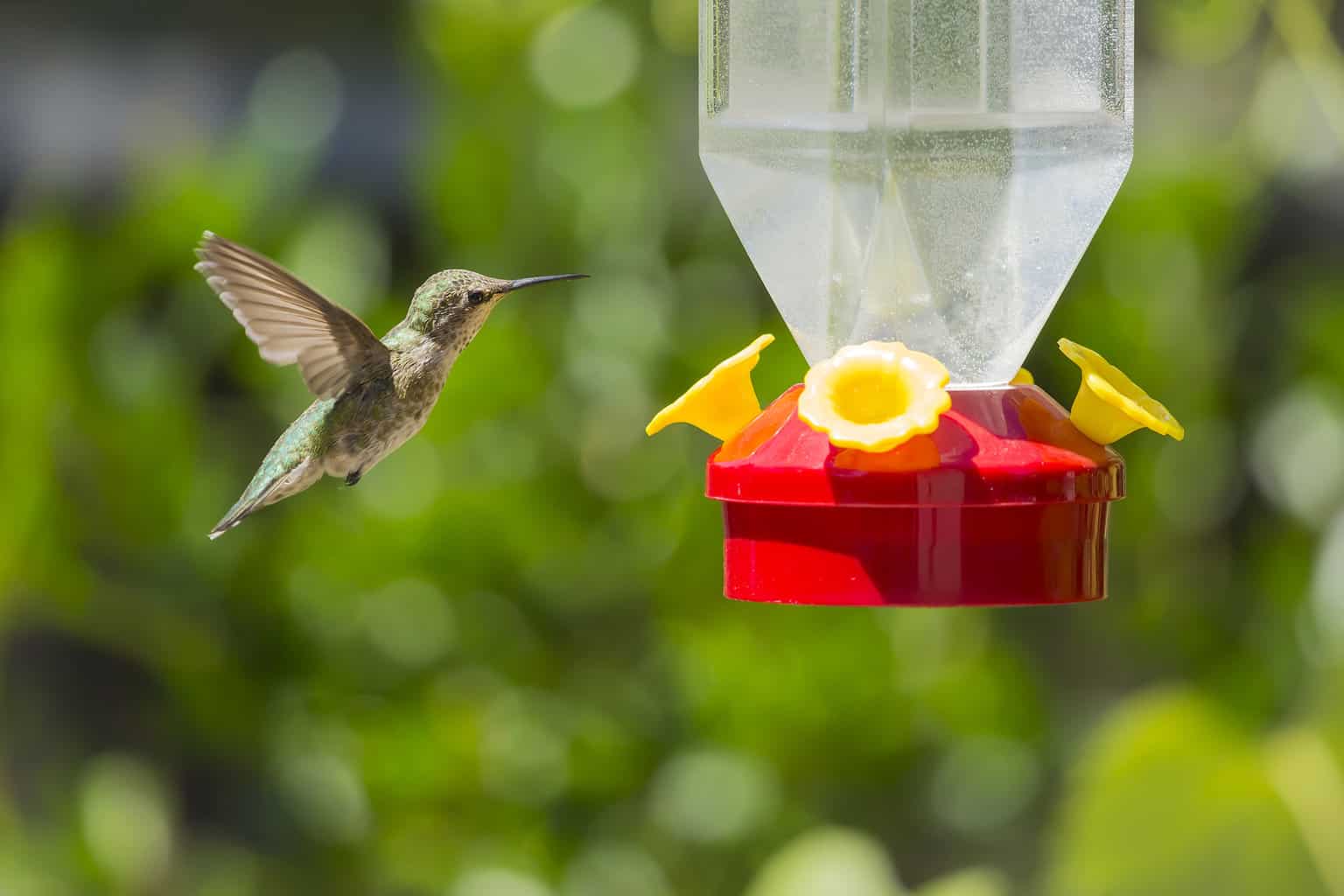
Instead of hanging single feeders, create feeding stations with 3-4 feeders clustered together, spaced about 3 feet apart. This prevents one dominant hummingbird from guarding all the nectar.
I’ve seen my visitor count triple after implementing this arrangement. Place these stations on different sides of your house to maximize territory.
2. The Early Bird Secret

It is best to put out your hummingbird feeders a week or two before you expect the first hummingbirds to arrive to provide sustenance for any early arrivals. You should aim to put out your hummingbird feeders a week or two before you expect the first hummingbirds to arrive so that you can cater to early migrators.
In the south, this might be in early March or a little later if you live at the very northern extent of their range.
3. The Red Decoy Method

Use a red hummingbird feeder with red bee guards, not yellow. Using red will attract hummingbirds, which are drawn to red, and avoid insects who cannot see the color red.
4. The Moving Water Trick

Others, such as the hummingbird, like to skim over the water. But if you provide a mister or dripper, they can enjoy what they like best, swooping through the falling water.
Provide a source of fresh water. Hummingbirds are attracted to moving water, so consider installing a small fountain or waterfall.
You can also simply hang a birdbath in your yard and change the water regularly.
5. The Perch Positioning Hack

Some people believe that hummingbirds must fly non-stop. And indeed, these birds are in flight through much of the daylight hours.
Get our free Hummingbird Attraction Guide! Plus, we'll send you our best tips for attracting more birds to your yard.
However, they do perch on the thin tips of branches or twigs or perches that you have placed for them near or at a feeder. When trying to attract hummingbirds to your garden and make them feel at home, it is important to provide plenty of places on your property where they can perch.
They prefer to land on the tips of small branches, where they can gain a good vantage point on their surroundings.
6. The Height Variation Technique

Hang feeders at different heights, from 5 to 8 feet off the ground. This mimics natural feeding patterns and reduces competition.
My most successful arrangement includes feeders at 5, 6, and 8 feet, creating different territories that multiple hummingbirds will claim simultaneously.
7. The Nectar Refresh Schedule

To prevent spoilage, change the nectar every 2-3 days, or even more frequently in hot weather. Rinse feeders thoroughly before refilling.
When it’s time to clean the feeder, use a water and vinegar solution periodically to fully disinfect the feeders. Every two to three days, dump out any old syrup and refresh with new nectar.
Use a basic ratio of 1 part white sugar dissolved in 4 parts water. Again, do not add food coloring or honey, as these may be harmful.
You can store extra nectar in the refrigerator for up to two weeks! Providing fresh, clean nectar will ensure healthy birds.
8. The Native Plant Border

Plant native flowers in clusters near your feeders. This creates a natural feeding zone that attracts more birds than feeders alone.
My combination of cardinal flowers, native salvias, and bee balm creates a hummingbird buffet that keeps them coming back throughout the season.
9. The Spider Web Preservation Plan

Flowers also provide an ideal location for spiders to spin their webs. This is a double bonus for attracting Hummingbirds.
They will eat the spiders and then use the spider’s web to build their nests. Spider web provides the glue to keep the nesting material collected by the female Hummer together.
She will weave the spider silk into the nest material to hold it all together.
10. The Dawn-to-Dusk Feeding System

Fill feeders before sunrise and keep them full until after sunset. Hummingbirds feed heavily at dawn and dusk, storing energy for night and early morning.
I keep a spare feeder ready to swap out during peak feeding times, ensuring there’s always fresh nectar available when they need it most.
Hummingbird visitor tricks at a glance
| Spec | What our writers say |
|---|---|
| Hang date | A week or two before the first hummingbirds are expected |
| Red | Red lids, cups, or bee guards, not yellow |
| Water | Mister, dripper, fountain, or waterfall; they skim moving water |
| Perch | Thin branch tips near the feeder |
| Nectar refresh | Every 2-3 days; extra nectar keeps 2 weeks in the fridge |
| Ratio | 1 part white sugar in 4 parts water |
| Spider silk | They eat spiders and use the web to bind the nest |
📷 Show us your feeder setup! Share a few photos of your feeders and you might be featured on Wild Bird Scoop. Share your setup →