Think you know how to help your backyard birds? Think again.

The Camera Feeder We Use In Our Own Backyard
See Today's PriceThat cherished family wisdom about bird care – from Grandma’s penny-in-the-birdbath trick to those “helpful” dryer lint offerings – might actually be harming the very creatures you’re trying to protect.
Save this article for later so you don't lose it. Enter your email and I'll send it to you now—plus you'll get my favorite backyard birding tips delivered to your inbox.
We’ve ranked these myths from the lesser-known dangers lurking in your garden to the most widespread mistakes that millions of bird lovers make every single day.
Can you guess which “helpful” habit tops our list?
Stick around to discover where your good intentions rank on the danger scale, and learn the science-backed secrets that will actually turn your garden into a bird paradise.
20. Myth: “Cocoa Mulch Is All-Natural and Bird-Safe”
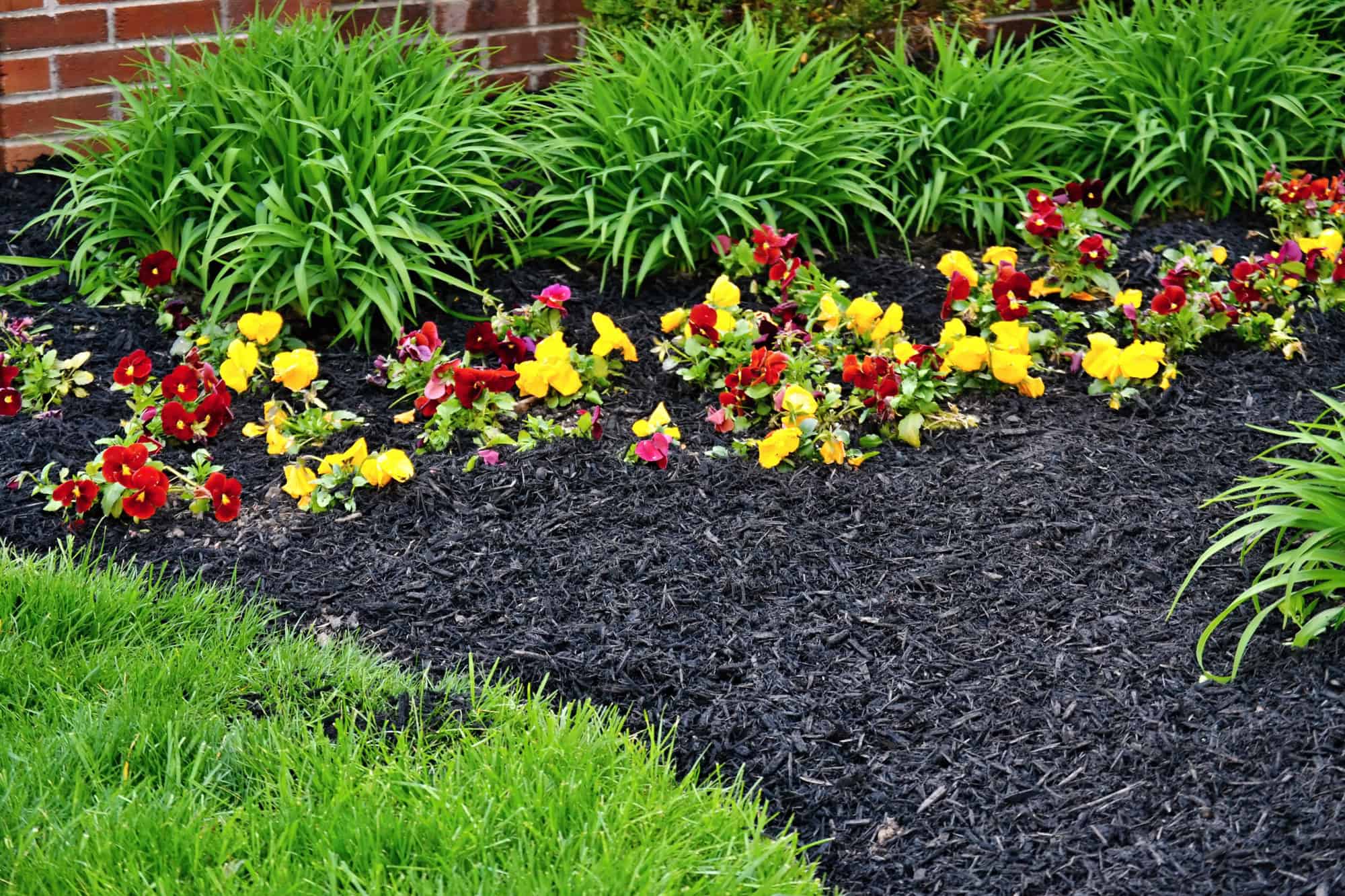
That deliciously sweet-smelling cocoa mulch marketed as “all-natural garden enhancement”? It’s about as bird-friendly as spreading chocolate bars around your flower beds.
The same theobromine compounds that make chocolate toxic to dogs can seriously harm birds who forage for insects in contaminated mulch. Your garden might smell like a candy factory, but it could become a danger zone for hungry birds.
Instead, try this: Stick with plain wood chips, shredded leaves, or straw mulch – sometimes the boring choice is the bird-safe choice.
19. Myth: “Spraying Hot Birds with Water Helps Them Cool Down”

That well-meaning habit of spraying overheated birds with your garden hose during summer heat waves? It’s like throwing ice water on someone relaxing in a sauna – shocking, stressful, and potentially dangerous.
Birds have evolved sophisticated cooling strategies like panting, seeking shade, and spreading their wings, and a surprise soaking can actually stress their systems more than help. If you want to help, let them manage their own cooling on their terms.
Instead, try this: Maintain clean, shallow water sources and create shaded areas in your yard where birds can cool off naturally when they choose to.
18. Myth: Complex Squirrel-Proof Feeders Are Always Better

Over the years, the wonders of technology have produced numerous bird feeder models that limit squirrel access. It’s hard to know which squirrel-proof feeder is actually squirrel-proof, however.
Squirrel-proof feeders aren’t your only option for dealing with backyard pests like squirrels and chipmunks! There are additional strategies to try that don’t involve buying a specific type of feeder or baffle.
17. Myth: Store-Bought Nesting Materials Are Perfect for Birds

While they will typically build their nests in trees, they have been known to use artificial structures such as mailboxes and gutters, and artificial nesting materials, some of which—like fishing line—can be harmful.
16. Myth: “Copper Pennies Keep Bird Baths Clean”

Those lucky pennies Grandma insisted would keep the birdbath sparkling clean? They’re about as effective as throwing coins in a fountain and wishing for cleanliness.
Modern pennies are mostly zinc anyway, and even if they were pure copper, the antimicrobial properties don’t work like some magical self-cleaning system. Your birdbath still needs the old-fashioned treatment: regular scrubbing with honest elbow grease.
Instead, try this: Clean bird baths every 2-3 days with a stiff brush and fresh water, or add a dripper or bubbler to keep water moving and reduce algae growth.
15. Myth: Wedding Rice Makes Birds Explode

There has been a myth going around for many years that if birds consume uncooked rice, whether this is placed on feeders or thrown at weddings, that rice will expand in their stomachs and harm or even kill them. Some even believe that birds will explode!
But is that true, or is it kind of like the myth that birds will explode if they eat rice? Important: they won’t!
Birds eat rice in the wild all the time without negative consequences.
14. Myth: Single Window Decals Prevent Bird Strikes

To stop birds from hitting your windows, you need to put something across almost the entire surface of the window. A single decal typically won’t be an effective solution, unfortunately.
If you’re applying decals, it’s important to place them close together. Place them within a few inches of one another or else birds may just try and duck and dive around them.
According to the Cornell Lab of Ornithology, vertical window markers need to be placed four inches apart or less and horizontal markings need to be two inches apart or less.
13. Myth: “Butterfly Bushes Are Perfect for Birds”

That gorgeous butterfly bush the garden center promised would create a bird paradise? It’s like opening a candy store in a neighborhood that desperately needs a grocery store.
While it provides nectar for adult butterflies, it supports virtually no native caterpillars – the protein-packed baby food that bird chicks absolutely need to survive. Native plants like oak, cherry, and willow trees are the real MVPs of bird-friendly landscaping.
Instead, try this: Plant native alternatives like spicebush, elderberry, or native honeysuckle that support both adult butterflies and the caterpillars that feed baby birds.
Get our free Hummingbird Attraction Guide! Plus, we'll send you our best tips for attracting more birds to your yard.
12. Myth: Garden Mirrors Add Beauty Without Harm

The male Northern cardinal is extremely territorial. He will attack anyone who comes near his nest.
It’s fairly common for birdwatchers to spot a male fighting his own reflection in mirrors or windows!
11. Myth: Deep Bird Baths Are Better Than Shallow Ones

However, the very best bird baths are the ones that mimic the water features that birds encounter in nature. Birds enjoy shallow puddles of water and slow, babbling streams.
There are specific bird baths available for hummingbirds. They will use any bath that is small and very shallow.
Some feeders are even two-in-one, like this ACNOKKI Bird Bath and Bird Feeder
10. Myth: “Summer Bird Feeding Makes Birds Dependent”

That persistent myth about summer bird feeding creating lazy, dependent birds? It’s about as scientifically accurate as claiming your neighborhood BBQs will make everyone forget how to cook.
Wild birds get only about 25% of their daily calories from feeders, even during harsh winters. Your summer seed buffet is more like a convenient drive-through supplement than their primary food source – helpful, but hardly habit-forming.
Instead, try this: Keep feeders filled year-round to support nesting birds, fledglings learning to forage, and the constant parade of migrants passing through your yard.
9. Myth: “All-Natural Pesticides Are Always Bird-Safe”

Just because that pesticide bottle features a cheerful leaf logo doesn’t make it a bird’s best friend. Even “organic” pest controls can poison birds directly or eliminate their insect food sources faster than you can say “DDT-free.” Remember, poison ivy is all-natural too, but you wouldn’t want to roll around in it.
The marketing department’s nature imagery doesn’t change the chemical reality. Instead, try this: Encourage natural pest control by planting native plants that attract beneficial insects, and learn to tolerate some “pest” damage as part of a healthy ecosystem.
8. Myth: “Red Glass Hummingbird Feeders Are Best”

That gorgeous vintage red glass hummingbird feeder passed down through generations? It’s like wearing sunglasses to inspect food safety – pretty, but potentially deadly.
While the all-red design might look more “natural,” it actually makes it nearly impossible to spot spoiled nectar, which can kill hummingbirds faster than you can say “family heirloom.” Clear feeders with red accents work just as well for attraction but let you monitor nectar freshness like a hawk. Instead, try this: Choose clear feeders with red ports or flowers, and check nectar clarity every few days during hot weather.
7. Myth: “Dryer Lint Makes Great Nesting Material”

Remember when everyone’s grandmother swore by saving dryer lint for the birds? This well-meaning tradition is about as structurally sound as building a house with cotton candy in a rainstorm.
Dryer lint disintegrates when wet, contains harmful chemicals from fabric softeners and detergents, and can trap deadly moisture in nests. Let’s leave the architectural decisions to the expert builders with beaks and natural instincts.
Instead, try this: Provide natural nesting materials like dried grass clippings, small twigs, and pet fur (from pets not treated with flea and tick chemicals).
6. Myth: “You Must Remove Feeders in Fall to Help Birds Migrate”

That old wives’ tale about taking down feeders to force birds to migrate? It’s like thinking teenagers won’t leave for college if you keep cooking their favorite meals.
Birds don’t need your version of tough love – their migration is triggered by changing daylight hours and ancient genetic programming, not the convenience of your backyard buffet. You’re not the boss of their travel plans, no matter how well-stocked your feeders are.
Instead, try this: Keep feeders clean and filled year-round to support both migrating birds and year-round residents who rely on consistent food sources.
5. Myth: Cleaning Seed Heads Makes Gardens Look Better

Sometimes, however, gardeners deadhead for purely cosmetic reasons, or deadhead for too long, preventing a species from setting seed at the end of the blooming season. This isn’t as good for a bird-friendly garden.
4. Myth: Raking All Autumn Leaves Keeps Gardens Healthy

As autumn wears on, a number of species may benefit from the insect life that toils as decomposers in the ground layers of your garden, helping to return nutrients to the soil system as the leaves of deciduous trees, shrubs, and other vegetation break down Fox Sparrows kick through the leaf litter on the ground to forage for insects, often sending a spray of leaves, dirt, and litter into the air. They will also do this under birdfeeders.
If you notice a particularly messy sparrow, it might be a Fox Sparrow!
3. Myth: Bread Is Better Than Nothing for Birds

Remember, bread contains mostly carbohydrates, not the necessary protein and fats birds need to be in optimal health. Even whole grain bread is not particularly nutritionally beneficial for birds if it makes up too much of their diet, though it is far better than a sweet white loaf.
Some foods, bread or foods high in salt, can have a negative impact on birds. Bread can cause Angel Wing, especially for waterfowl, while salt can be toxic, even in foods that you might not consider “salty.” Bread is a filling food, but it doesn’t actually provide much in the way of nutrition.
Therefore, when birds consume these starchy treats, it fills them up and makes them less likely to pursue other food sources.
2. Myth: Perfect Lawns Are Good for Birds
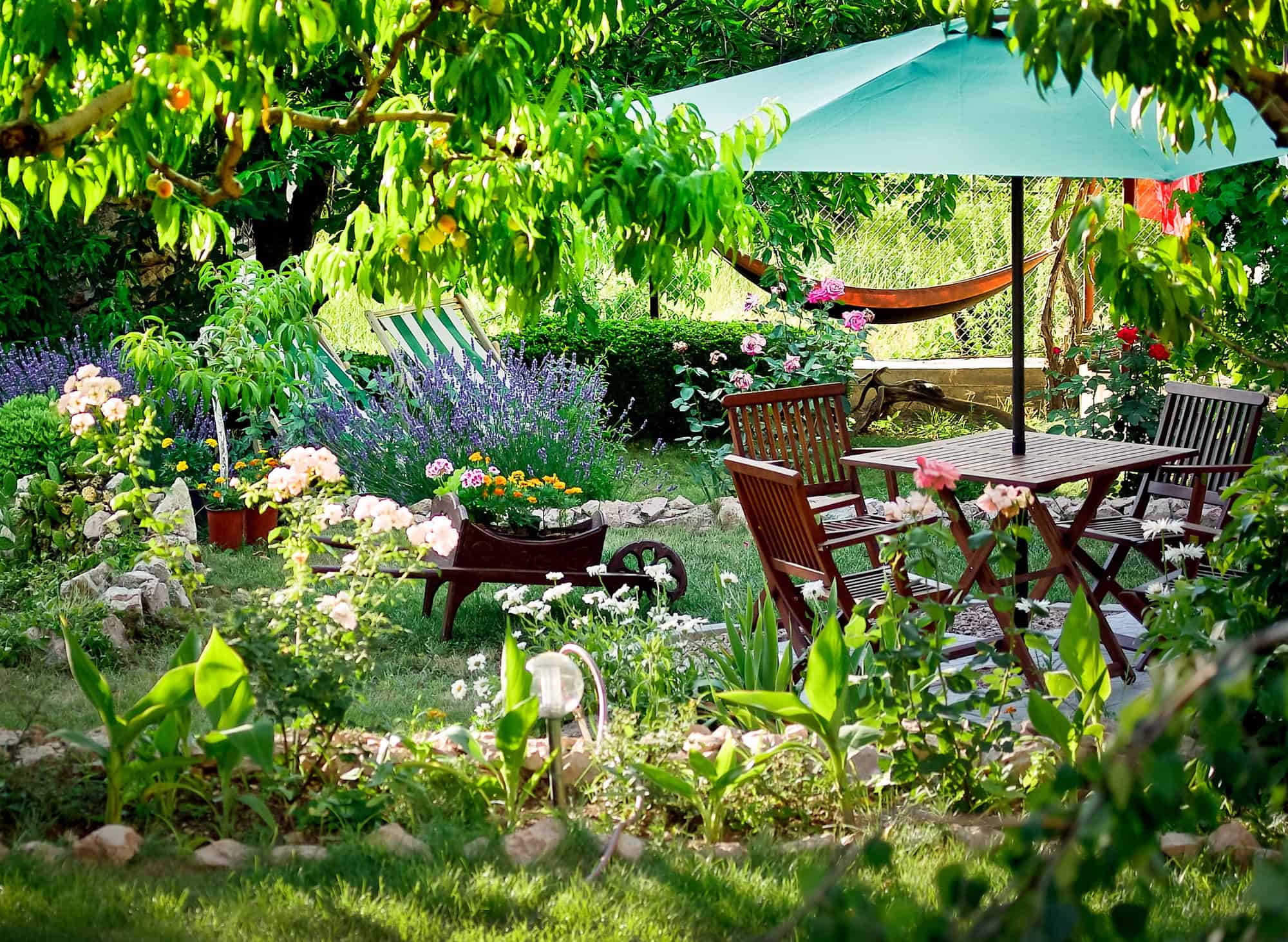
It’s not just your lawn that could benefit birds by being a bit less managed and tidy. Leaving other wild and less managed areas in your garden can help to boost biodiversity and add food for wild birds.
1. Myth: Bleach Is Too Harsh for Bird Feeders

You can clean your feeders in the dishwasher or with soap and water, then use a 10 percent bleach solution. Make sure to rinse off all bleach and dry your feeders well before putting the feeder back out for birds.
The Cornell Lab of Ornithology suggests using a solution that’s nine parts water to one part bleach To clean bird feeders. Rinse all bleach solution off the feeder and give it adequate time to dry before putting it back out for birds, as damp feeders can be a breeding ground for diseases.
Bonus: Your Bird-Friendly Garden Action Plan
Now that we’ve busted these myths, here’s your science-backed roadmap to creating a genuinely bird-friendly paradise:
The “Less Is More” Maintenance Schedule
Weekly: Refill feeders and check water sources
Bi-weekly: Clean feeders with 10% bleach solution
Monthly: Inspect feeder mechanisms for wear
Seasonally: Leave seed heads standing, maintain brush piles, resist the urge to “tidy up”
The Native Plant Powerhouse List
These native champions support 10x more bird species than exotic ornamentals:
• Oak trees: Support over 500 caterpillar species
• Native cherries: Early nectar plus protein-rich insects
• Elderberry: Berries loved by 40+ bird species
• Coneflowers: Seeds that last through winter
• Native grasses: Nesting material and insect habitat
Emergency Bird First Aid Kit
Keep these essentials handy for bird emergencies:
• Small cardboard box with air holes
• Soft towels for handling injured birds
• Contact info for local wildlife rehabilitators
• Window strike prevention supplies (tape, decals)
• Cat deterrent strategies (motion-activated sprinklers)
The Real Truth About Bird Behavior
Q: Do birds really abandon babies if humans touch them?
A: Absolutely not. Most birds have a poor sense of smell and prioritize their offspring’s survival over human scent concerns.
Q: Should I help a baby bird I find on the ground?
A: Usually no. Most “abandoned” fledglings are actually learning to fly while their parents watch nearby.
Only intervene if the bird is obviously injured or in immediate danger.
Q: Why do birds sometimes attack windows repeatedly?
A: They’re seeing their reflection as a territorial intruder. Cover the outside of the window temporarily to break the cycle.
Q: Is it true that birds mate for life?
A: Only about 5% of bird species are truly monogamous. Most are “socially monogamous” – they partner for a season but may find new mates if their partner doesn’t return.
Your 30-Day Bird Paradise Challenge
Week 1: Stop doing the harmful things (remove mirrors, switch to clear feeders, stop raking all leaves)
Week 2: Add one reliable water source and one simple feeder
Week 3: Plant one native species or let part of your lawn grow wild
Week 4: Create a brush pile and observe the difference in bird activity
Remember: the best bird garden isn’t the prettiest one – it’s the one that provides food, water, shelter, and nesting sites while avoiding the well-meaning mistakes that can harm our feathered friends. Your birds don’t need perfection; they need a habitat that works with nature, not against it.
Garden myths the archive actually checked
| Myth | What our writers say |
|---|---|
| Wedding rice | Uncooked rice will not expand and make birds explode |
| One window decal | A single decal is not enough; cover almost the entire glass |
| Decal spacing | Vertical marks 4 inches or less; horizontal marks 2 inches or less |
| Garden mirrors | Cardinals attack their own reflection in mirrors and windows |
| Deep baths | Birds want shallow puddles; hummingbirds need a small, very shallow bath |
| Bread | Mostly carbs; too much can cause angel wing in waterfowl |
| Bleach | Nine parts water to one part bleach, then rinse and dry |
| Leaves | Leaf litter feeds decomposers and the birds that kick through it |
📷 Show us your feeder setup! Share a few photos of your feeders and you might be featured on Wild Bird Scoop. Share your setup →