Think window feeders cause more bird collisions? The surprising research revealed at the end proves the exact opposite—and could save countless bird lives.

The Camera Feeder We Use In Our Own Backyard
See Today's Price
Save this article for later so you don't lose it. Enter your email and I'll send it to you now—plus you'll get my favorite backyard birding tips delivered to your inbox.
Best Window Bird Feeders
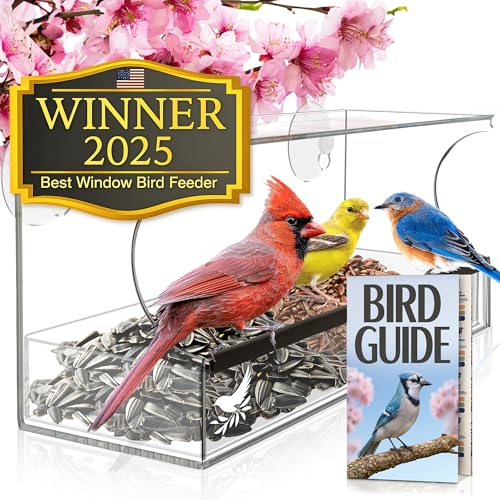
Nature's Hangout Window Bird Feeder
Durable, large-capacity window bird feeder with strong suction cups and easy-clean design.
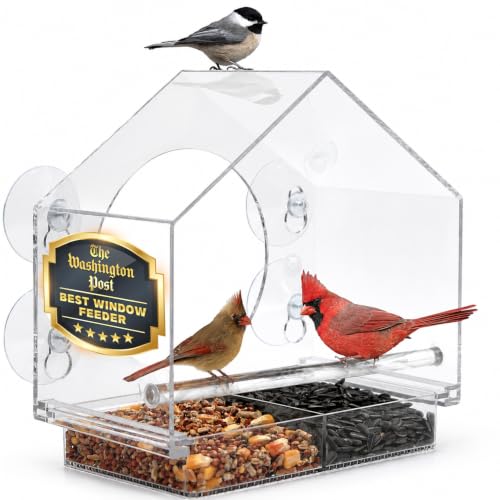
Nature Anywhere Weatherproof Window Bird Feeder
Durable, squirrel-proof window bird feeder with lifetime suction guarantee and no assembly needed.
Check Price
Aspects 407 Jewel Box Window Hummingbird Feeder
Durable 8 oz window feeder with bright cover, comfortable perch, and optional ant protection.
Check Price5 Best Window Bird Feeders to Consider

5. Woodlink NAHANGER Audubon Window Glass Hang Up

Woodlink Audubon Window Glass Hanger
Check PriceBird lovers can secure a hanging feeder from a suctioned hook like this one instead of buying a window-specific feeder. This works perfectly for feeders like many finch feeders, which hang from a hook on the top. This option keeps dirt off your windows and saves money if you already have a feeder ready to go. If you need a feeder to pair with this hook, check out these finch sock feeders or tube feeders.
4. Aspects Window Cafe Mount Feeder

Aspects ASP155 Window Mount Bird Feeder
Check PriceThis feeder works best for smaller birds rather than larger ones. The overhanging roof and small tray make it difficult for larger bird species to access, but it provides plenty of space for birds like finches, chickadees, and nuthatches. It’s a good feeder for small birds that holds plenty of food. Unlike tray feeders, this one holds food in a compartment that filters into seed trays below as birds eat. You won’t need to refill this feeder as often, making it perfect for high-traffic areas.
3. Nature’s Hangout Clear Window Bird Feeder
Nature's Hangout Window Bird Feeder
Check PriceFor a smaller option, consider this Nature’s Hangout model, which measures 12 inches long by five inches tall. The longer, smaller design is preferred by many bird watchers because it gives more space for multiple birds to perch at once and takes up less of your window view. It doesn’t have a viewing opening like other models, but the acrylic construction is usually easy to see through. Just make sure to clean the feeder regularly if it gets dirty or foggy.
2. Nature Anywhere Window Feeder
Get our free Hummingbird Attraction Guide! Plus, we'll send you our best tips for attracting more birds to your yard.
Nature Anywhere Weatherproof Window Bird Feeder
Check PriceThis window feeder is a conventional tray feeder for seed-eating birds, with two compartments to provide birds with different food options. What’s great about feeders like this one is the viewing window, which allows for clear viewing without looking through the feeder material. Many bird feeders use materials that are easy to see through, but having no additional material in your line of sight provides the best view and helps you get clearer photos. The feeder measures 10 inches by 10 inches, with a roof to keep birds dry.
1. Aspects 407 Jewel Box Feeder
Aspects 407 Jewel Box Window Hummingbird Feeder
Check PriceAs some of the smallest birds on the planet, hummingbirds can be very difficult to watch if you’re not paying close attention. They zip around your yard, visiting flowers or feeders often without even perching to rest. This feeder is perfect for getting a better look at hummingbirds in your yard. Hummingbirds will perch on the red railing around the dish, giving you a chance to see them sitting still right outside your home. The feeder has a lid that lifts for easy filling and an ant moat that you fill with water to keep insects out of the nectar.
Benefits of Window Feeders
If you keep a feeder right outside your window where you can see it from your couch, desk, or kitchen, it makes bird watching effortless. It can also improve the safety of your feathered backyard companions. While it may seem counterintuitive, using a window feeder can actually reduce window collisions in your yard. The National Audubon Society recommends using window feeders as a way to reduce collisions. Some research has shown that window feeders and feeders placed close to windows actually lead to fewer collisions.
Downsides of Window Feeders
Getting closer to birds and making them safer are two big positives of window feeders. Among the negatives is bringing seed messes closer to your home, especially if you have a patio or deck. Depending on what kind of seeds you put out, birds may drop shells like safflower and sunflower shells below the feeder. If you don’t mind the mess or choose feed that doesn’t create mess, then the benefits of a window feeder could be significant.
How to Choose the Right Window Feeder
What window feeder you buy will depend on the kind of birds you want to attract. Different bird species prefer different types of food and feeder designs. Hummingbirds need nectar feeders with perching spots, while finches prefer tube feeders with small holes. Cardinals and larger birds need platform feeders with enough space to land comfortably. Consider the birds you see most often in your yard and choose a feeder designed for their feeding habits.
Installation and Maintenance Tips
Clean your windows thoroughly before installing suction cup feeders – dirty glass is the main reason suction cups fail. Use warm water on both the window and suction cups for better adhesion, especially in cold weather. Press firmly for several seconds when attaching. Clean feeders weekly with hot water and a bottle brush to prevent mold and bacteria buildup. Replace nectar every 3-5 days in cool weather, every 1-2 days when temperatures exceed 80°F. Check suction cups regularly and reattach as needed to prevent feeders from falling.
Best Foods for Window Feeders
Black oil sunflower seeds attract the widest variety of birds including cardinals, chickadees, and nuthatches. Nyjer seeds are perfect for finches and siskins. Safflower seeds deter squirrels while attracting cardinals and chickadees. For hummingbird feeders, use a simple recipe of 1 part white sugar to 4 parts water – never use honey, artificial sweeteners, or red dye. Suet cakes work well in window suet feeders during cooler months. Avoid seed mixes with filler ingredients like milo and cracked corn that most birds ignore.
Seasonal Considerations
Spring is the best time to start window feeding as migrating birds return and establish territories. Summer requires more frequent cleaning due to heat and humidity causing food to spoil faster. Fall brings increased activity as birds prepare for migration and winter, making it an excellent time for window watching. Winter feeding provides critical support when natural food sources are scarce, but suction cups may need more frequent adjustment due to temperature changes. In regions with year-round hummingbirds, maintain nectar feeders through winter months.
The Surprising Truth About Window Collisions
Here’s the game-changing research that proves window feeders actually save bird lives. Studies show that birds flying at high speeds have difficulty stopping when they spot windows 15-30 feet away. However, when feeders are placed directly on windows, birds approach slowly and cautiously, dramatically reducing collision risk. Research published in the Wilson Bulletin found zero collision fatalities when feeders were placed within 3 feet of windows, compared to increased mortality when feeders were 15-30 feet away. This counterintuitive finding has changed how wildlife experts recommend feeder placement, potentially saving millions of bird lives annually.
Frequently Asked Questions
Are Window Bird Feeders Any Good?
When used correctly, a good window bird feeder will bring the birds you already see in your yard closer to your window. If you’re not regularly seeing birds flying through the air or perching on branches nearby, just adding a feeder won’t magically make birds appear. If you’re seeing birds but aren’t having luck with your window feeder, humans or pets might be scaring them away. Try placing your feeder where birds won’t see humans as easily, or sit further away from the feeder to give birds more comfort.
How Do I Attract Birds to a Window Feeder?
Attract birds to a window feeder the same way you would attract them to a typical bird feeder. Providing adequate habitat is a top priority for anyone looking to attract birds to their feeders. If birds don’t have a place to nest, water for cleaning and drinking, and cover to avoid predators, you’ll have a hard time getting them to visit your feeders. Fill the feeder with bird seed or foods that your target birds enjoy eating. For example, someone looking to attract bluebirds wouldn’t put out seeds, as bluebirds prefer insects and mealworms.
What are The Different Types of Window Bird Feeders?
Like regular feeders, there are many different types of window feeders for different kinds of backyard birds. This includes suet feeders, hummingbird feeders, finch feeders, and platform feeders. Consider what kind of birds you see in your backyard before deciding what type of window feeder to buy. A hook feeder is great for hanging a finch feeder, while hummingbird window feeders are designed specifically for hummingbirds. Match your food and feeder to the birds in your area for the best success.
Will Birds Smash Into My Windows If I Use A Window Feeder?
While it may seem like putting feeders directly on windows would lead to more collisions, research has found the opposite. Research published in the Wilson Bulletin found that mortality increased when feeders were placed between 15 and 30 feet from glass, while no window collision deaths were recorded when feeders were placed within 3 feet of windows. The National Audubon Society recommends placing bird feeders directly on windows to reduce collisions.
How Do I Mount a Window Feeder With Suction Cups?

First, use glass cleaner to make sure your windows are clean. A dirty window is the top problem for people trying to make suction cups stick longer. Use warm water on the suction cups to help them stick better. Make sure to use warm water, as cold windows and suction cups can cause the suction cups to release. You may find that window feeders don’t stick as well during cold months, so use warm water when attaching your feeder. Some experts suggest using a small amount of petroleum jelly on suction cups for better adhesion. Once you have a clean window, firmly press the suction cups for several seconds before releasing them.
How Do You Squirrel-Proof a Window Bird Feeder?

As long as you place your feeder higher than squirrels can jump and away from anything they can jump from like a branch or bush, putting feeders on windows can reduce squirrels’ ability to reach them. Without a pole to climb or another access point, a glass window is difficult for squirrels to climb. If they do get onto your window feeder, they can cause damage, as suction cups aren’t designed for the weight of an adult squirrel. If a squirrel reaches your window feeder, move it higher up the window to a level squirrels can’t jump to, or to a new location away from launch points.
Which Birds Will Use a Window Feeder?
Whatever kinds of birds you see at your regular bird feeder will likely visit a window feeder, as long as it offers the same type of food and they feel safe. Do some research about what each bird eats and target specific species, or put out a generic seed mix and see what birds visit. Much of what makes bird watching and feeding fun is experimenting to see what birds you can attract with different foods and feeders. Good luck and happy birding!
📷 Show us your feeder setup! Share a few photos of your feeders and you might be featured on Wild Bird Scoop. Share your setup →