


Back in the day, our neighborhoods were alive with the fluttering wings and cheerful songs of birds. As kids, we could spot these feathered friends in abundance. Sadly, many of these once-common species are now disappearing. Let’s take a look at 15 birds we used to see and explore why their numbers are dwindling.

Two Leak-Proof Feeders, Zero Ants & Bees
Check PriceEastern Meadowlark

The Eastern Meadowlark, known for its distinctive yellow belly and sweet, whistling song, has seen a dramatic decline due to habitat loss. As farmland gives way to urban development, these grassland birds struggle to find the open spaces they need to thrive.
Save this article for later so you don't lose it. Enter your email and I'll send it to you now—plus you'll get my favorite backyard birding tips delivered to your inbox.
Bobolink

Once a common sight in hayfields, Bobolinks are now rare due to changes in agricultural practices. Earlier and more frequent mowing disrupts their nesting season, leaving these migratory birds with fewer successful broods each year.
Northern Bobwhite

The Northern Bobwhite, a small quail with a charismatic call, has faced severe population declines. Habitat fragmentation and intensive agriculture have reduced the dense cover they require for protection against predators.
Cerulean Warbler

This sky-blue warbler, once a vibrant symbol of summer, is disappearing due to deforestation in both its North American breeding grounds and South American wintering habitats. Conservation efforts focus on preserving mature forests essential for their survival.
Ruffed Grouse

Known for its drumming display, the Ruffed Grouse has seen its habitat dwindle due to suburban sprawl and changes in forest management. The loss of young forests has been particularly detrimental to their breeding success.
Evening Grosbeak

Once a regular visitor to backyard feeders, the Evening Grosbeak’s numbers have plummeted. This decline is largely attributed to forest pest management practices and reduced availability of their primary food sources.
Get our free Hummingbird Attraction Guide! Plus, we'll send you our best tips for attracting more birds to your yard.
Whip-poor-will
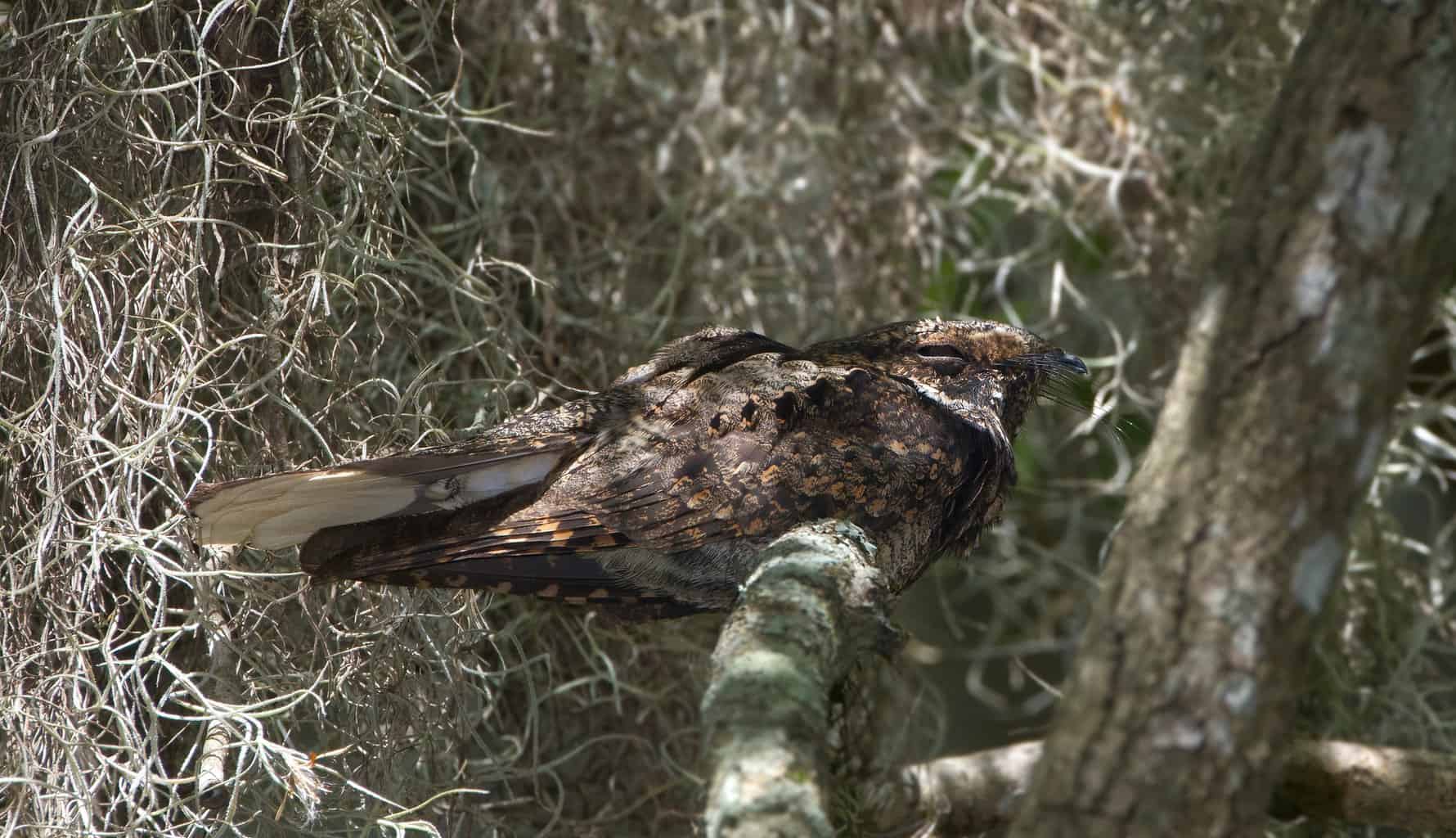
The haunting call of the Whip-poor-will is becoming a thing of the past. Habitat loss and declining insect populations, which serve as their primary food source, have contributed to their reduced numbers.
Bank Swallow

Nesting in sandy banks, the Bank Swallow faces challenges from human activities such as construction and riverbank stabilization. Their habitats are being destroyed, leading to a significant decline in their populations.
Barn Owl

The ethereal Barn Owl, with its heart-shaped face, is struggling due to habitat destruction and the use of rodenticides. Efforts to conserve their nesting sites and reduce poison use are crucial for their survival.
Chimney Swift

Chimney Swifts, known for their agile flight, have been losing nesting sites as old chimneys are capped or demolished. Habitat restoration and the installation of chimney swift towers are essential to support their populations.
Common Nighthawk

Once widespread in urban areas, the Common Nighthawk is now less common due to habitat loss and declining insect prey. Conservation efforts focus on maintaining open habitats and reducing pesticide use.
Loggerhead Shrike

Once a familiar sight in rural areas, the Loggerhead Shrike’s numbers have dropped due to habitat fragmentation and loss. These predatory songbirds require open areas with perches, which are increasingly scarce.
Red-headed Woodpecker

The striking Red-headed Woodpecker is facing population declines due to loss of nesting sites and food sources. Conservation of dead wood and active management of forest habitats are vital for their recovery.
Bicknell’s Thrush

Bicknell’s Thrush, a rare bird with a limited range, is threatened by climate change and habitat destruction. Efforts to preserve their breeding grounds in high-altitude forests are essential for their continued existence.
American Kestrel

The smallest falcon in North America, the American Kestrel, is declining due to habitat loss and competition for nesting sites. As farmland is converted to urban areas, these birds face fewer places to hunt and breed. Preserving open countryside and providing nesting boxes can help their populations recover.
📷 Show us your feeder setup! Share a few photos of your feeders and you might be featured on Wild Bird Scoop. Share your setup →





