


Ah, the joy of watching our feathered friends return each spring! There’s something deeply satisfying about creating a backyard sanctuary that welcomes birds back year after year. With just a few simple adjustments to your outdoor space, you can ensure that beautiful songbirds and colorful visitors make your yard their regular seasonal home.

Two Leak-Proof Feeders, Zero Ants & Bees
Check Price1. American Robin

The American Robin, with its cheerful orange breast and melodious song, is often the first herald of spring. These beloved birds return to the same territories if you provide them with shallow birdbaths, as they’re particularly fond of water features. Plant fruit-bearing trees and shrubs like crabapples, dogwoods, and serviceberries to create an irresistible buffet for these thrushes. Keep some areas of your lawn free from pesticides so they can hunt for their favorite food—earthworms!
Save this article for later so you don't lose it. Enter your email and I'll send it to you now—plus you'll get my favorite backyard birding tips delivered to your inbox.
2. Eastern Bluebird

The stunning azure blue of an Eastern Bluebird brightens any backyard, and these beauties are creatures of habit. Install proper bluebird houses (with 1½-inch entrance holes) about 5-6 feet off the ground facing away from prevailing winds. Space multiple houses at least 100 yards apart, as bluebirds are territorial. Create an insect-friendly yard by avoiding pesticides and maintaining some open grassy areas where these birds can spot beetles, caterpillars, and grasshoppers—their preferred meals.
3. Baltimore Oriole

The flashy orange-and-black Baltimore Oriole is a tropical migrant that returns north each spring, and they remember reliable food sources. Put out special oriole feeders filled with sugar water (1 part sugar to 4 parts water) by late April before they arrive. Hang orange halves from tree branches—these colorful birds can’t resist them! Plant native flowering trees like serviceberry and wild cherry, which provide nesting sites and the dark-colored fruits orioles love. Their distinctive hanging sock-like nests are a delight to spot in tall trees.
Get our free Hummingbird Attraction Guide! Plus, we'll send you our best tips for attracting more birds to your yard.
4. Ruby-throated Hummingbird

These tiny jewels of the air have remarkable memories and will return to reliable nectar sources year after year. Hang hummingbird feeders filled with a solution of 1 part sugar to 4 parts water (no red dye needed!) about two weeks before their expected arrival in your area. Plant tubular flowers in bright colors like trumpet vine, bee balm, and cardinal flower to create a natural buffet. Keep feeders clean and solution fresh, changing it every few days in hot weather to prevent harmful mold growth.
5. Purple Martin

Purple Martins in eastern North America are almost entirely dependent on human-provided housing, making them perfect loyal returners if you set up the right accommodations. Install a proper martin house or gourd rack in an open area at least 40 feet from tall trees and 15-20 feet off the ground. These social birds prefer to nest in colonies, so multi-compartment houses work best. Open the house just before their expected arrival in your region, and close it after they migrate to prevent sparrows and starlings from taking over.
6. Tree Swallow

With their iridescent blue-green backs and clean white fronts, Tree Swallows are both beautiful and beneficial insect-eaters. Mount nest boxes on poles in open areas, ideally near water, with entrance holes 1½ inches in diameter. These graceful fliers will return to successful nesting sites year after year. Maintain some open areas where they can perform their spectacular aerial insect hunts. As a bonus, they’ll help control mosquito populations naturally, making your summer evenings more enjoyable.
7. Barn Swallow
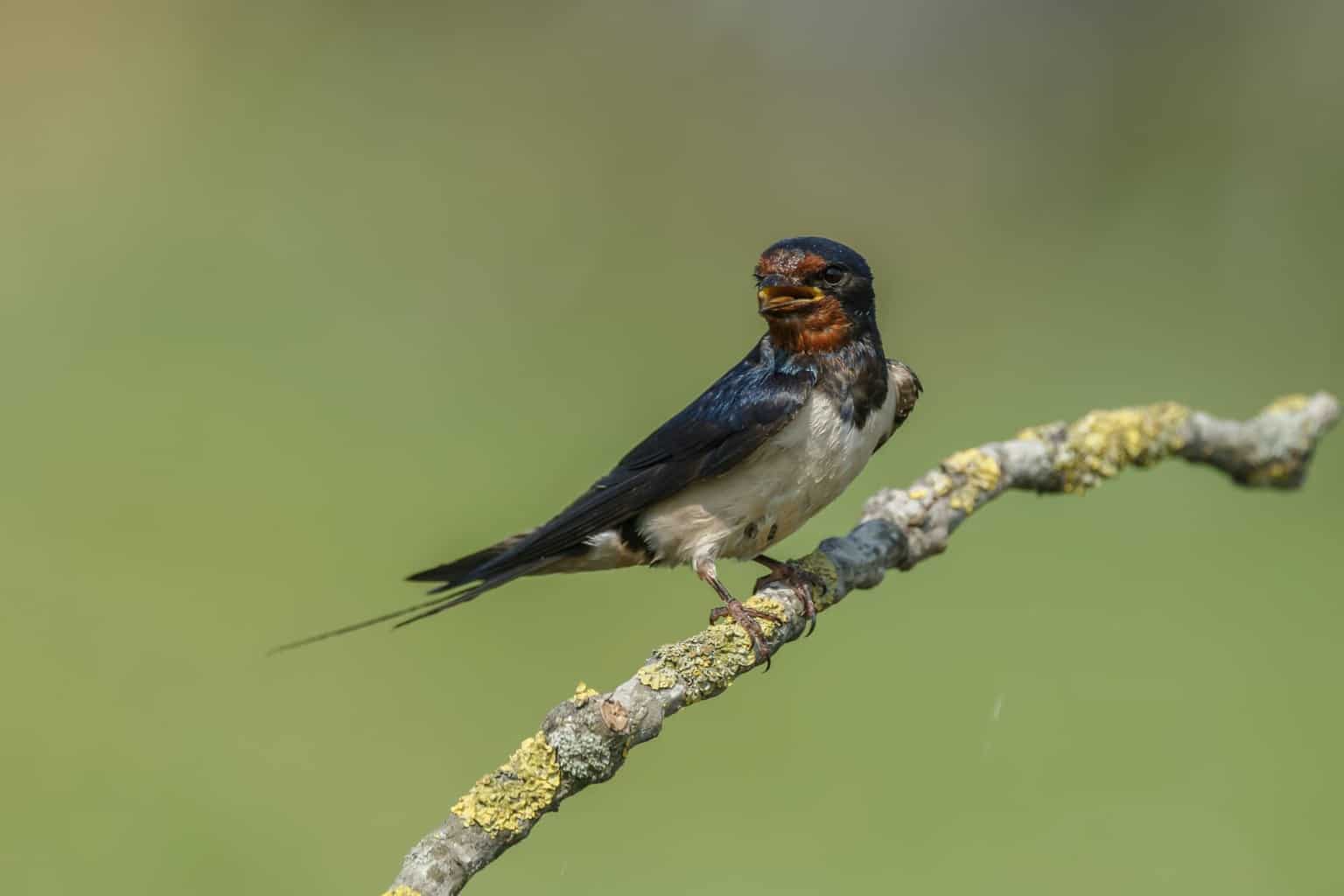
Barn Swallows with their deeply forked tails and rusty-colored throats are master architects, building cup-shaped mud nests on structures. Install wooden nesting shelves under the eaves of garages, barns, or porches to give these aerial acrobats a helping hand. Keep a small area of your yard with mud accessible during spring for nest-building materials. These birds return to successful nest sites with remarkable precision, often arriving within days of their previous year’s return date.
8. Rose-breasted Grosbeak

The stunning male Rose-breasted Grosbeak, with its black-and-white plumage and rosy triangle on its breast, is a sought-after visitor that will return annually if conditions are right. Fill platform feeders with black oil sunflower seeds, their absolute favorite. Plant native fruit-bearing shrubs and trees like dogwoods, serviceberries, and wild cherries. These birds also appreciate mature deciduous trees for nesting, so maintaining some larger trees in your landscape will help attract these melodious singers back each spring.
9. Northern Cardinal

While cardinals don’t migrate, these beloved red beauties establish territories they maintain year-round if the habitat remains suitable. Create dense shrub thickets with evergreens and thorny bushes where they can nest safely and escape predators. Keep feeders stocked with black oil sunflower seeds, safflower seeds, and cracked corn throughout the year. Cardinals particularly appreciate heated birdbaths during winter months when water sources freeze, which will keep them loyal to your yard through all seasons. a true sound of spring, and these birds will return to established territories year after year. If you have a wet area or pond on your property, consider planting cattails—their preferred nesting habitat. For those without wetlands, platform feeders with cracked corn, millet, and sunflower seeds will attract these striking birds with their red epaulets. They’re particularly fond of feeding on the ground, so scattered seed under shrubs will keep them coming back.
📷 Show us your feeder setup! Share a few photos of your feeders and you might be featured on Wild Bird Scoop. Share your setup →





